


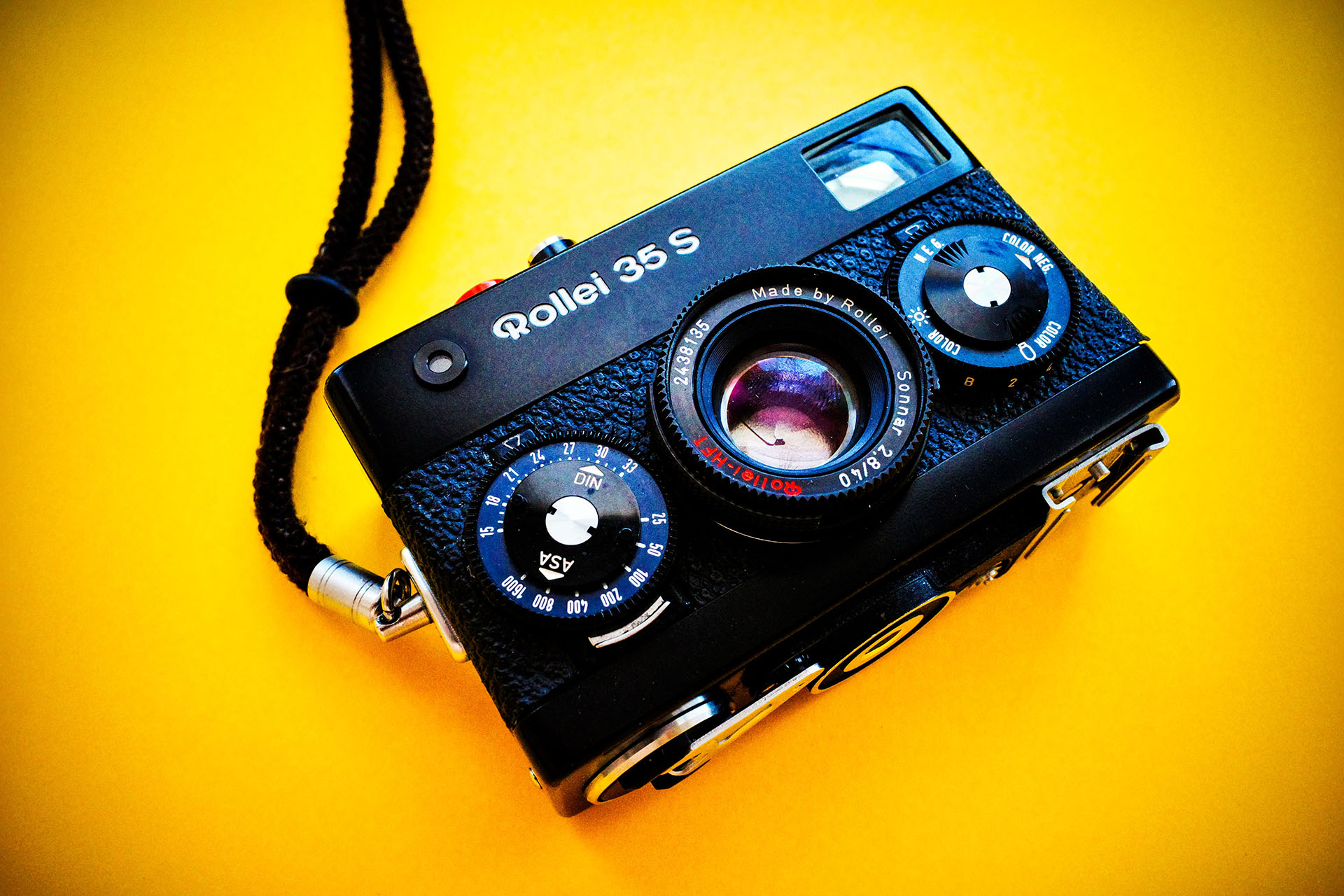
The Rollei 35S is a teeny tiny zone focus 35mm film camera that has a collapsible, fixed 40mm f2.8 ‘Sonar’ lens – produced under license from none other than Zeiss. Designed by Heinz (not the sauce people) Waaske in Germany, the Rollei 35 was originally manufactured in Germany, before production moved to Singapore. The camera has a very striking and unusual look, as most of the exposure controls are placed on the front of the camera rather than the top. This gives a rather surprisingly pleasing visual aesthetic, and I’ve found that it often attracts compliments when I have it out and about.

Feature Spec
The Rollei 35s is pretty much all metal and glass, which gives it a surprisingly reassuring weight for its size. As it turns out, it’s also not as fragile as one might expect. I found this out when I managed to drop mine – hard – onto concrete… and it didn’t seem to have a scratch. I know that I might just have been lucky, but a quick search reveals that dropping the tiny camera is fairly common for whatever reason – and they tend to fare better than expected. I wouldn’t recommend chucking them about though. Anyway, here are some of the key features:
- Zone focus: There is no rangefinder in the Rollei 35. Instead, you focus by guesstimating the distance to your subject.
- Shutter speed range: 1/2 second to 1/500.
- Film sensitivity: ISO25-1600.
- Battery: Designed to take a 1.35v MR-9 battery, which is no longer mass produced. An adaptor to allow the use of PR44/SR44/LR44 size batteries can easily be found on eBay, though the PR44 battery is preferred.
- Filter thread size: 30.5mm.

Different Models
There are a bunch of different models within the Rollei 35 family. The two most notable differences lie in the kind of lens, and the metering system. To that end, the original Rollei 35 (and Rollei 35T) had a 40mm f3.5 Tessar lens, whereas the Rollei 35S came along with its f2.8 Sonnar goodness. Metering wise, the Rollei 35SE and 35TE models display the exposure information in the viewfinder by way of some LEDs indicators, as opposed to the needle style, top meter of the earlier models. I have only ever personally used the 35S, so can’t comment too much on the others, though folks online do seem to prefer the needle metering system to the LEDs for whatever reason.
It is worth noting that the Rollei 35B, or the 35 LED are not really the same as the 35S/35T, and are generally considered to be inferior.

Quirks/Things to watch out for
- Hot shoe placement: In keeping with the unconventional, space-saving design choices, the hot-shoe is positioned on the bottom of the camera. This can be annoying if you intend to use a body-mounted flash… though that is probably unlikely.
- Left handed film advance: The film advance lever is on the left hand side of the camera, rather than the right. This initially seems weird, but isn’t actually as big an issue as you might expect.
- Lens retraction: The collapsible lens will only retract if the shutter is cocked. This will either really annoy you, or feel completely natural – depending on whether you are the kind of person that immediately advances the film after you take a shot, or if you advance right before a shot. I am firmly in the former camp, so I’m completely fine with this. The one additional caveat though is that due to this design, once you reach the end of a reel of film, you need to completely rewind it before you can collapse the lens – which can be a bit annoying.
- Battery/Meter: As usual with these older cameras, the meters either don’t work, or need batteries that are no longer produced. If you use a different battery, the voltage difference can mean that the read-out will be less accurate than it should be. Another interesting design point to note is that the battery compartment actually forms part of the spool holder mechanism. This is really clever, but it does mean that you can’t change the battery out mid-roll. Again, not really a huge issue since you can’t/shouldn’t be relying on this meter anyway.
- Strap: The Rollei’s wrist strap doesn’t have a rubber ‘stopper’ which many now do, which helps prevent accidental droppage. This is a bit of a pain, but after a bit of trial and error, I found that a Nitrile O-ring with a measurement of 6mmx3mm would fit. It was ever so slightly too tight, so you might want to try out a 7 or 8mm one instead.
- Filter thread size: 30.5mm isn’t the most common thread size in the world, so you can struggle to find more specialist filters.

My Experience
I love the way the Rollei 35 looks, and purely for that reason alone I’ve had one on my list of cameras to buy for a very long time. Naturally, I wanted the 35S with the faster glass since I live in a dark and gloomy place (Glasgow), and I held out until I found one with the f2.8 lens at a good price.

When it arrived, the first thing that struck me was just how tiny this thing is for a 35mm camera. It’s not much bigger than my LC-A, which is saying something. The second thing that struck me was just how clever the design is. It really is a class act. The attention to detail is amazing – from how the hand strap fixture rotates to help prevent it from getting tangled, down to how the soft case has a dedicated hole to let the strap pass through neatly. These kinds of little things are really satisfying, but when it comes to the core features of the camera itself, it does mean that it isn’t immediately apparent how everything works. For example, I was initially stumped on how to get the film back off, even after I had read the manual… and if I hadn’t read about having to cock the shutter before I could collapse the lens I would have been thoroughly confused. However… once you get a hang of these idiosyncrasies they make perfect sense, and you wonder why any other camera makers ever did anything differently.

There are a couple of things I’m not wild about mind you – one of them being the placement of the lens ‘unlock’ button. It sits right next to, and is larger than, the shutter release, which isn’t especially intuitive. The other thing I find odd is that the lens doesn’t ‘lock’ in place in the body when it is collapsed, though it does fit snugly enough that it isn’t at risk of sliding out. The focus ring itself is also pretty small and fiddly – and the openings are only at the top and bottom. Overall though, these are pretty minor quibbles, and the things that I suspected would really bother me initially haven’t at all actually in practice. For example, I was sure that the left handed film advance lever would do my nut in, but it actually feels pretty natural. I also found ways around the other niggles, like getting a screw-in soft shutter release button to set it apart from the unlock button, and increasing the surface area of the focus ring with a UV filter to make it easier to turn. With that done, it was grand.
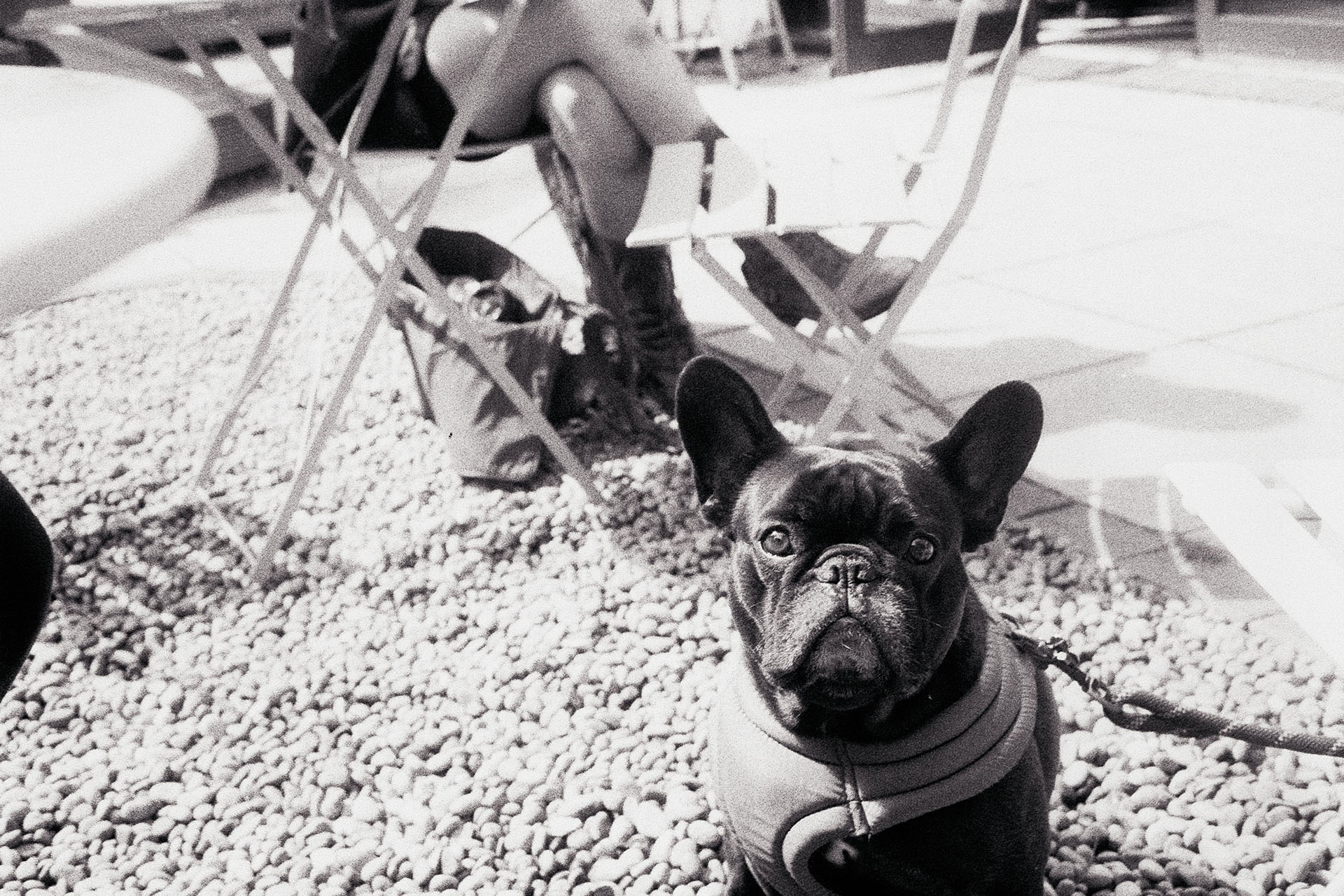
The precision engineering behind the camera is amazing, though it does also assume that the user will take a similarly careful approach to its operation. It turns out that if you don’t pay close attention to the number of frames you have left, and over-wind the film at the end, it will break inside the body, leaving you unable to rewind it back into the canister. Examples of this happening with Rollei 35s are to be found all over the web, with many varying explanations… and I fell victim to the problem with my first roll. However, once I realised that I needed to be more careful, and immediately stop advancing the film at the slightest bit of resistance, everything worked perfectly.
I really like the Rollei 35S. Would I prefer to have a rangefinder? Of course. Is that asking too much of a tiny, 50 year old camera like this? Of course it is. The bottom line though is that I love using it, and since it is so easy to carry about, I find myself shooting far more 35mm than I would otherwise as a result. That alone speaks volumes, and is worth the price of entry.

Unfortunately, after a few months of decent usage, I woke up one morning to discover that the camera wasn’t really working as expected any more – with the lens barrel not locking into place properly, and the shutter acting up. I wasn’t sure if it was something to do with my drunken antics the previous evening, or if it just badly needed a CLA, but it definitely wasn’t right. After a trip to repair wizards Cameratiks, it came back to me good as new. They had even managed to fix the light meter, which my online research had suggested would be impossible. Result!
To sum up… I’ve been using the Rollei 35s pretty much constantly since I got it. I love the design, and the size, and it has become my default travel film camera. That should demonstrate how great it is.
Cost and availability
The Rollei 35S is a classic, and is fairly readily available on the second hand market – though not quite as readily as some of the other models in the series. The cost is currently floating at about the £200 mark for one in good condition if you are buying in the UK/EU – though you can find the occasional bargain if you keep an eye out. I got mine for substantially cheaper from a seller in Germany by taking a punt on a vaguely worded eBay listing, which worked out well – though caveat emptor, YMMV etc. Those with the Tessar lens do tend to go a bit cheaper than the faster Sonnars. However, lots of people feel like shooting at f2.8 with zone focus is too difficult anyway, and so it isn’t really worth stumping up the extra cash. I personally haven’t really had that much of an issue, and am glad I got a good deal on the 2.8.
Sample Photos









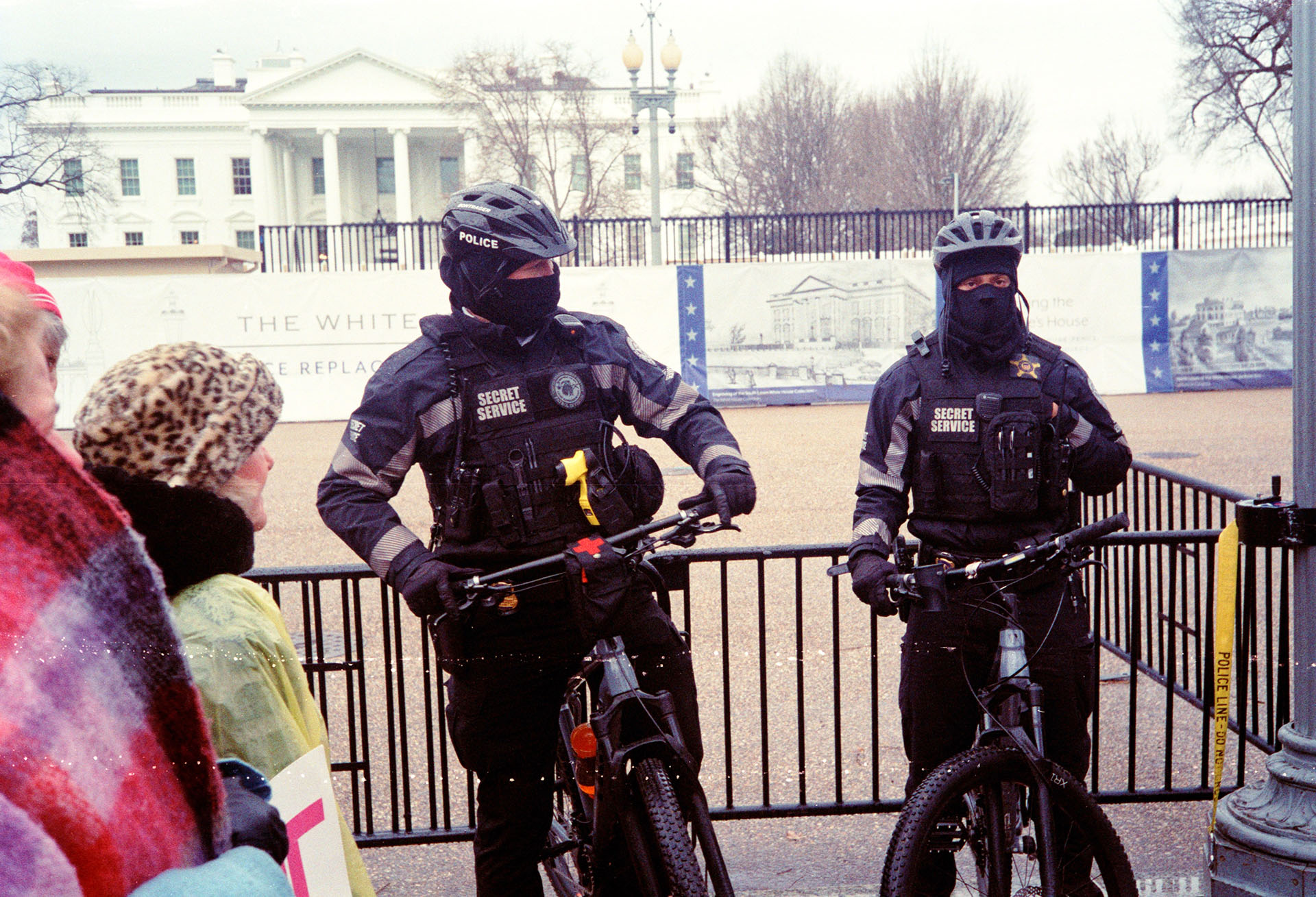
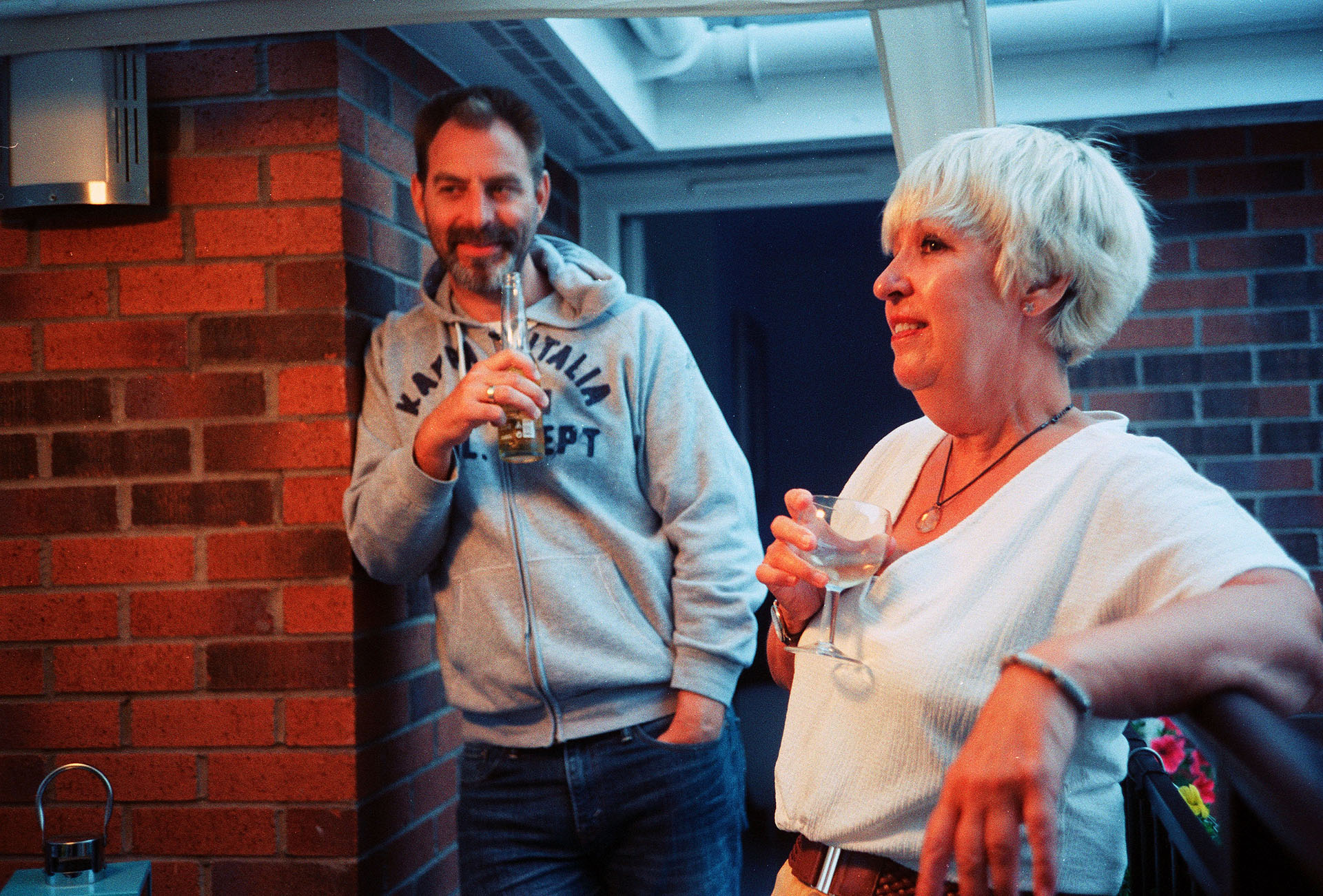


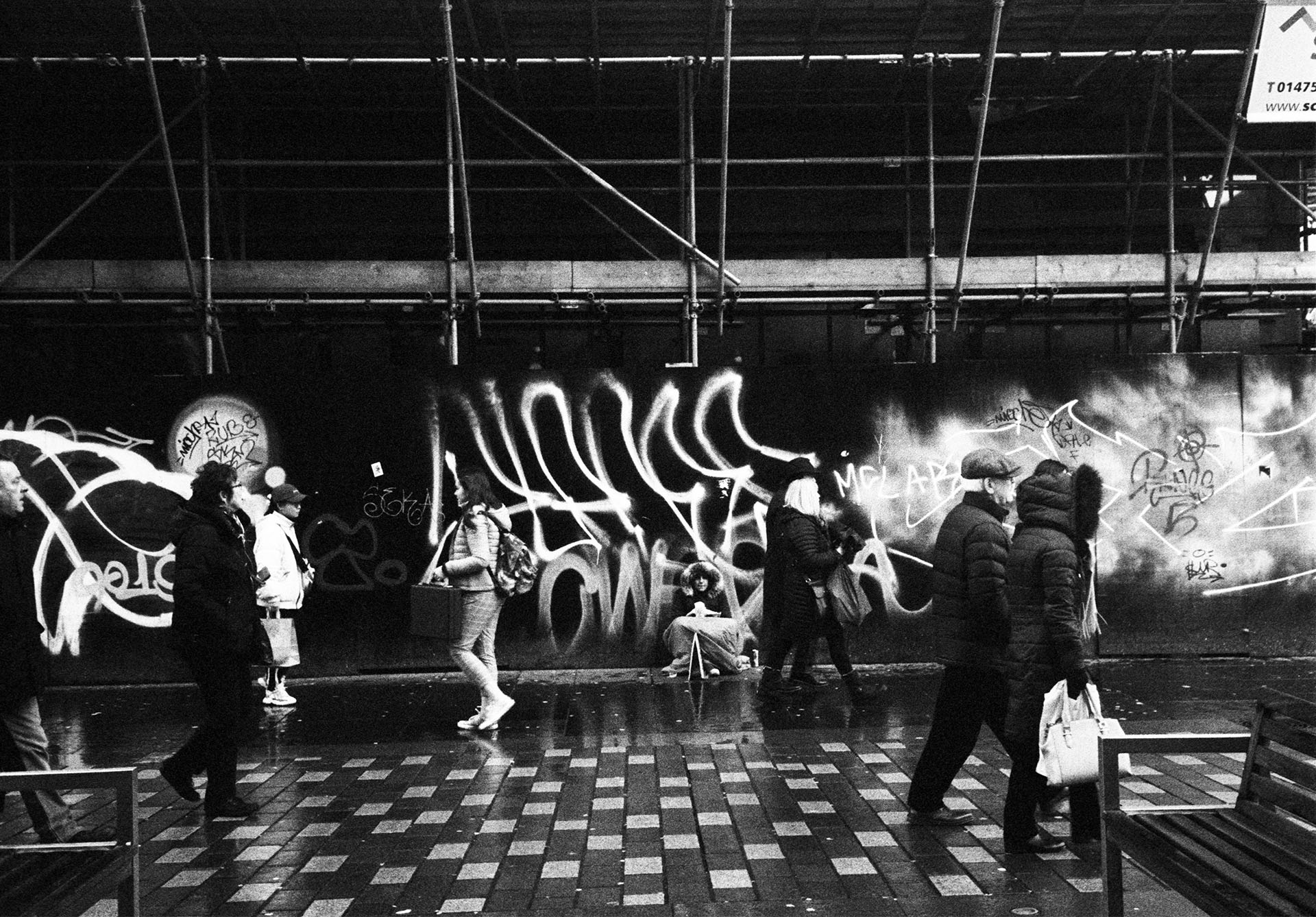













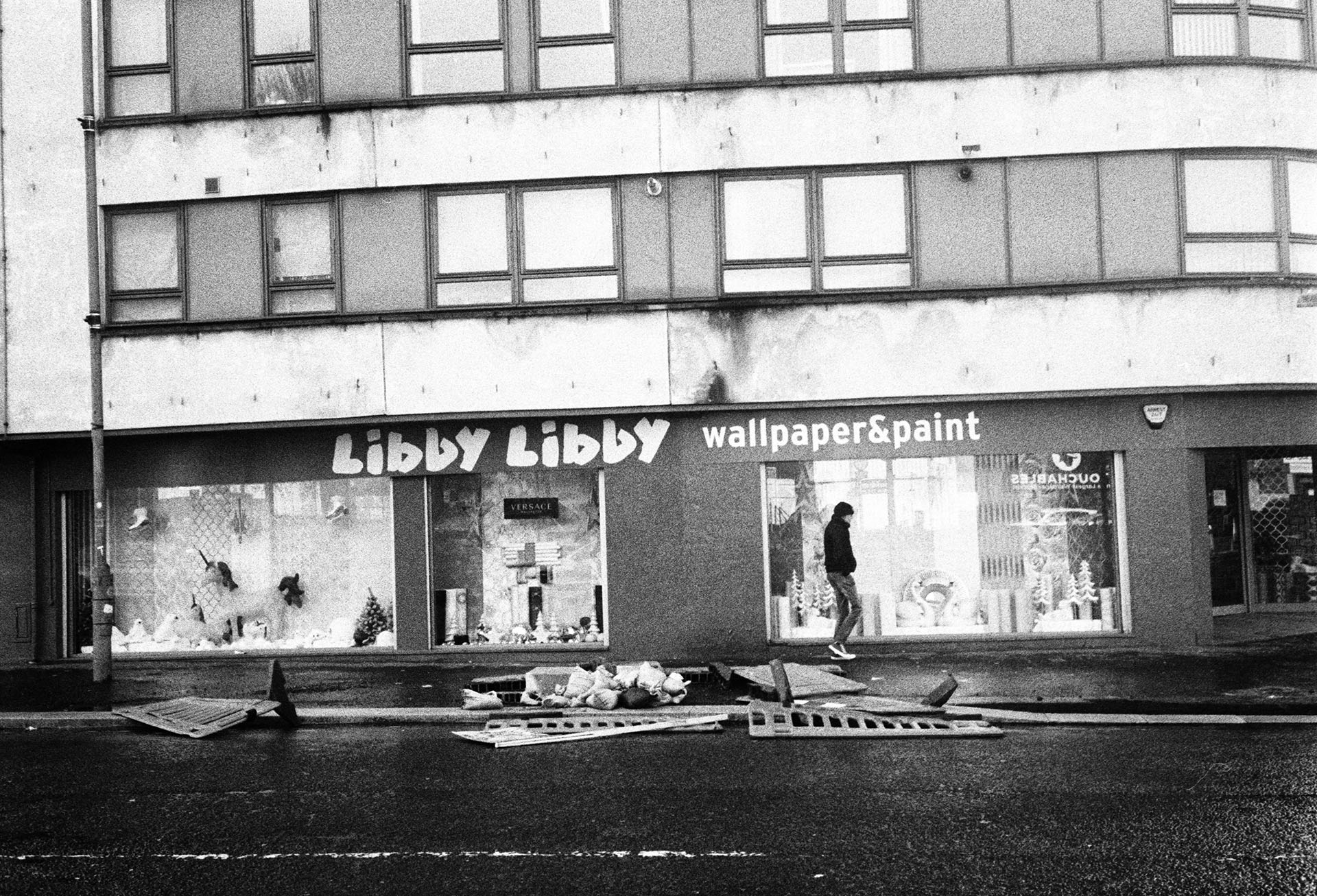




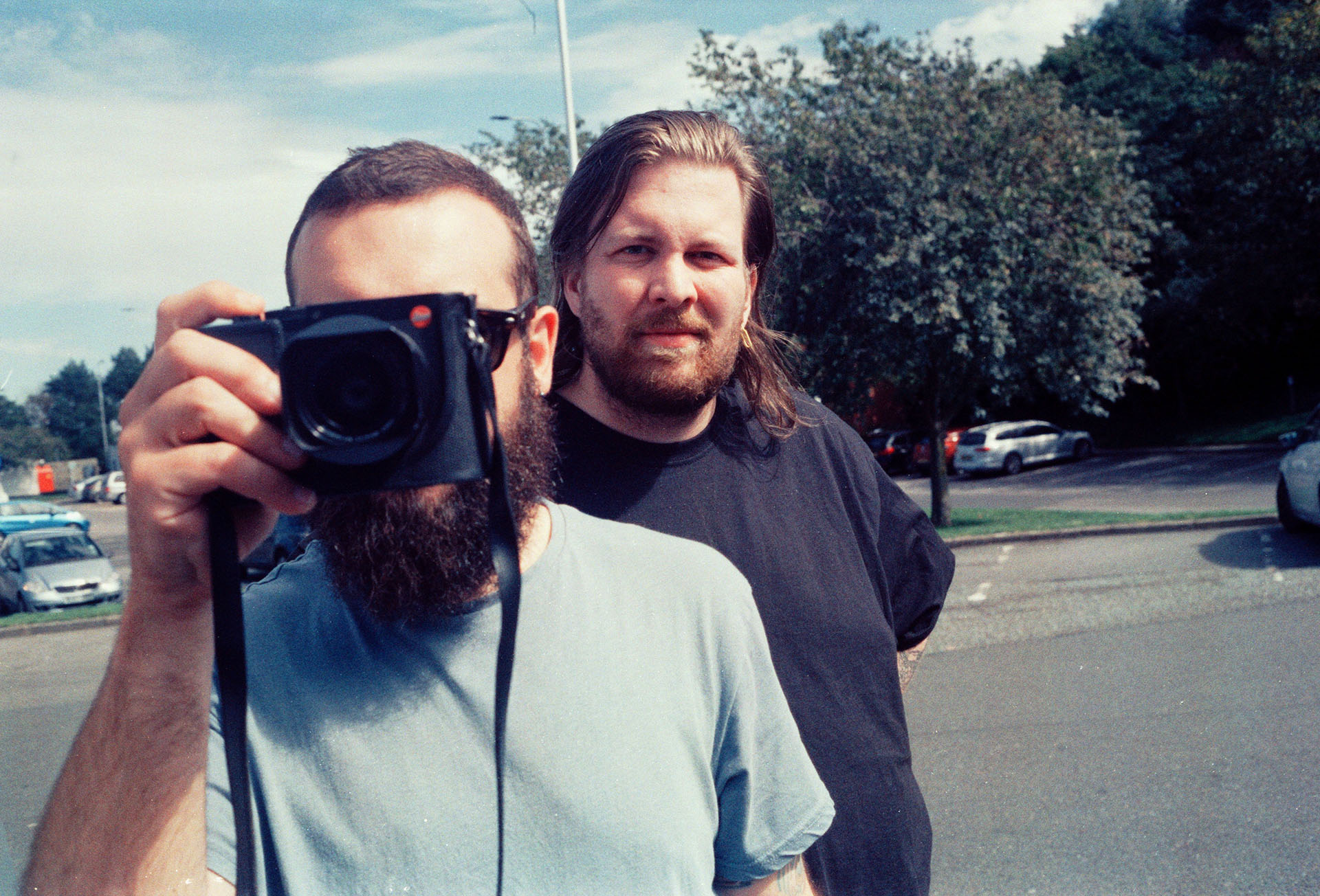






—
Disclaimer: As usual, this article isn’t intended to be a comprehensive, pixel-peeping review. Rather, it’s highly subjective, and reflects my research and experience as someone who has shot with a lot of different cameras and lenses over the years. No aperture comparison charts here.