



In the past, Canon produced a bunch of extremely good rangefinder lenses, including the superb 50mm f1.2, and the infamous ‘dream lens’, the 50mm f0.95. The 35mm f2 is another one of these. Launched in the early 60s, it was the last 35mm RF coupled lens they made, and is often considered to be one of the best.
I picked up one of these in Japan to go along with my Canon 7, as my screw mount lens collection mostly included 50mms. I do have a couple of great Jupiter 12 35mm lenses, but their unusually long rear elements can cause problems with the Canon’s light baffles/shutter, and I wanted something a bit faster than f2.8 anyway. As it turns out, I got one of the Canon f2 lenses in much nicer condition and for a much better price than the Canon f1.8 lenses available… and there’s something especially pleasing about a round number like f2, isn’t there? I wouldn’t say no to one of the elusive 35mm f1.5 beasties of course, but they go for silly money, and don’t necessarily get as good a reputation as the 35mm f2.

Specs and Build
- Aperture: f2-f22.
- Minimum focus distance: 1m.
- Filter thread size: 40mm.
- Seven elements in four groups.
- Nine aperture blades.
- Distance Markings: In both Metres and Feet.
- No infinity lock.
- No focussing tab.
In keeping with other Canon LTM lenses, the lens itself is small and ‘short’ – about the same size as the far more modern Voigtlander 35mm f1.4. Despite feeling much lighter than the 50mm Canon LTMs that I have used (unsurprisingly!), it still has a sturdy metal construction.

There were two versions of the 35mm f2 lens available, but the differences seem to be very small. Despite a bunch of anecdotal reports on the web, there doesn’t seem to be any good information on how these actually shake out in practice. From what I can gather though, I have the earlier model.
Size Comparisons
Here are a couple of shots showing the 35mm f2 side by side with the Canon 50mm f1.2 and 50mm f0.95, and then next to a Voigtlander Nokton 35mm f1.4 (with filter attached). First, the LTM lenses…


and the Nokton…


The 35mm f2 is substantially smaller than the other Canon LTM lenses I have used, and if you take the filter out of the equation, is just a shade smaller than the Nokton – though it is much lighter.
Performance
Bokeh
The out of focus areas render nicely enough with this lens, but it isn’t something that stood out as an obvious or particularly special feature. After shooting a fair number of rolls, I hadn’t stumbled upon any shots where the bokeh really grabbed me.
Flare
The lens will flare, but again, similar to the bokeh situation above… it wasn’t something that I noticed as a common or specific feature. It definitely isn’t ultra flarey like you might expect from other vintage lenses.

The real strength of this lens comes as a great all-rounder. It is sharp, compact, has a nice throw, and a decent aperture range. It’s one lens you can attach to a rangefinder and walk about with all day (and part of the night).
Things to watch out for
- Filter thread size: The lens has a rather unusual 40mm filter thread size (note, not the same as 40.5mm), which means it can be tough to find filters that will fit. You can use a step-up ring to accept larger filters, but getting ones in an appropriate size is almost equally as difficult. I’ve read in some older forum posts online that these are easier to find in Japan, but from experience that is not necessarily the case – at least not if you are hoping to come across one in a shop.
- Minimum Focus Distance: Many rangefinder lenses have fairly lengthy minimum focus distances, and this one is no exception – coming in at 1m. That isn’t ideal – especially with a wide focal length like 35mm – but it’s also the reality of using a rangefinder.
- Stiff throw: With any lens of this age, you can expect things like the focus action to need a little bit of TLC. The Canon LTM lenses in particular have been known to suffer from stiff throw if they haven’t been used in a long time. Mine isn’t bad at all, but it is nowhere as nice as the focus on other lenses I have from the same period.
My Experience
When it comes to 35mm rangefinder lenses, you often see the Canons compared to the Voigtlander f1.4. It is true that the latter is far nicer to use, and technically superior in almost every way to the Canon 35mm f2. However, the Voigtlander is also much newer, and so that shouldn’t really come as a shock. In any event, it’s a bit of a false comparison, as the Nokton isn’t compatible with screw mount bodies. For that, the king is the 35mm f2.

There are lots of things I like about this lens. I love how small it is, and how great it looks and feels when coupled with the Canon 7. There’s a real pleasure of use there, which is definitely important – otherwise we’d all be shooting modern gear. The filter thread size of 40mm is a bit of a pain mind you. It isn’t something I thought I would bother about, but it does mean that you can’t easily get UV protectors to prevent scratches and knocks. I’ve also been experimenting with tungsten balanced film, and trying to find an appropriate filter to enable me to shoot that in daylight has been extremely difficult. In the end I grabbed some step filters to use different sizes, but it was a bit of a mission.
Despite the imperfections and quirks, the Canon 35mm f2 is one of my favourite general use lenses.
Cost and Availability
Expect to pay between £200-400 for a good version of the 35mm f2. Most of these will be found in Japan – either in person, or on eBay. The price difference between the f2 and the f1.8 isn’t massive, so if you want something a tiny bit faster, you might want to keep an eye out to see what is available at the time. The f1.5 remains massively more expensive than both, and has become something of a collector’s item. Maybe one day I will give in and get one…

Sample Images





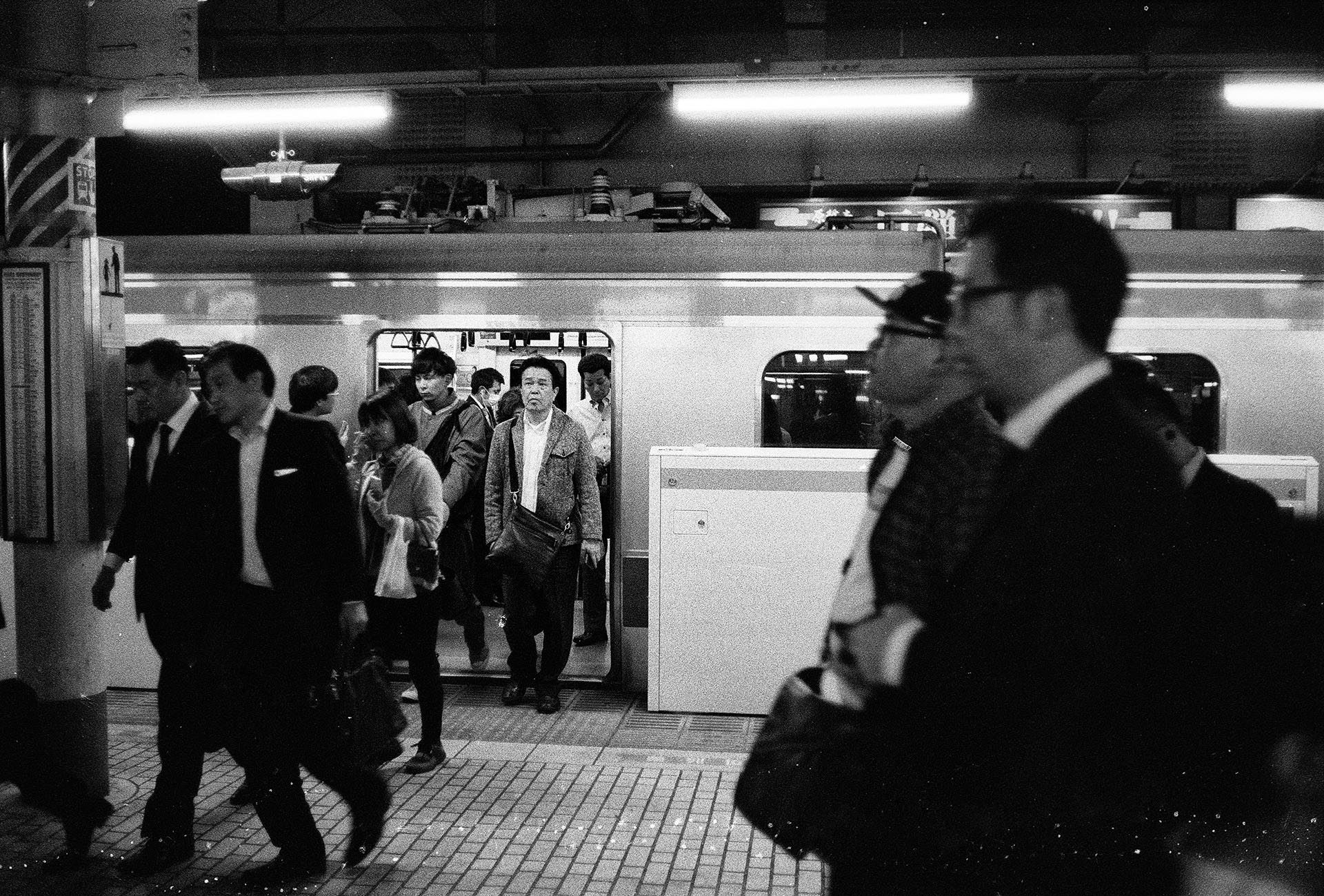



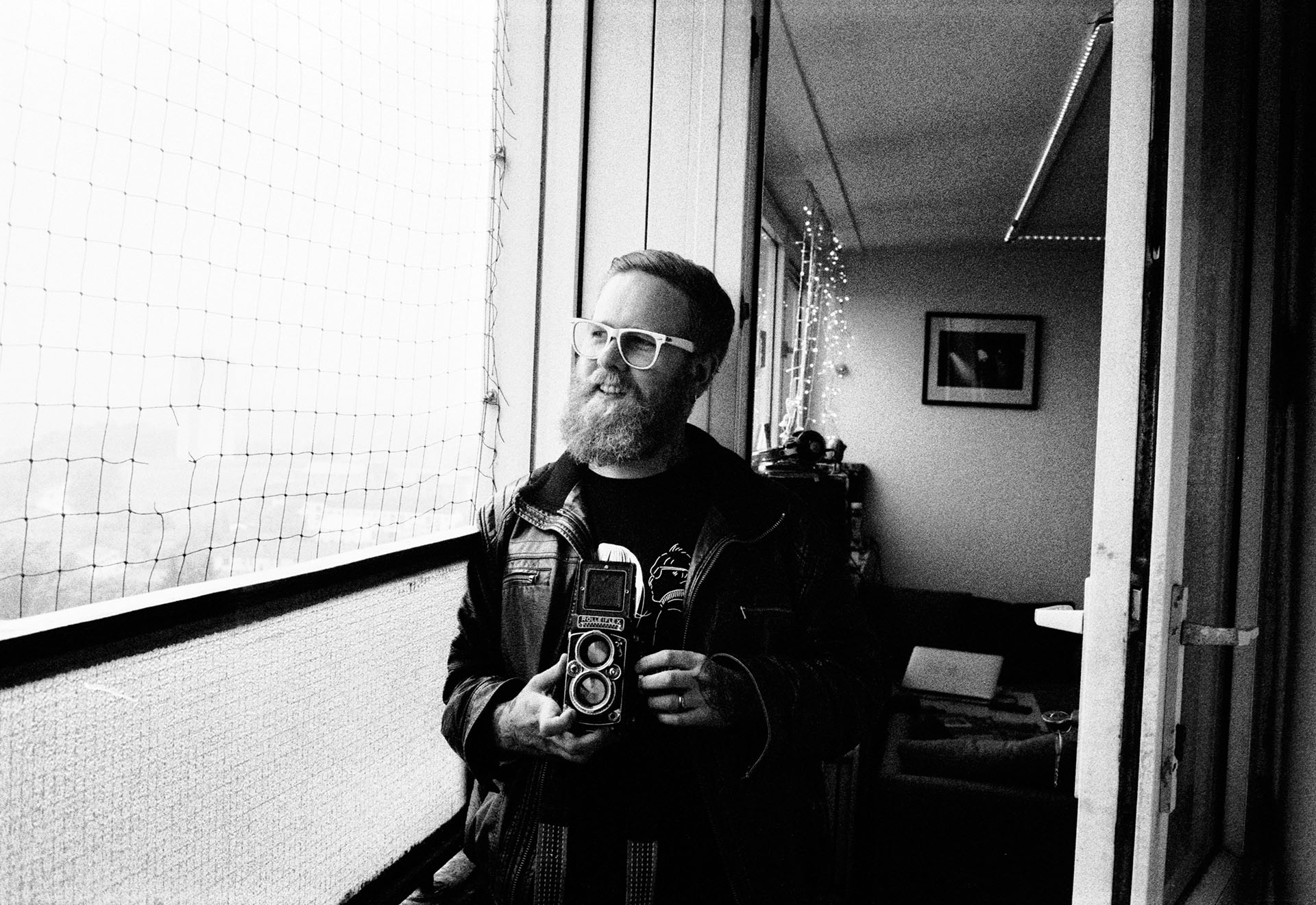

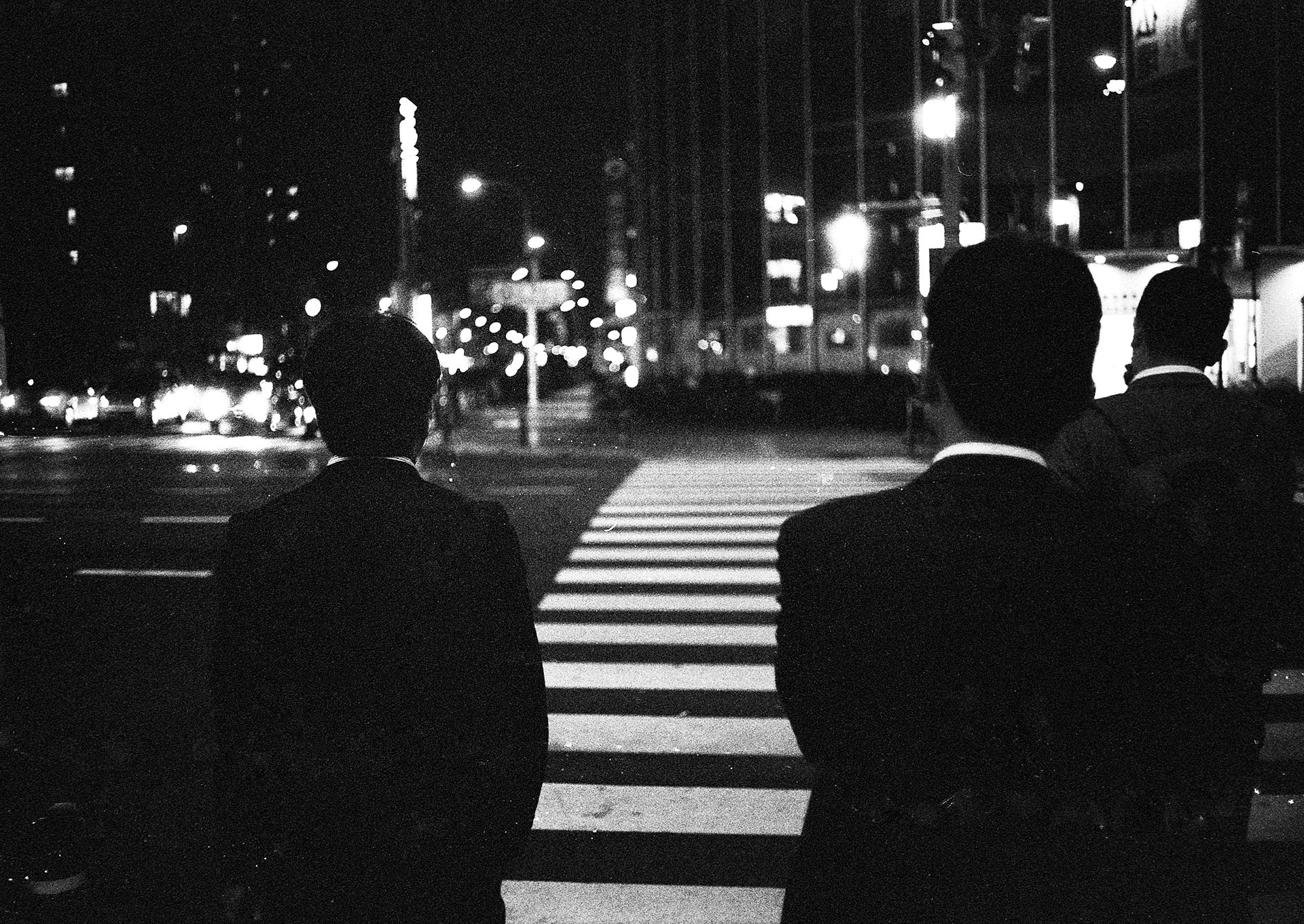


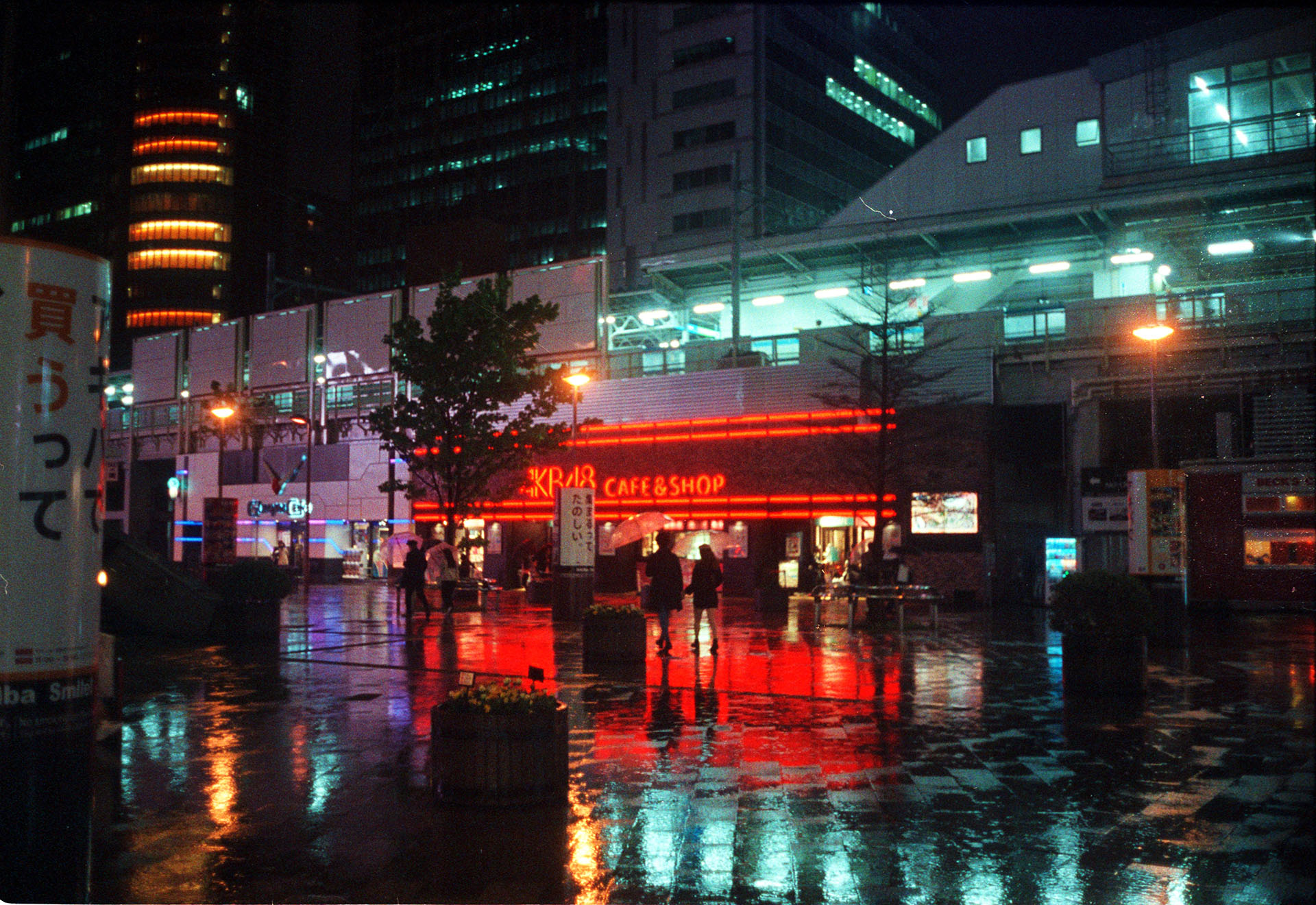

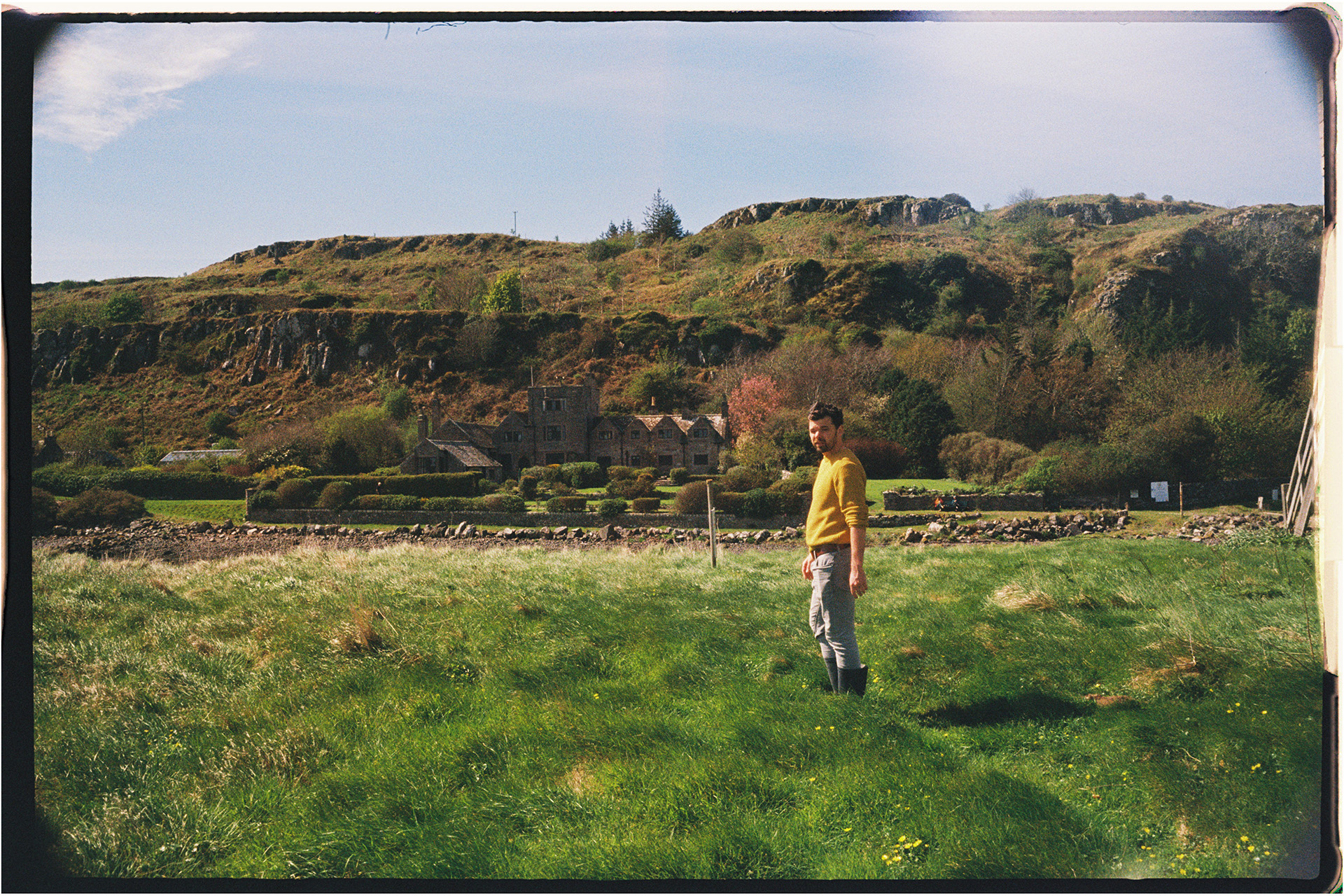






Disclaimer: As usual, this article isn’t intended to be a comprehensive, pixel-peeping review. Rather, it’s a highly subjective, real world review, reflecting my own research and experience as someone who has shot with a lot of different cameras and lenses over the years. No aperture comparison charts here. Any flaws in the images are almost certainly down to me rather than the lens.