Fuji Neopan 1600 (also known as ‘Super Presto’ in Japan) is one of the best 35mm films that was ever made. You might think otherwise, and everybody is entitled to an opinion. However, your opinion would be wrong.

NP1600 was only available in 35mm, and had a short development time by design. This matched Neopan 400, which meant you could develop the two films at the same time. If memory serves, it only took about five minutes to process, which was great.
Unfortunately Neopan 1600 was calluslously discontinued in 2009… and its relative Neopan 400 followed suit in 2013. Out of all the film losses we suffered in the 2000s, this was the one that I felt most keenly. With NP1600 gone, the only two high speed black and white films left were Delta 3200, and Kodak’s TMAX 3200 – neither of which (sadly) have the tonal quality of Neopan.
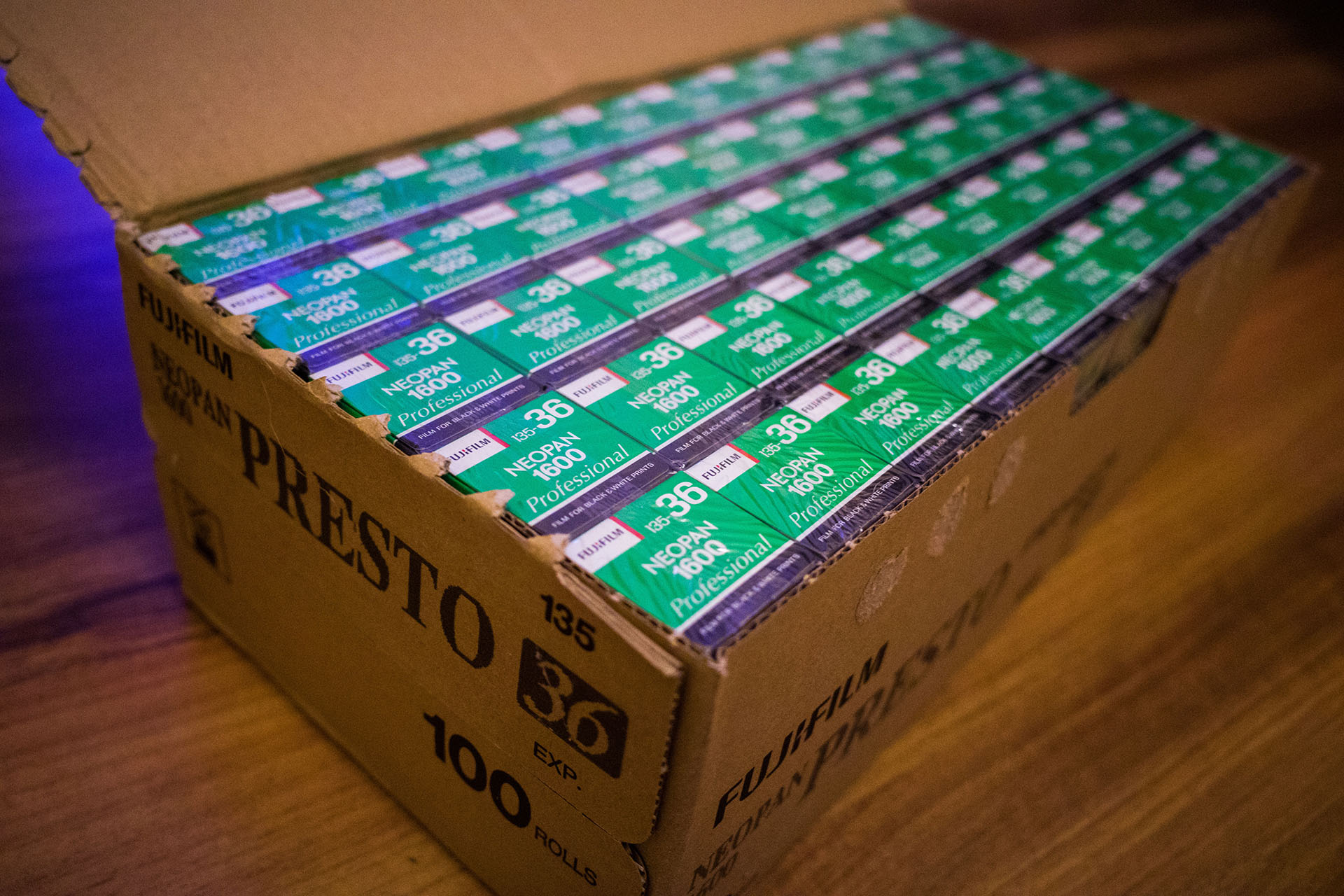
Neopan 1600 was (and still is) my favourite film. I shot it constantly for many years, and some of my favourite pictures of all time were taken with it. You could use NP1600 in all sorts of scenarios, and it was especially effective for the fast shutter speeds needed for street photography, and for dimly lit bars. Despite the film’s demise, I still have a bit of a stockpile… having picked up full boxes of the stuff, but as time has gone on the effective speed has decreased, and the grain increased. This is inevitable given that even the freshest rolls will now be 11 years old, but it does take away from the film’s character a bit.
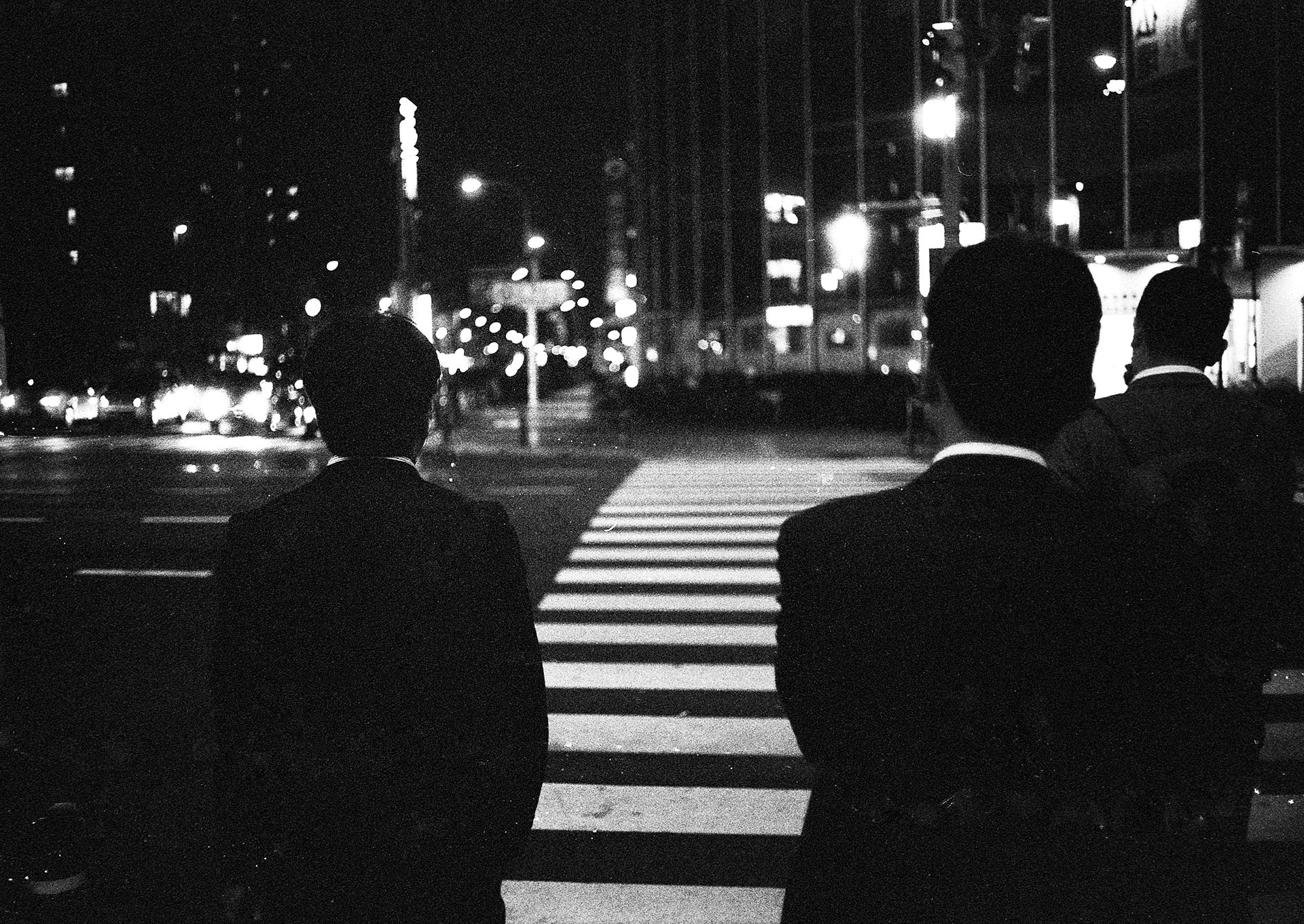
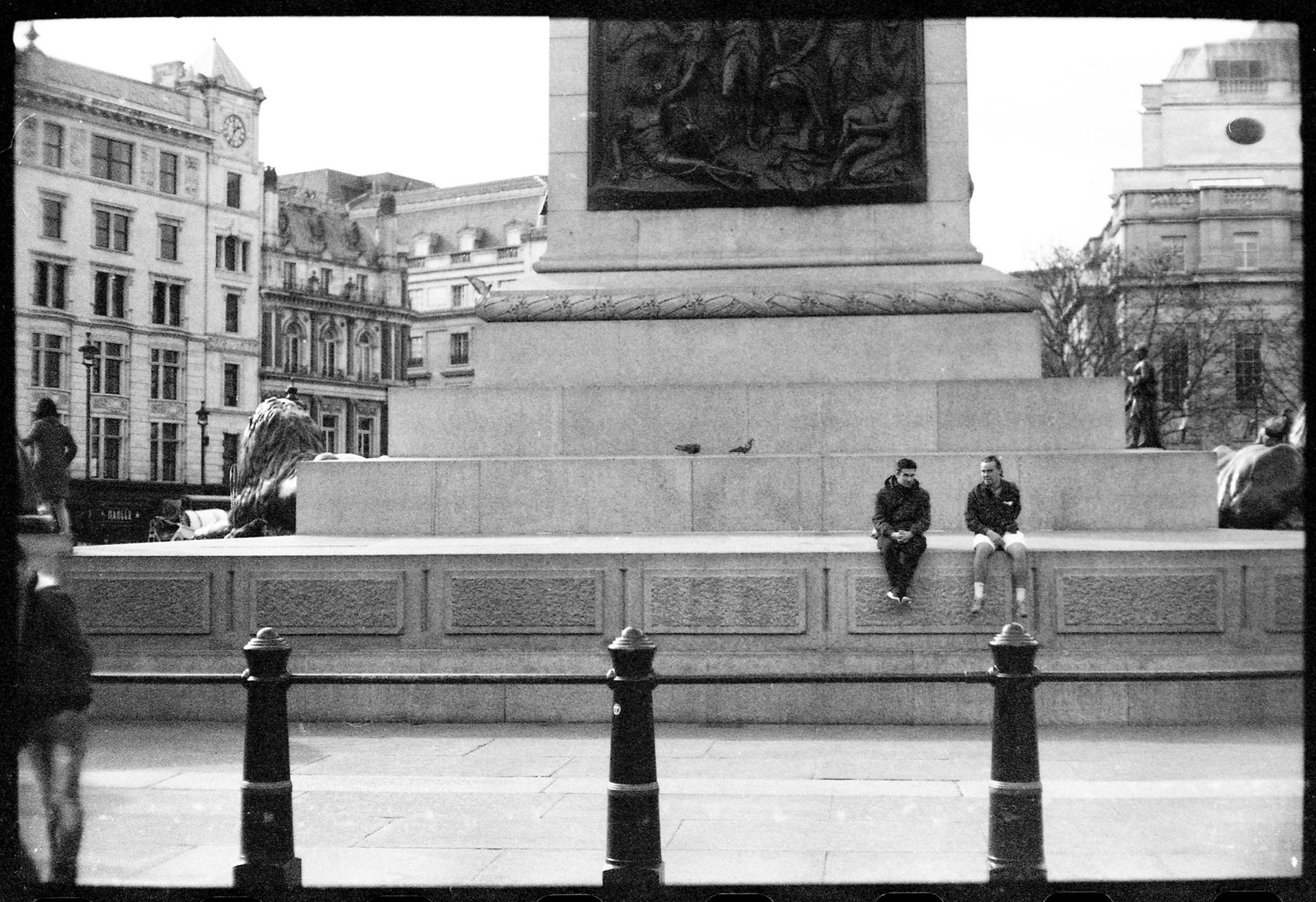
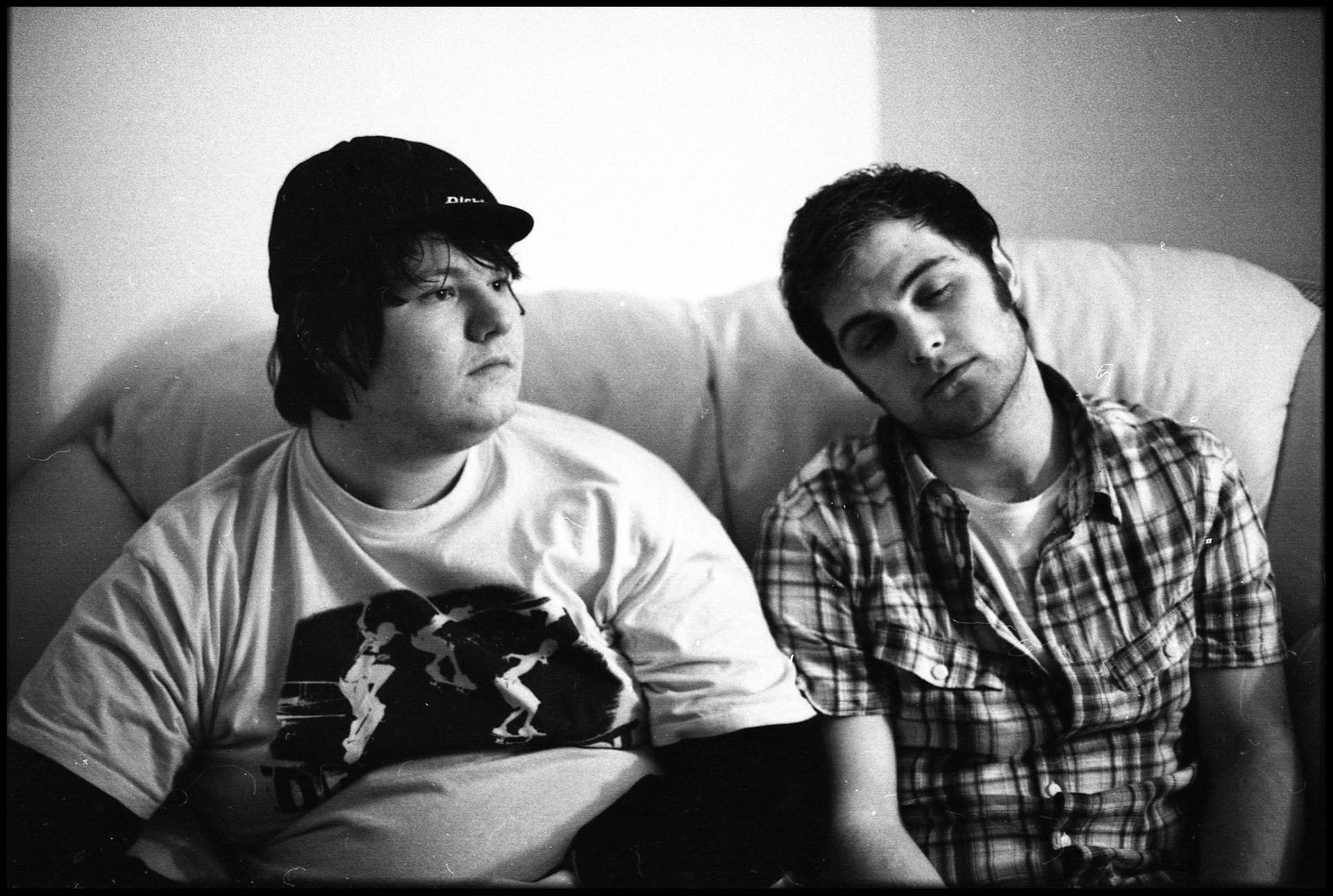
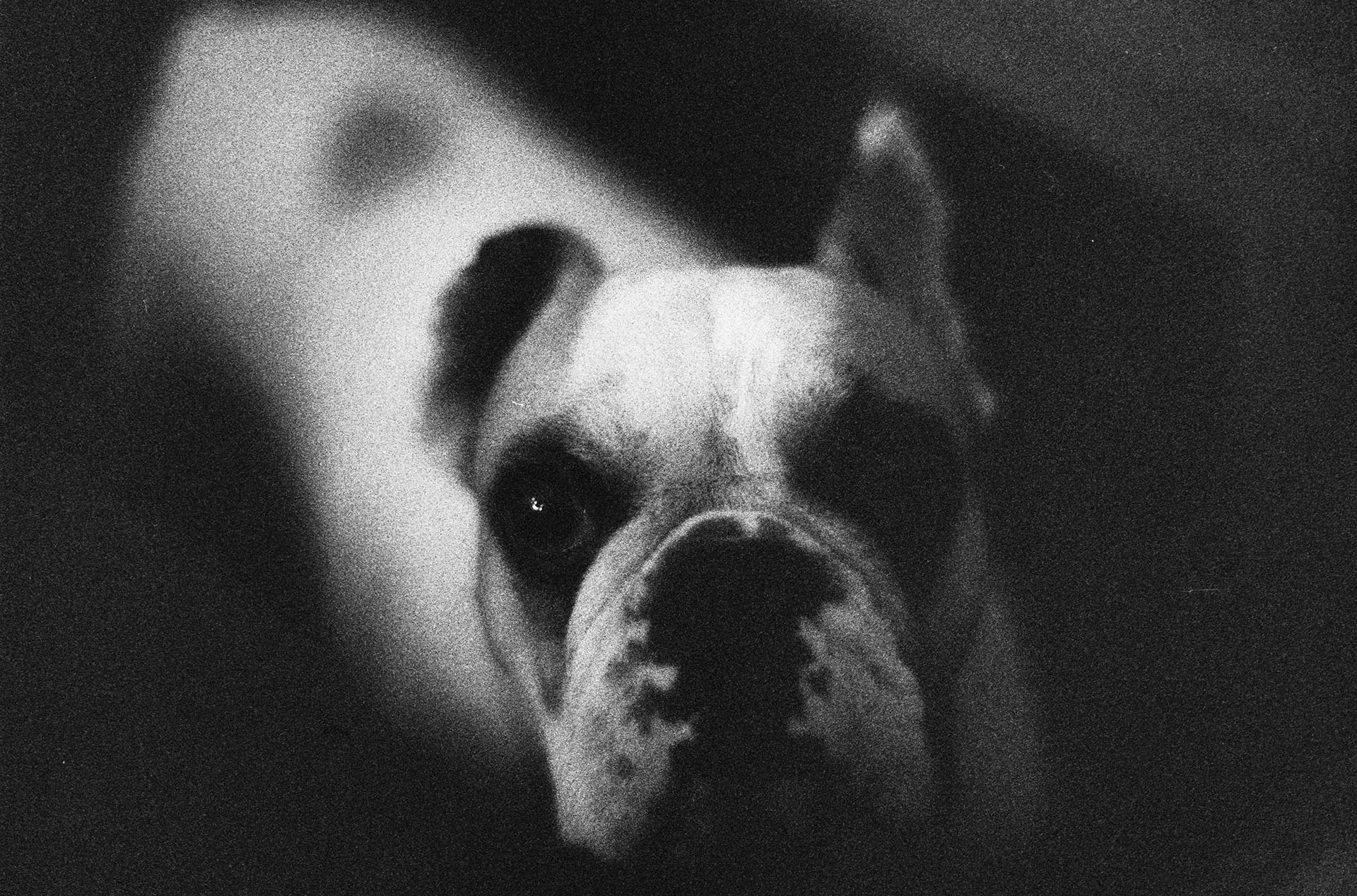
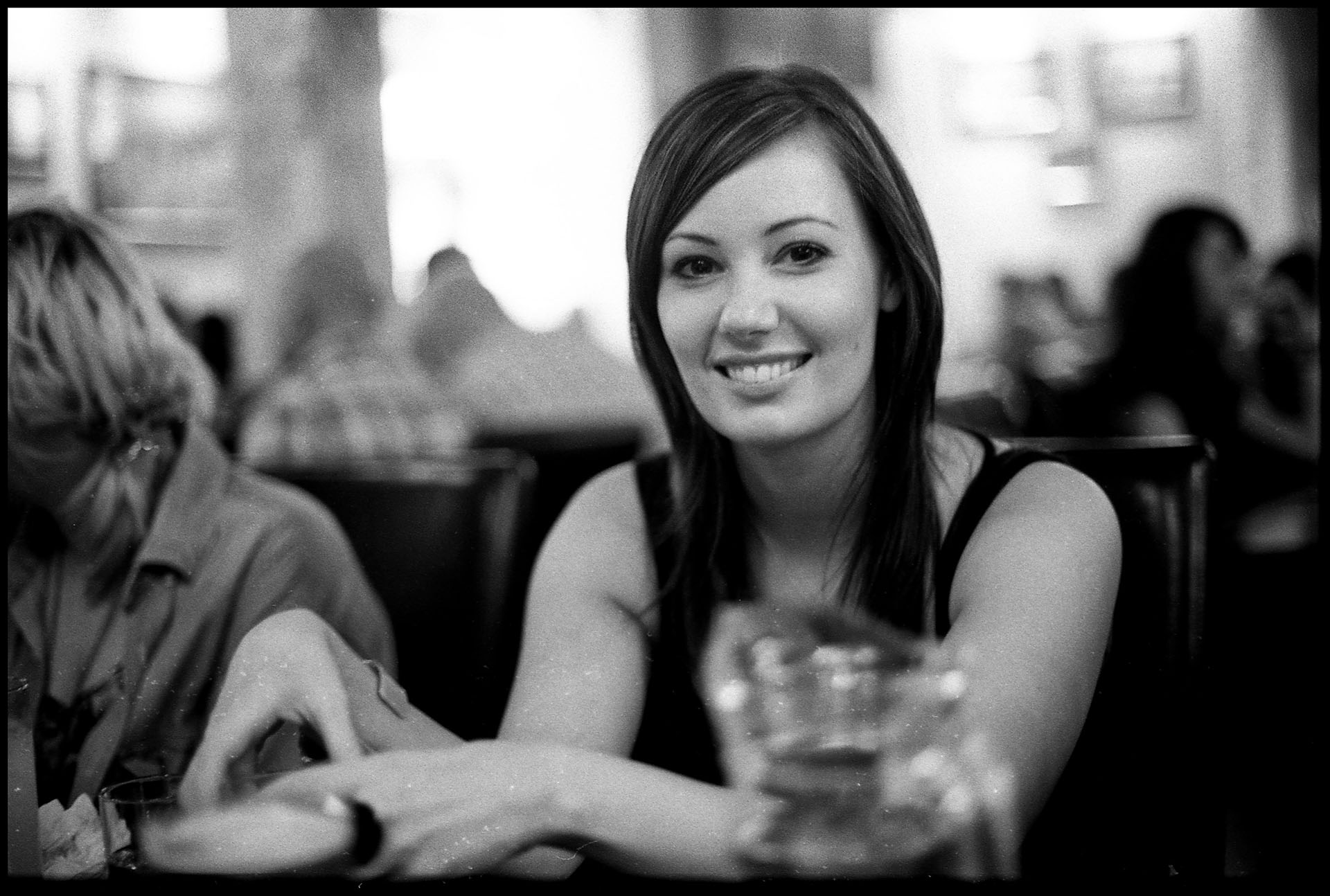
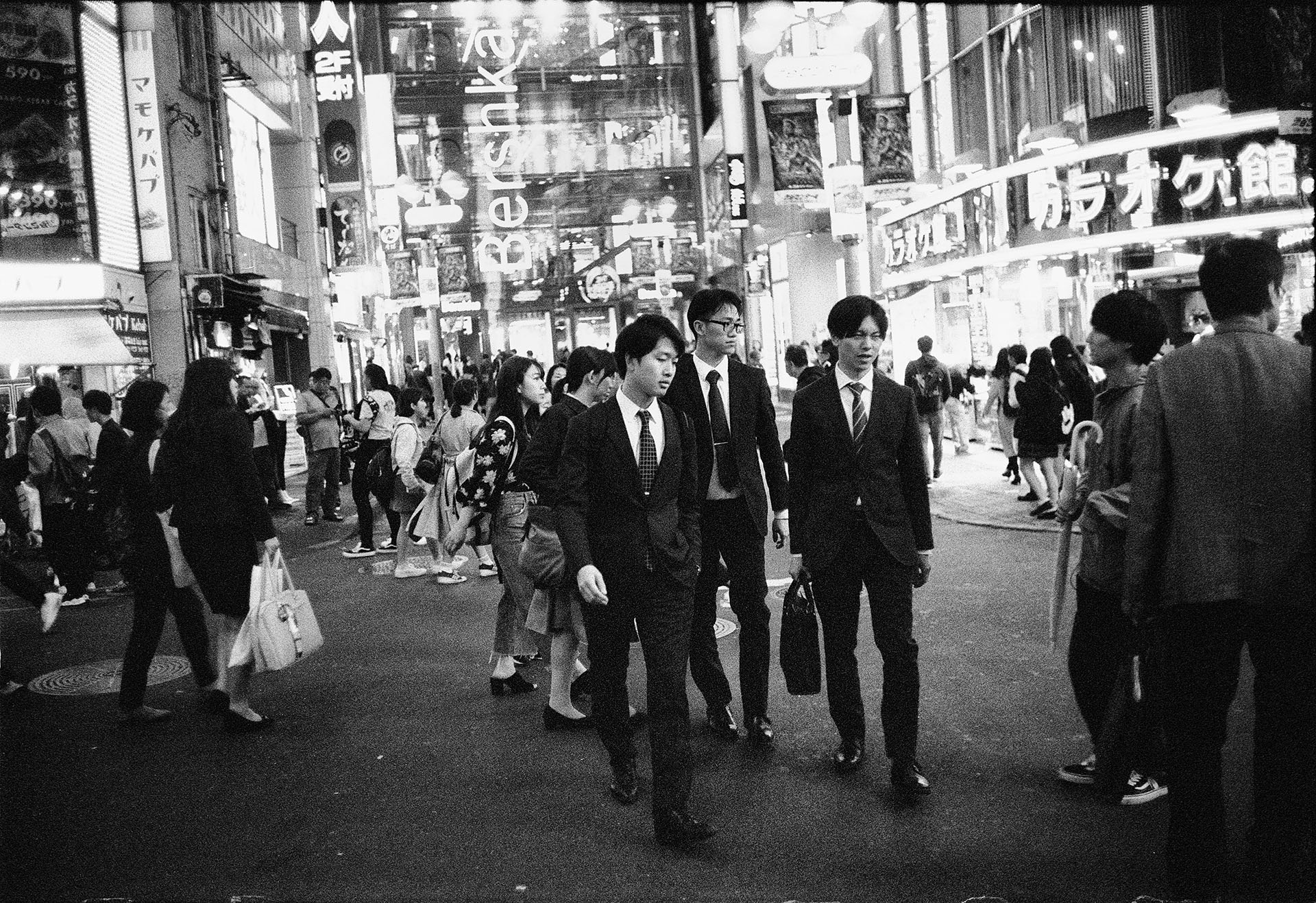
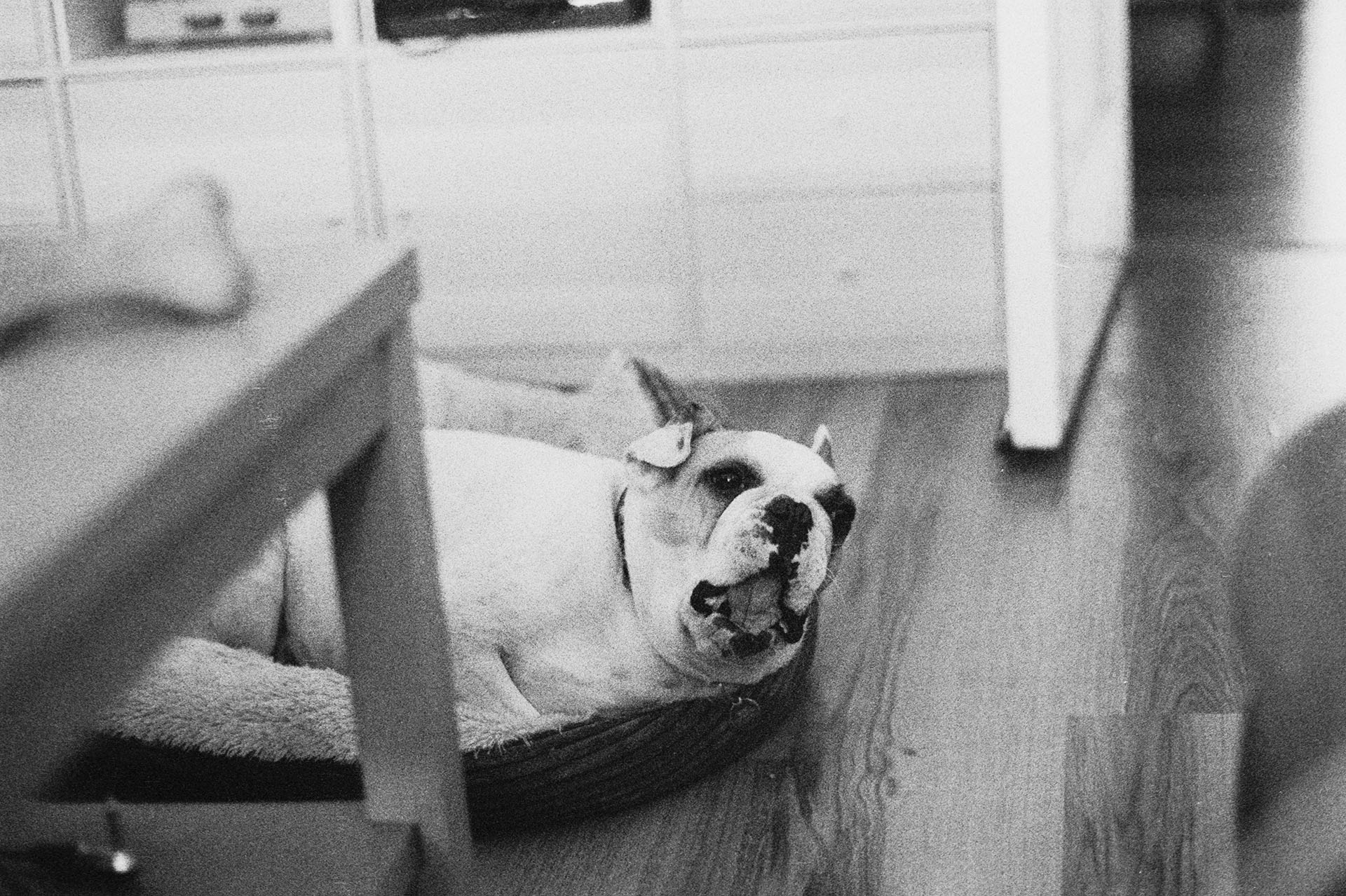
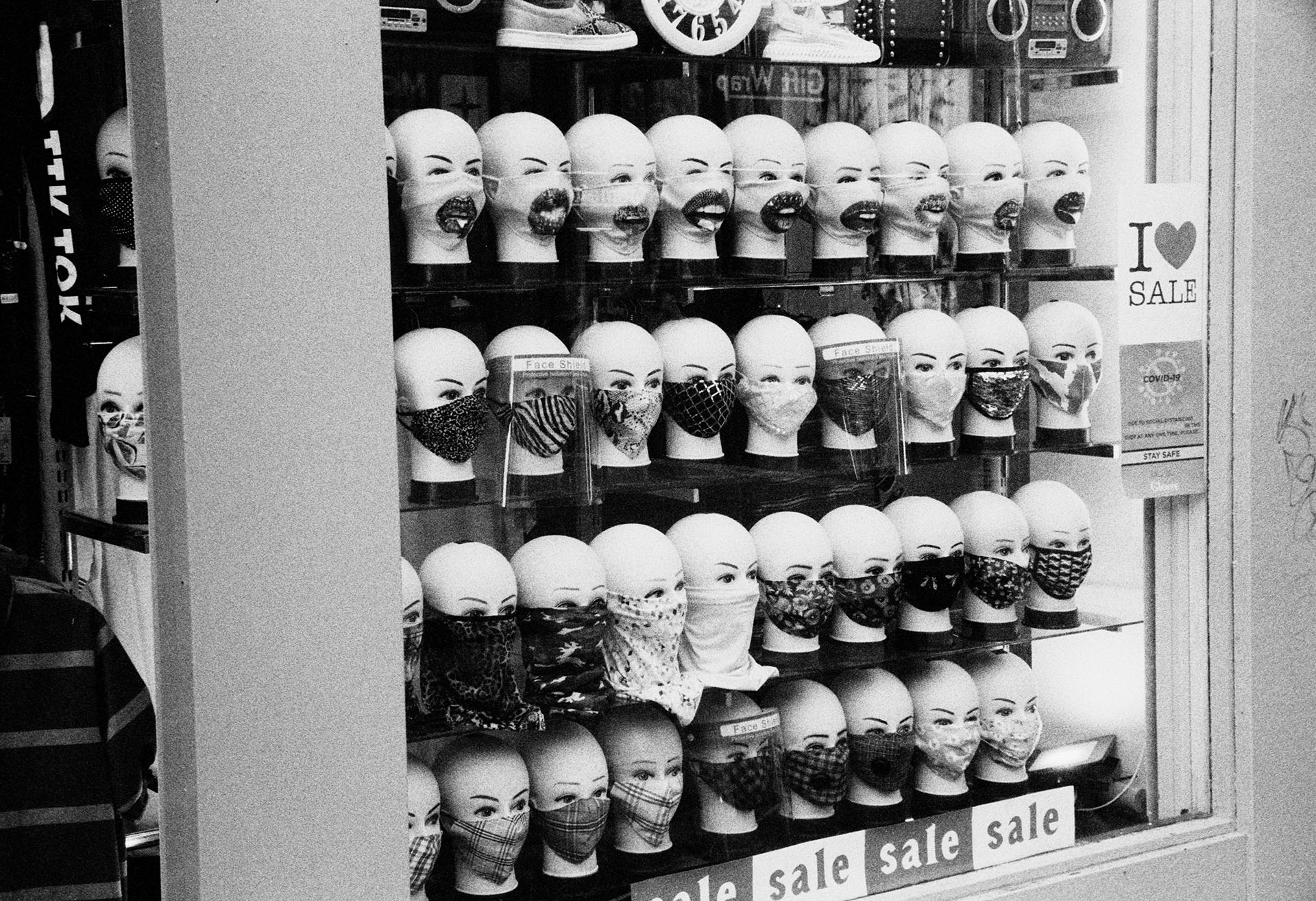
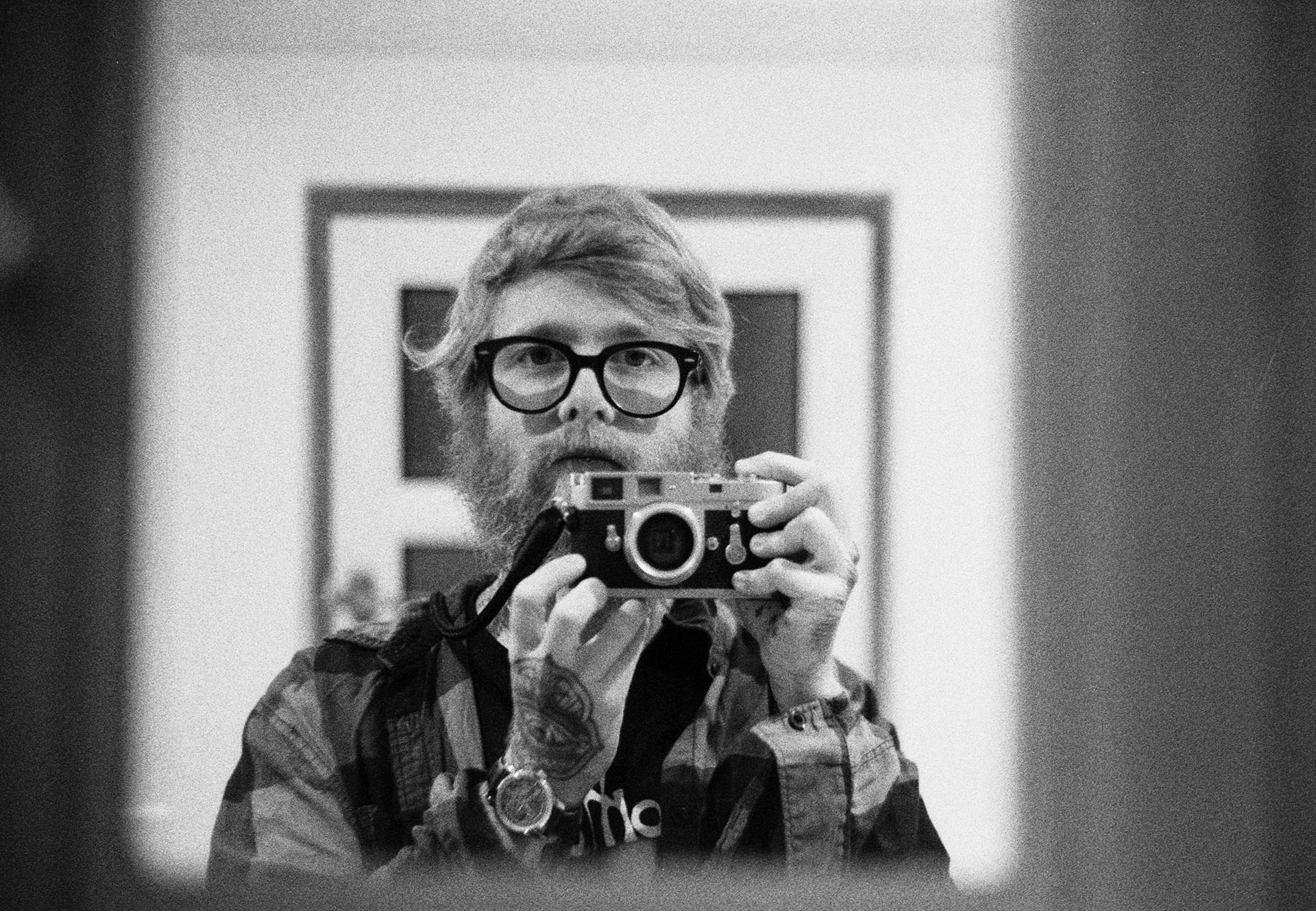
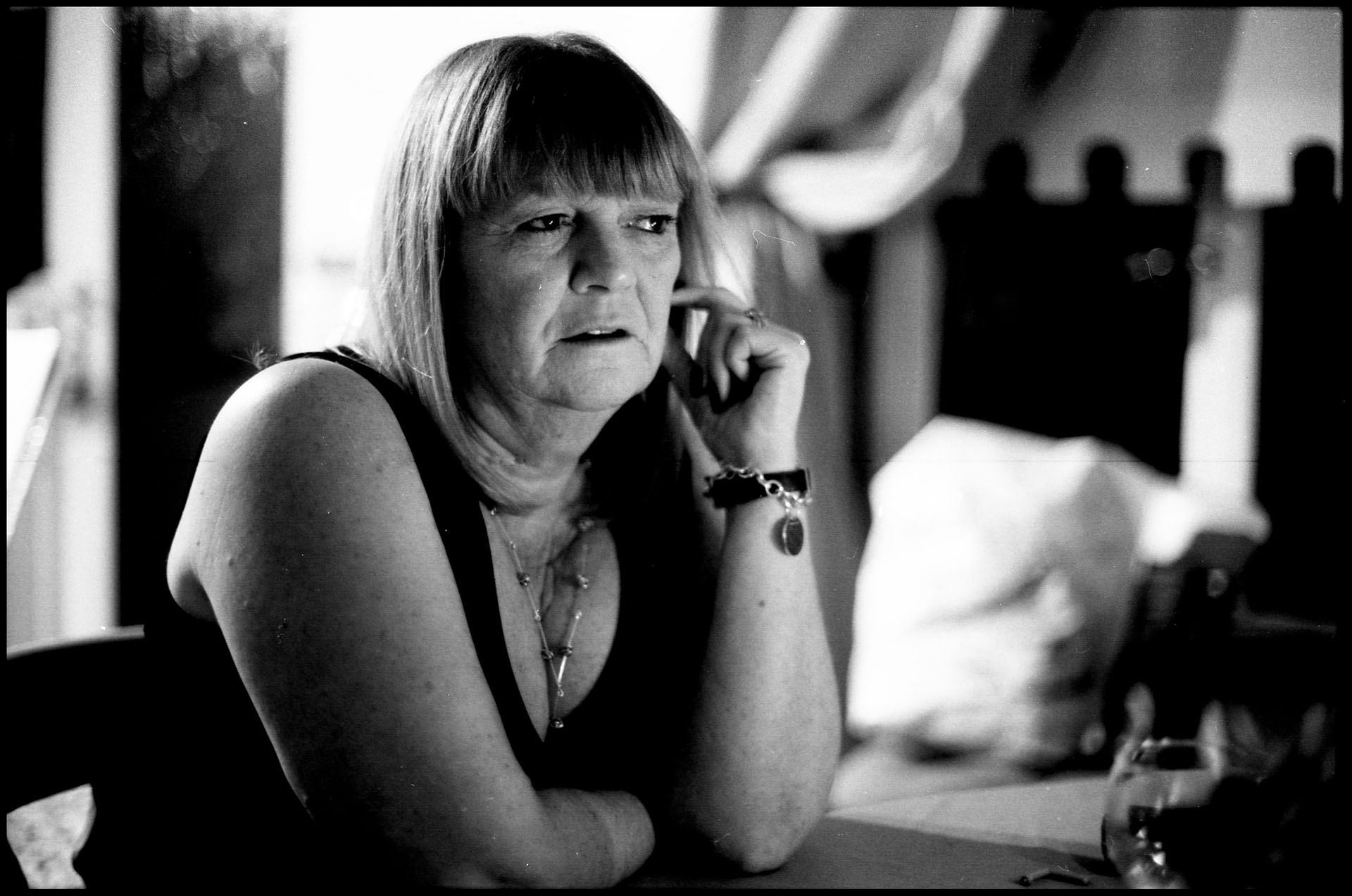
As a tribute to the greatest film in the world, I have gathered a whole pile of different pictures I’ve shot over the years with Neopan 1600 below. Don’t take any of these pictures as the quintissential NP1600 ‘look’ at its peak, as they are all subject to years of poor storage past the expiration date, as well as my shoddy exposure and development practices.
This isn’t quite the end of my story with NP1600, as I still have a bit of a stockpile left, but for now, here’s a look back.
Sample Images