

Browsing eBay one day, I spotted an unusual looking lens that I hadn’t come across before: the Tomioka Auto Yashinon 55mm f1.2. It was beautiful, and listed as ‘very rare’. I’ve always been a bit of a fan for unusual lenses with a lot of glass, so I did a bit of research.

What I turned up in my initial hunt was that:
- The Tomioka is a highly sought after and collectible lens.
- It is made up of 7 elements in 6 groups, and has a 55mm filter thread size.
- Apparently the first (and only?) f1.2 lens made with the M42 mount – meaning that it is also the fastest available.
- Sometimes referred to as the ‘Tomilux’ by fans, in reference to the Leica Noctilux. (I’m not sure I particularly like that nickname though, as this beast stands on its own.)
- The lens is available under various different names, including the Revuenon (though it is often marked as 58mm, due to a confusion over the filter thread). These are largely the same lens, but some were made by Cosina, and some are regarded as inferior to others.

History
I decided to take the plunge and get one to see for myself, and after a bit more digging, discovered:
- The lens started production in the 70s.
- Tomioka originally produced the lens under different names (Tomioka Cosinon, Tomioka Revuenon, Tomioka Tominon, Tomioka Chinon and Tomioka Yashinon) – with very little difference between any of them. These were made from 1970-1974.
- The lens design was then bought or licensed to Cosina, who produced their own version in the K Mount Cosina Cosinon-S lenses, as well as the Porst which was mentioned earlier. These have a similar character, but supposedly were made more cheaply with lower quality materials, and a slightly different optical design.
- Later, Cosina started making lenses using its own f1.2 design using the older names (Revuenon/Cosina/Rokinon/Vivitar) with the K Mount. These are generally regarded as being inferior – or at least not as special – as the originals.
For the curious, there is some more info on the Tomioka site here, as well as in the comments here and here. The important thing to note is that all of this information is kind of up in the air, and there aren’t a whole lot of sources to rely on – so we have to go with what we have.
There are a few interesting things to note before we go further on. Firstly, the lens has an an aperture stop for f1.4, and none for f1.8, which is pretty unusual for f1.2 lenses. It also has an unusual rear element shape (more on that later) which makes for some distinctive bokeh character. The description of this from Tomioka on this point is rather amusing:
Outside this circle over a large part of the picture area [field] the image is both radial and tangential blurred and soft and become “creamily” to “baffling” when approaching the corners with high unsharpness. In addition to the smooth bokeeh because of very shallow depth of field at full aperture 1.2 a picture impression is generated therefore no lens of any other manufacturer can be compared with. Photos taken open wide contain such a large portion to surrealism which really is impossible to explain by words but award a character quite of their own.

There’s also a certain warmth to the images, which may be explained by this rather amusing description from the Tomioka site:
In the aperture area of F=4 to F=8 special features of intense look of TOMIOKA® 55mm F=1.2 M42 then appears. The pictures are getting the yellowish brownish warm and antiquated appearing now. The general transmission characteristic of these lenses is red which leads to images as if a warm filter would have been used. All colour spectra seem to be increased in their contrasts and densities, in order that TOMIOKA pictures have one particularly pleasant atmosphere for the eye of the observer. Image quality is excellent and overall performance is slightly ahead of the legendary LEICA LEITZ CANADA ® NOCTILUX-M 50mm F=1.0 […].
Only some of the tested TOMIOKA of the DX series tended towards a slightly over-emphasis of red in white picture areas when taking slides in clear daylight. However it doesn’t lead in any case to a red colour purity error of the overall picture as it is known for the ASAHI PENTAX® TAKUMAR 55mm F=1.4 screwmount lenses for example.
Alrighty then.
Performance
Whatever the history of the lens, one thing is for sure: it’s pretty special. Once my copy arrived, it pretty quickly became one of my favourite lenses. The front element is nice and big, and the barrel has a reassuringly hefty width to it. Most notable of all though: the focus ring is buttery smooth… with just enough resistance to… glide. It is truly a joy to shoot with.

Bokeh
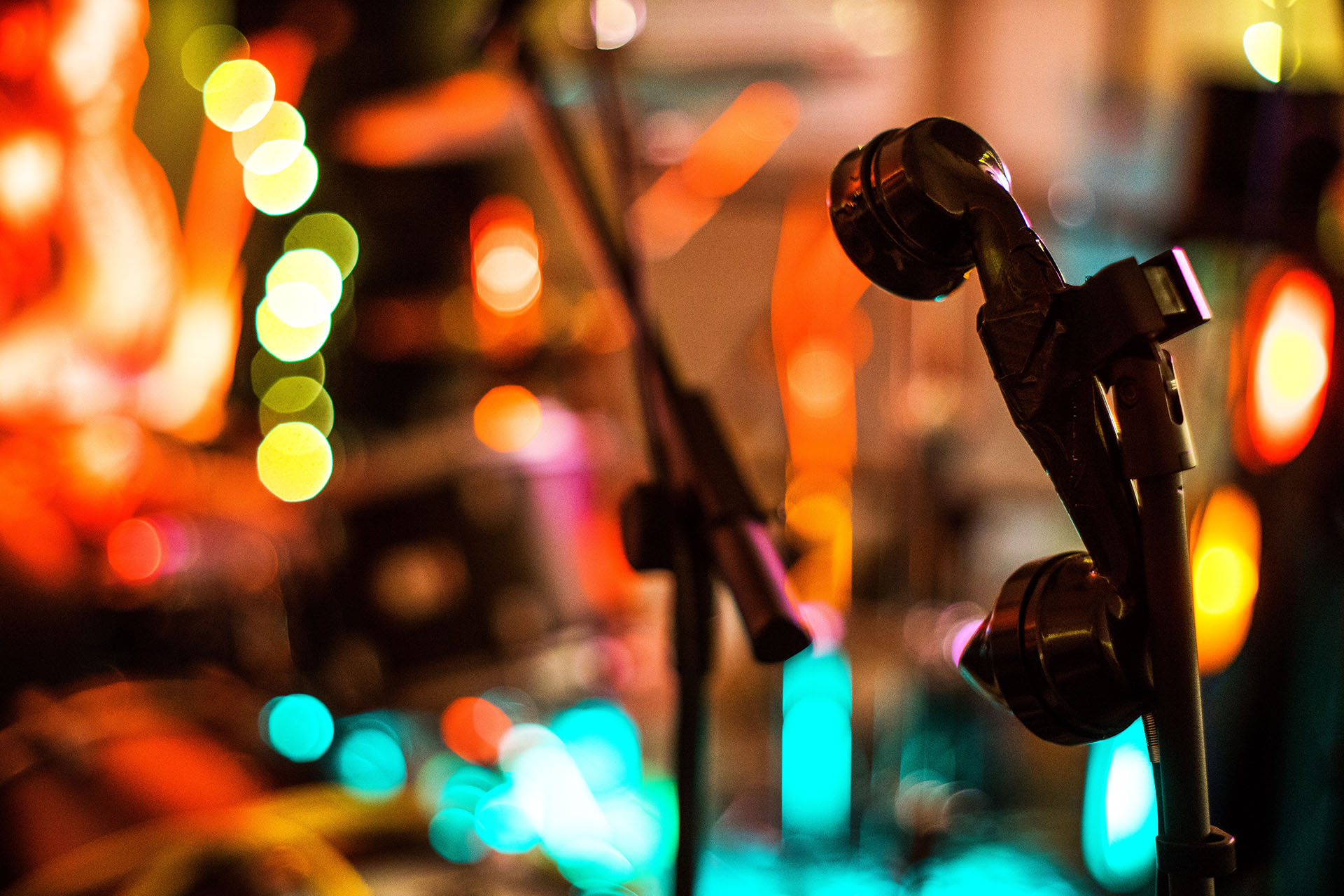
Shot wide open, the lens blurs backgrounds into oblivion, but the bokeh also has a really interesting character when it comes to different light sources. At times, it can look something like stained glass, which I find especially beautiful. The colours retain a lot of dynamism on digital.
(note that the examples below are a mix of film and digital)


Flare
Flare is a funny thing. You either love it, or you hate it. With vintage lenses I personally am always a bit disappointed if the coatings prevent any kind of flaring, but that also depends on the kind of flare – as it can either look great, or really ugly. Thankfully, the Tomioka has rather pleasing flare under the right conditions. The sort that folks used to add in using Photoshop:

Under direct light, the flare could be wild.


Overall the lens was more likely to flare than some others I’ve come across, but not to an extent where it would ruin pictures. I did come across some weird situations where the combination of the lens and the UV filter I had attached reacted to multiple light sources with a kind of streak (see below), but that was mostly down to the filter, and it was few and far between:

Sharpness
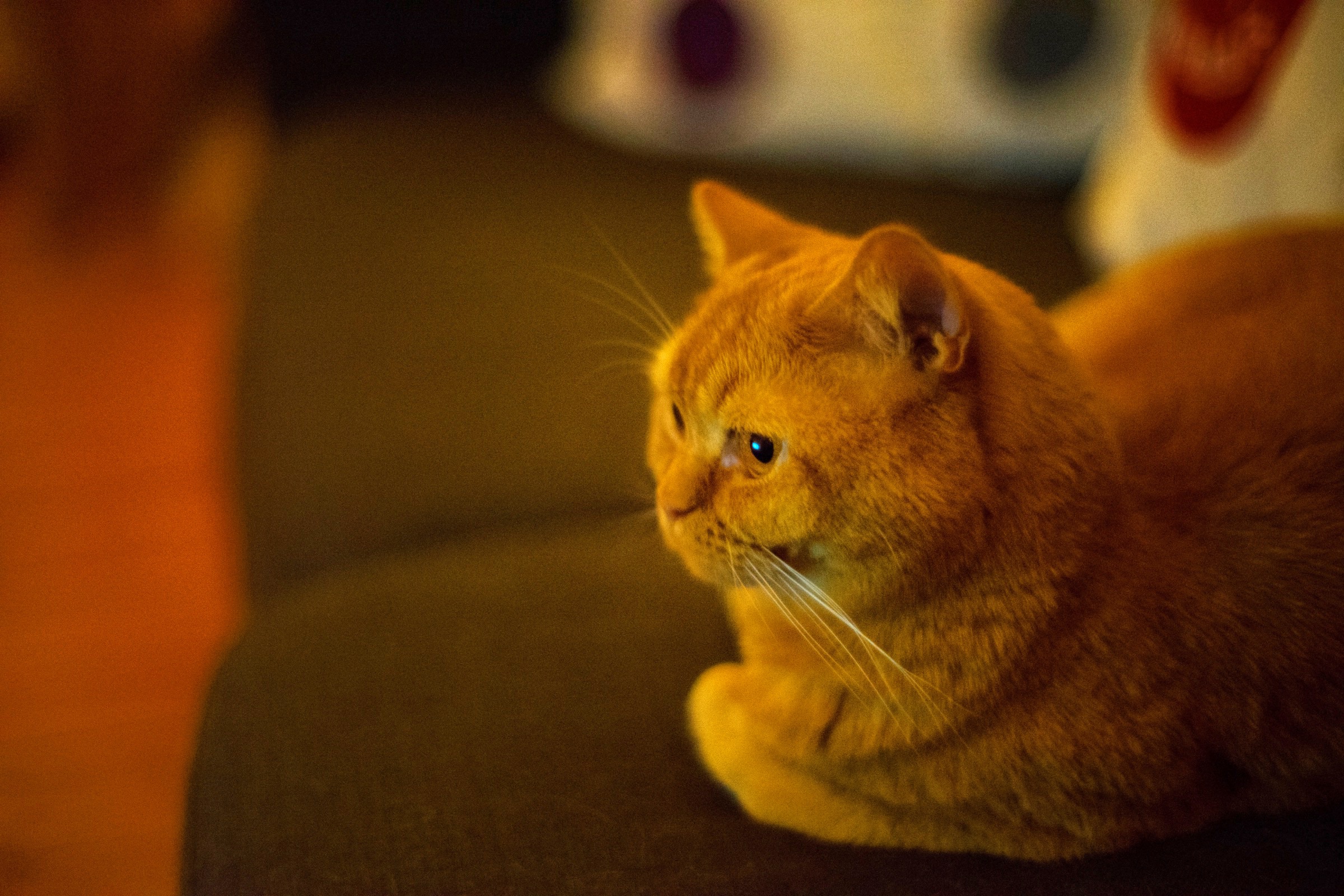
This is a sharp, sharp lens. So much so that it is at least as good as the fabled Takumar 50mm f1.4, if not better. People online seem to think that the Tomioka suffers from a lack of sharpness when shot at f1.2, but I haven’t found that to be the case at all. I suspect that a lot of those who think this are simply confusing soft focus with missed focus, as it can be tough to get things exactly bang on with an aperture as large as f1.2. That’s definitely something that I’ve struggled with at times… particularly on film cameras. Either way, my experience is that when shooting portraits at about just under the 1 metre mark, the Tomioka is pretty beautifully sharp where it matters on my Sony A7 – it’s just a matter of nailing the focus.


Things to watch out for
- Flange issues: The Tomioka’s rear element is an unusual shape, which was supposedly meant to be to accomodate its large glass for the aperture mechanism of M42 cameras. This means that you can’t use a ‘flanged’ M42 adaptor when mounting the lens to other cameras, as the element will collide with the flange. What’s a flange? That’s the ‘ledge’ that some M42 adaptors have which is designed to push down the auto aperture pin included in some lenses to allow them to work manually. You can pick up non flanged M42 to Sony E mount adaptors under the ‘Fotga’ name if you are looking. For an interesting bit of trivia, the Canon 50mm f0.95 ‘dream lens’ also has a cutaway at the top to allow for rangefinder focus mechanisms.
- DS-M or DS-X?: If you are in the market for one of these lenses to use on digital camera bodies (or any other body than what was originally intended), make sure you get a DS-X version. The DS-M version (named Auto Yashinon DS-M Tomioka) is a fully automatic lens, in the sense that it does not have a switch to allow you to set the aperture manually. Don’t get burned!
- Radioactivity: The Tomioka is one of the many lenses that reportedly has thoriated glass in its rear element, which means it is radioactive. That sounds pretty wild, but in practice it doesn’t mean too much. The amount of radiation actually emitted from these consumer lenses is so low that it won’t have any real impact on its owner. At the end of the day, I’ve already been exposed to far more radiation when visiting Chernobyl, so I’ll take my chances with the Tomioka.

My Experience
The Tomioka is one of my favourite manual focus lenses. Not only is it a bit of a weirdo, with bags of character infused in its bokeh and the way it flares, but it is super fast, and stupidly sharp. There’s no doubt that focussing a moving target with such a razor sharp depth of field can be tricky, but when you do nail it, the results are wonderful. If I am unsure what lighting conditions are going to be like, but still need the lens to perform to a high standard, I’ll pack this one. The build quality is excellent, and the handling is superb; the focus ring feels like it has been coated in silky, unsalted butter, and floats around with just the right amount of tension. Overall, it does a great job at helping to produce engaging and dynamic pictures from a whole host of demanding situations – and is a particularly nice portrait lens.
Cost and availability
Whilst the lens is definitely not common, and a desirable collector’s piece, these lenses aren’t quite as rare as some people say, in the sense that you can usually find a few of them kicking about on eBay. However, they definitely aren’t common. As a result, expect to pay anything from £500-1500 for a good copy (with prices increasing since I started writing this post) If you are looking for a cheaper version, you can pick them up in different mounts under different names for far cheaper, but be aware that these don’t necessarily get as good a reputation. Caveat Emptor.
Sample Images
Below are a selection of some of the images I’ve shot with the Tomioka 55mm f1.2. Most (if not all) are shot wide open.
On Film
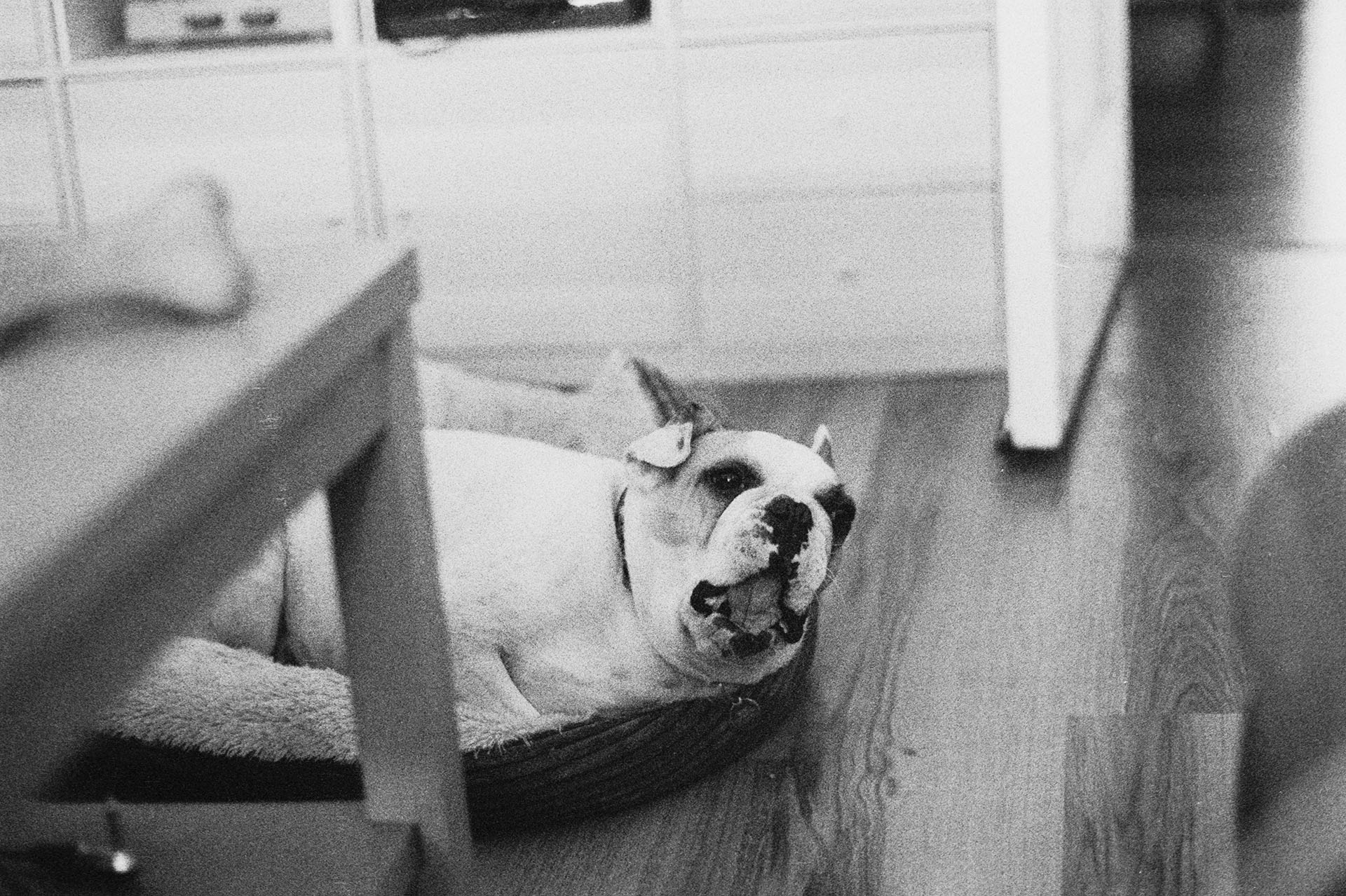
All of the below were shot on 35mm film, with a Pentax Spotmatic SLR (SP500 or SPF).




Digital
All of the below were shot on digital, with a Sony A7 or A7 IV.














Disclaimer: As usual, this article isn’t intended to be a comprehensive, pixel-peeping review. Rather, it’s highly subjective, and reflects my research and experience as someone who has shot with a lot of different cameras and lenses over the years. No aperture comparison charts here.