

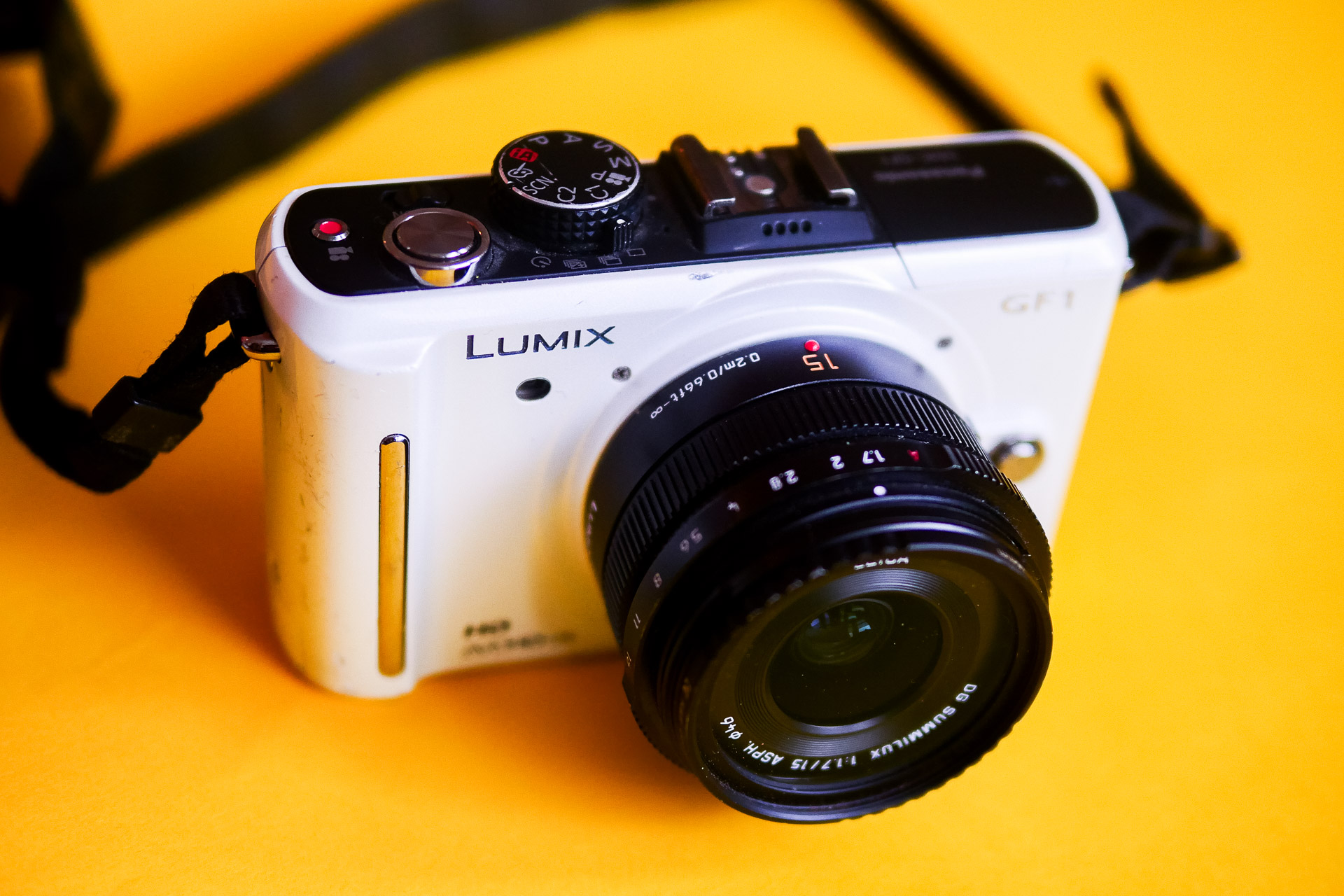
Back in 2010, I paid £440 for a Lumix DMC-GF1. It had a limited edition white body, and came with a Panasonic 20mm f1.7 pancake lens. As one of earlier Micro Four Thirds models on the market, it was rather unusual for its time, in that it was an affordable, quality camera that came in a compact package, and also allowed for interchangeable lenses. As somebody who wanted lots of manual control but was sick of lugging my Canon SLR around, this thing seemed perfect – and I used it extensively over the course of a few years. From Denver to Paris, I documented birthdays, festivals, and even our wedding engagement with the GF1.


A special lens
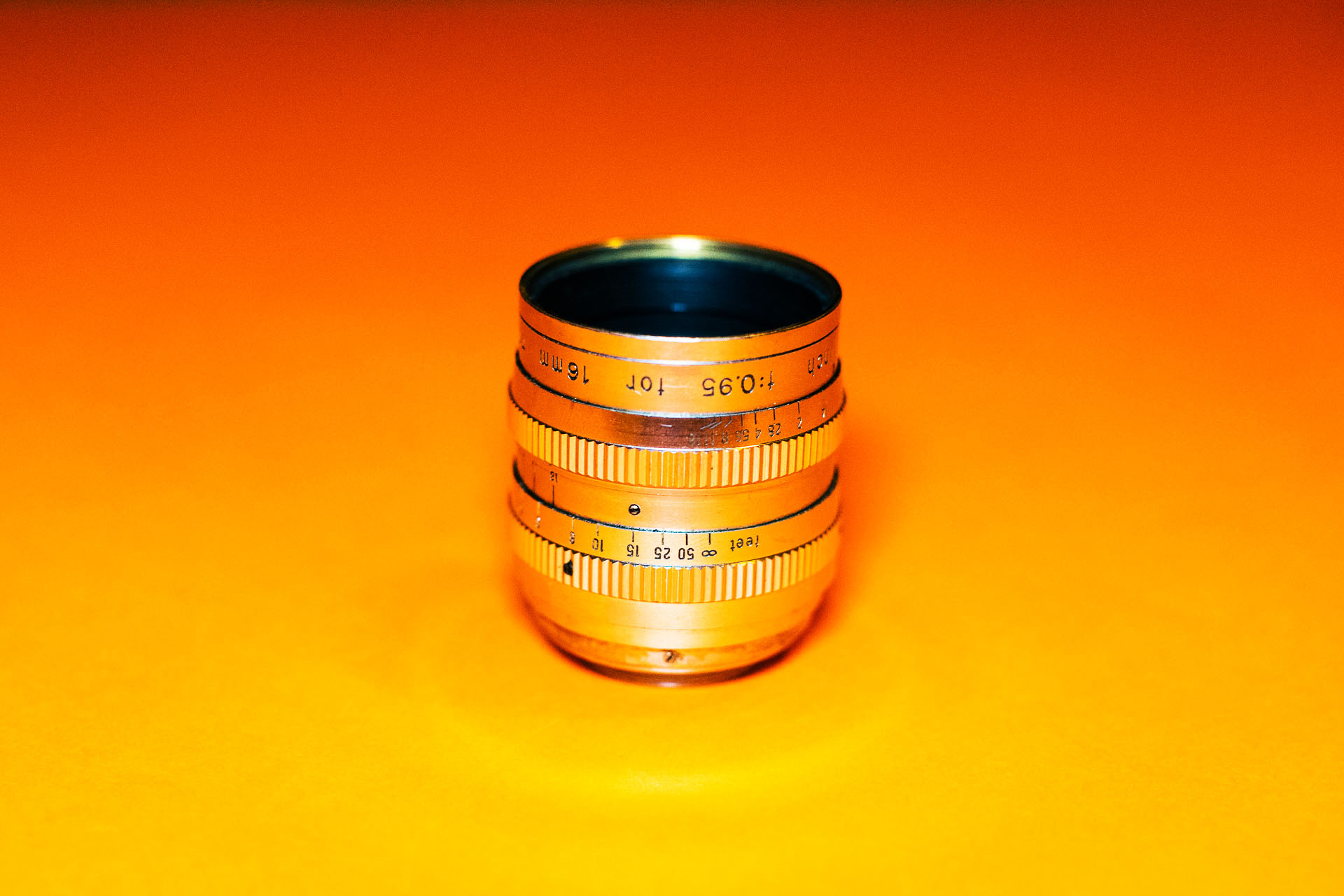
Despite owning the 20mm f1.7 lens with its incredibly pleasing dimensions and its autofocus convenience, I rarely found myself using it in practice. The images always just came out a wee bit too sharp, and somehow felt clinically digital in a way that I didn’t like. Instead, I gravitated towards a strange old 16mm cinema lens – the Elitar Soligor 25mm f0.95. It is beautiful, but incredibly unforgiving to focus, with a razor thin depth of field. Looking back over my archive now in higher resolution than was normal for the time, this is painfully clear – and I am kind of bewildered at the situations I chose to utilise it. However… there are also some pictures that I love to this day, and which I wouldn’t have been able to capture otherwise.


In many ways, the combination of that particular lens and this particular camera is inextricably tied up in both my photographic ‘style’, but also my memories of a formative period in a very tangible way. Even with all of their imperfections, those fuzzy pictures define an important part of my life.

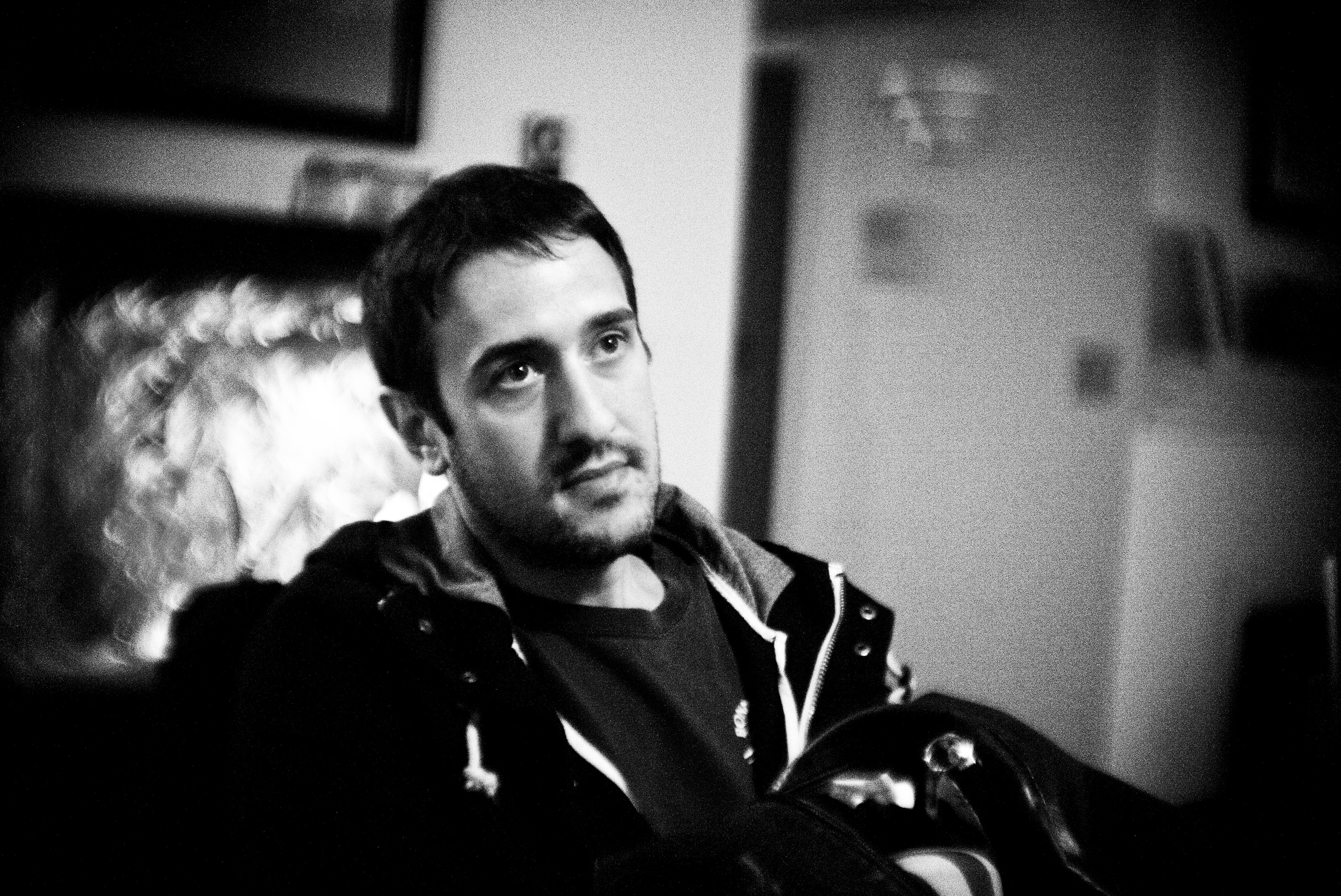


If you’re curious to see more, then there’s a pile over on this blog post about the 25mm f0.95 lens that you might be interested in.

The Modern Era
Despite the GF1 acting as my faithful companion for many years, eventually its age began to show. More than often than not, I was spending time in dimly lit places, and the camera’s high ISO performance wasn’t the best. Technology had advanced rapidly (as it is wont to do), and my pictures felt stuck. It was time for me to move on.
At some point I began to re-assess my relationship with photography, having lost a lot of the joy that I used to find in taking pictures. I still had both the GF1 and the 25mm f0.95 lens sitting in a cupboard, and decided it was time to try and rediscover what it was about them that inspired me so much, for so long. I dug the camera out the cupboard, bought a new battery charger, and gave it a whirl. So what was it like? Well, err. Read on.
For reference, all of the pictures from this point on were taken after the 2nd of August 2023.
First Impressions
It seems weird to share ‘first impressions’ of a camera that has travelled the world with me, but in many ways that’s exactly what these are. There is so much that I had forgotten about the GF1, such as the fact that the screen doesn’t reflect the exposure. In other words… the display always shows a well-exposed image, even if the settings wouldn’t produce a picture with that corresponding exposure. That is something that it seems the GF1 has in common with newer Lumix models as well, and to be honest I find it pretty strange – especially after getting used to the ‘through-the-lens’ style live mode which is common in other cameras, but hey.
Leica 15mm f1.7

Whilst I always loved my ultra-fast Soligor lens, I felt like I needed to indulge a bit in the auto-focus experience of the GF1, largely to take advantage of the convenience it offers… but also because it’s something I had never really done before. My 20mm f1.7 lens was long gone, and so I picked up a Leica 15mm f1.7 instead. It’s a wee bit physically bigger than the old pancake was, but only very slightly… and it makes up for that additional heft by having a beautifully chunky manual aperture ring which I very much appreciate.


Wide Open
I was pleasantly surprised to find that the Leica lens had far more character when shot wide open than I remember from the 20mm pancake, and was sharp, but without that hyper-real digital clarity that I didn’t like from before. Perhaps I’ve just gotten better at taking pictures… but either way, I liked the early results.

Optical Viewfinder
Rather than completely rely on the GF1’s LCD screen, I thought it’d be worth experimenting with an external optical viewfinder, mounted on the hotshoe. For about £40 I picked up one from TTArtisan, with a 21mm field of view. This is deliberately wider than the 30mm effective focal length of the 15mm lens, because thanks to my specs, I can’t see the entire thing anyway, so going a tad wider works out quite nicely.

In practice, the viewfinder is larger than I expected – with a bright, clear view.. It’s a bit of a pain to use for manual control or wide aperture shots, as you obviously can’t tell where the camera is focussing, or if things are exposed correctly… but it is great for general snapshots on shutter or aperture priority mode. Well, so long as you remember to adjust the shot slightly to compensate for the distance between the finder and lens… as there is obviously no parallax correction to speak of. With all of that said, the viewfinder just looks cool, and we all know that’s the most important thing.
My (Modern) Experience

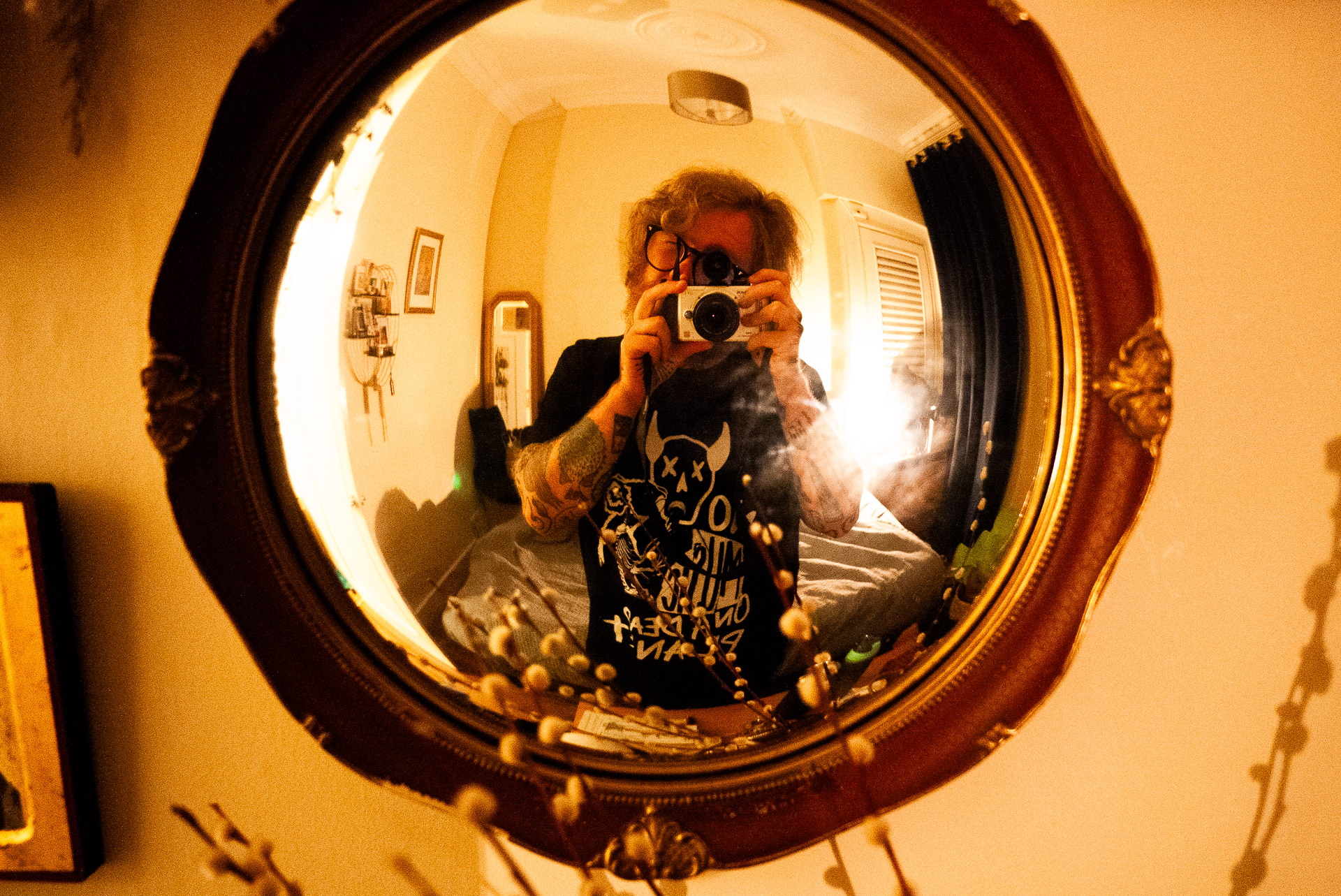
Once I had the GF1 all charged up and ready to roll, I took it out for a spin on the streets of Glasgow. I fully expected it to be a painful experience, with its rather loud, unashamedly digital sounding shutter (no silent mode here!), mediocre auto-focus, and fiddly exposure controls. However, as it turned out, the camera was pretty great, and the shots ended up being some of the favourites I had taken in ages.
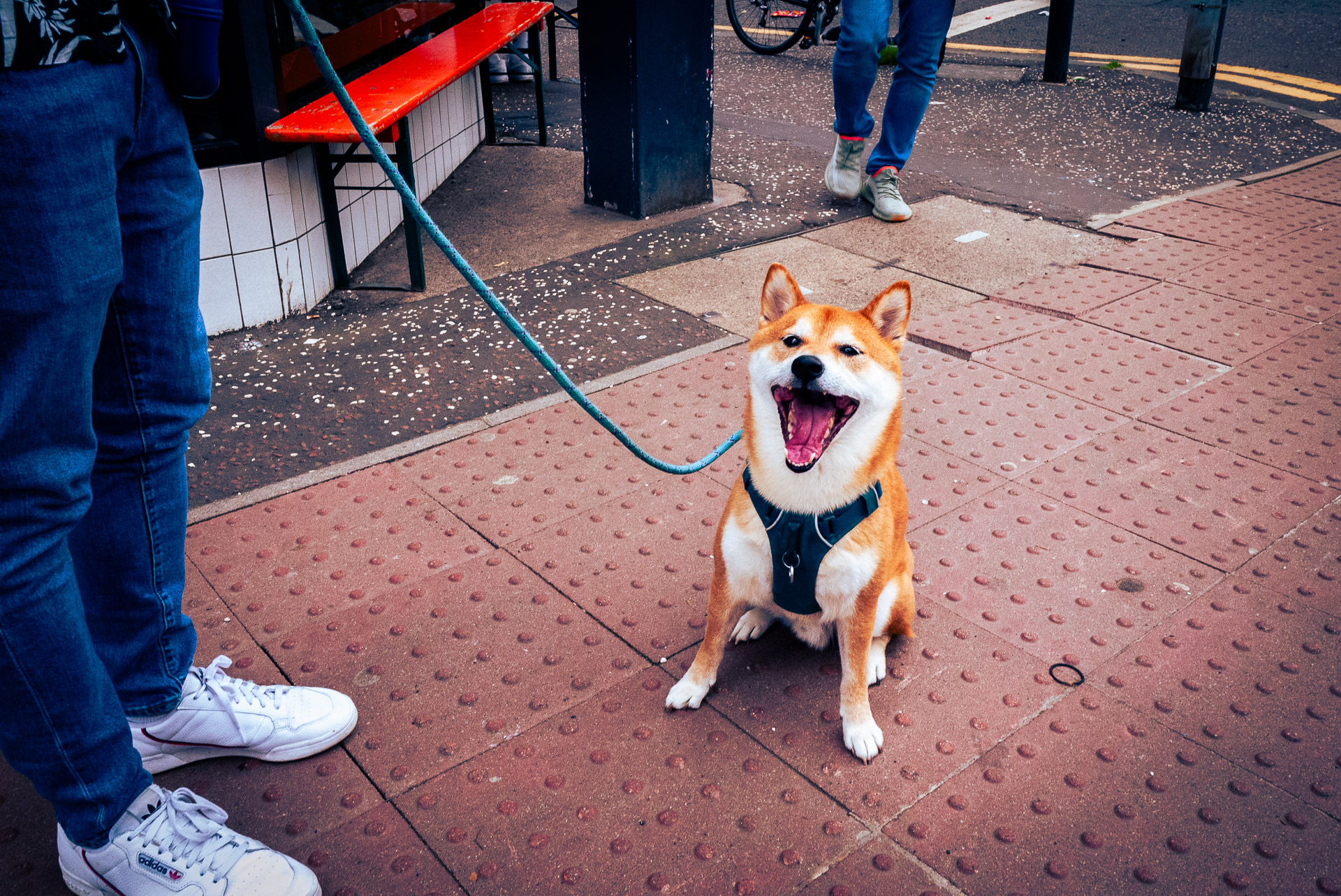
When it came to actual operation… At first I couldn’t find a dedicated exposure compensation wheel, and that there didn’t appear to be an AUTO ISO option. These are both features that I had come to rely on to make street photography as straightforward as possible. However! I was very pleasantly pleased to discover that this was a mistake, and that their availability just depended on the particular shooting mode that you are using.
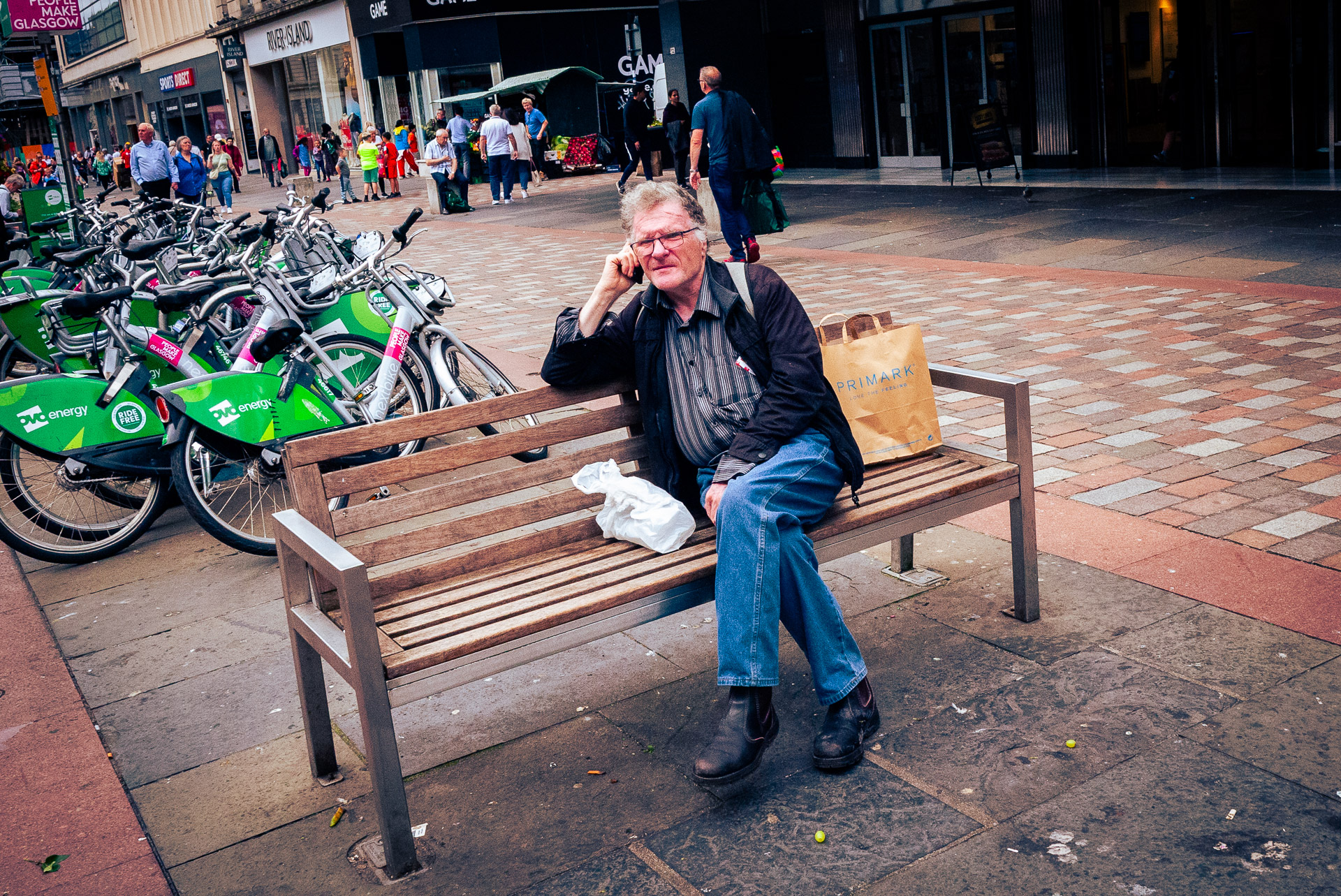
I was especially concerned about the volume of the shutter on the street, after getting so used to the silent electronic nature of the Ricoh GR III – something I usually use when out and about. In practice though, this forced me to change the way I shot. Instead of just spraying pictures at chest height as I walked about, I had to be much more deliberate with what I was choosing to capture. If you do this with confidence, nobody cares or even notices, and the results were much better than I was used to coming away with.
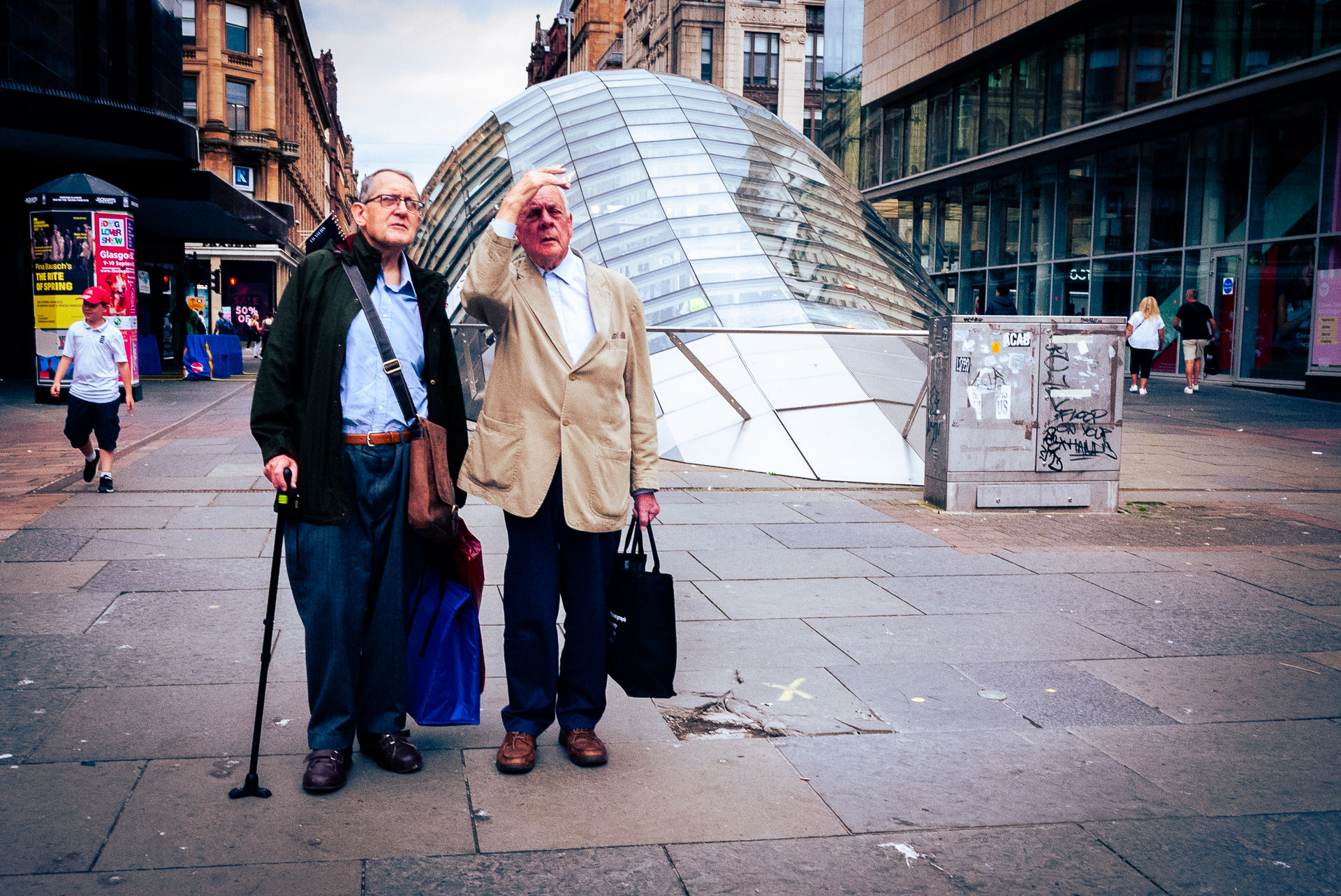
One particular thing that I discovered which caught me off guard is that you can’t use SD cards over 32GB with the GF1. In the modern era that seems very small indeed… but in reality, the sensor’s resolution means that even just with 32GB, you can store a huge amount of RAW images, as well as video. In a pinch, I used a 2GB card, which gave me space for 153 raw files. You do the maths.

Idiosyncracies aside… when coupled with the Leica 15mm f1.7, the GF1 felt like an incredibly capable, compact wee unit – one that was actually a pleasure to shoot with.


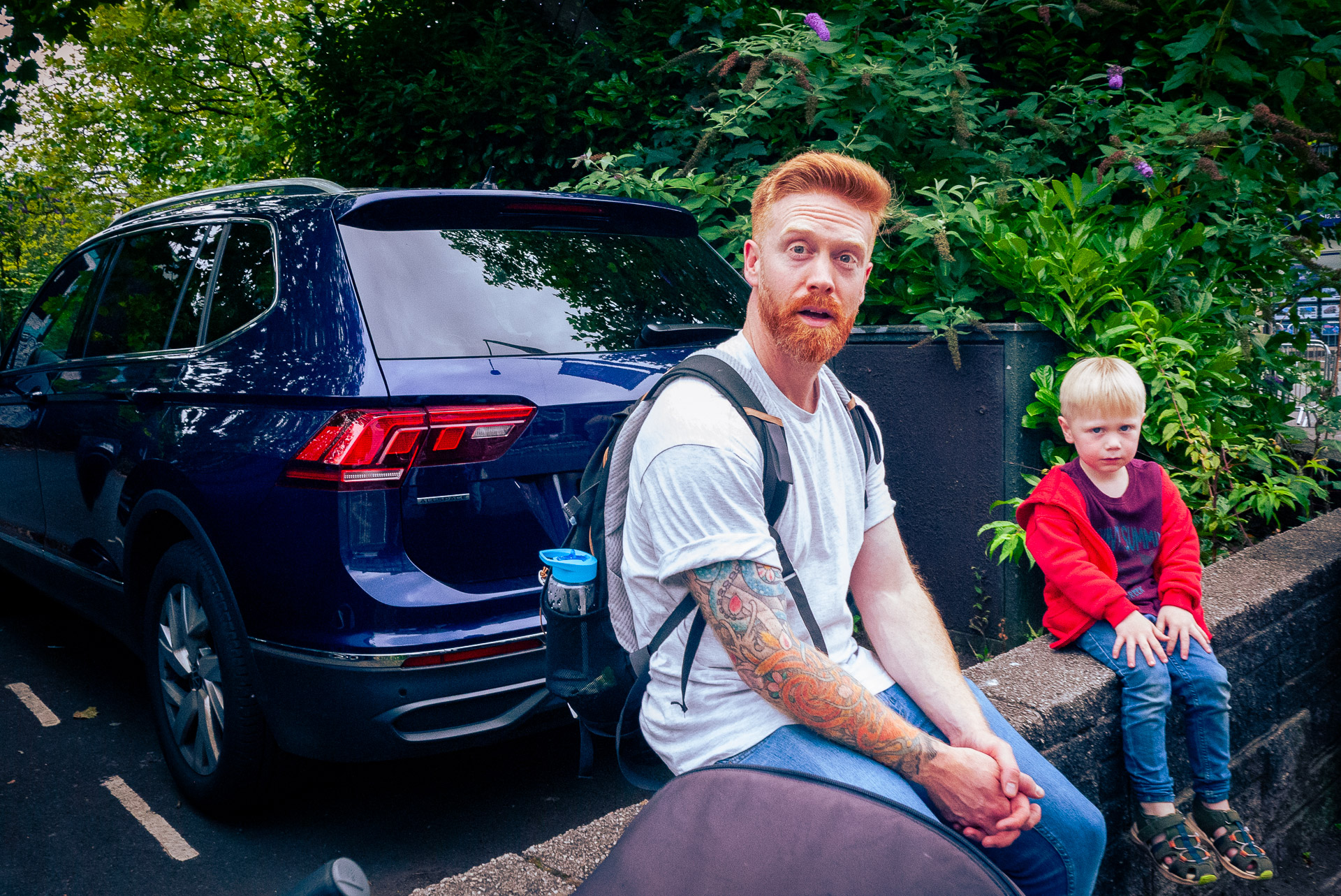
I especially liked the way that the files took to post-processing, with colours that had vibrancy and character. They were a far cry from the harsh, flat images that I recall getting from the old Panasonic 20mm pancake… so who knows. Maybe those Leica lenses do have some magic in them after all (ahem).


Not everything was rosey mind you. The GF1 has no face tracking, which… I mean, duh. This is an old camera. However, in practice I found that auto-focus could get stuck on weird objects at times.
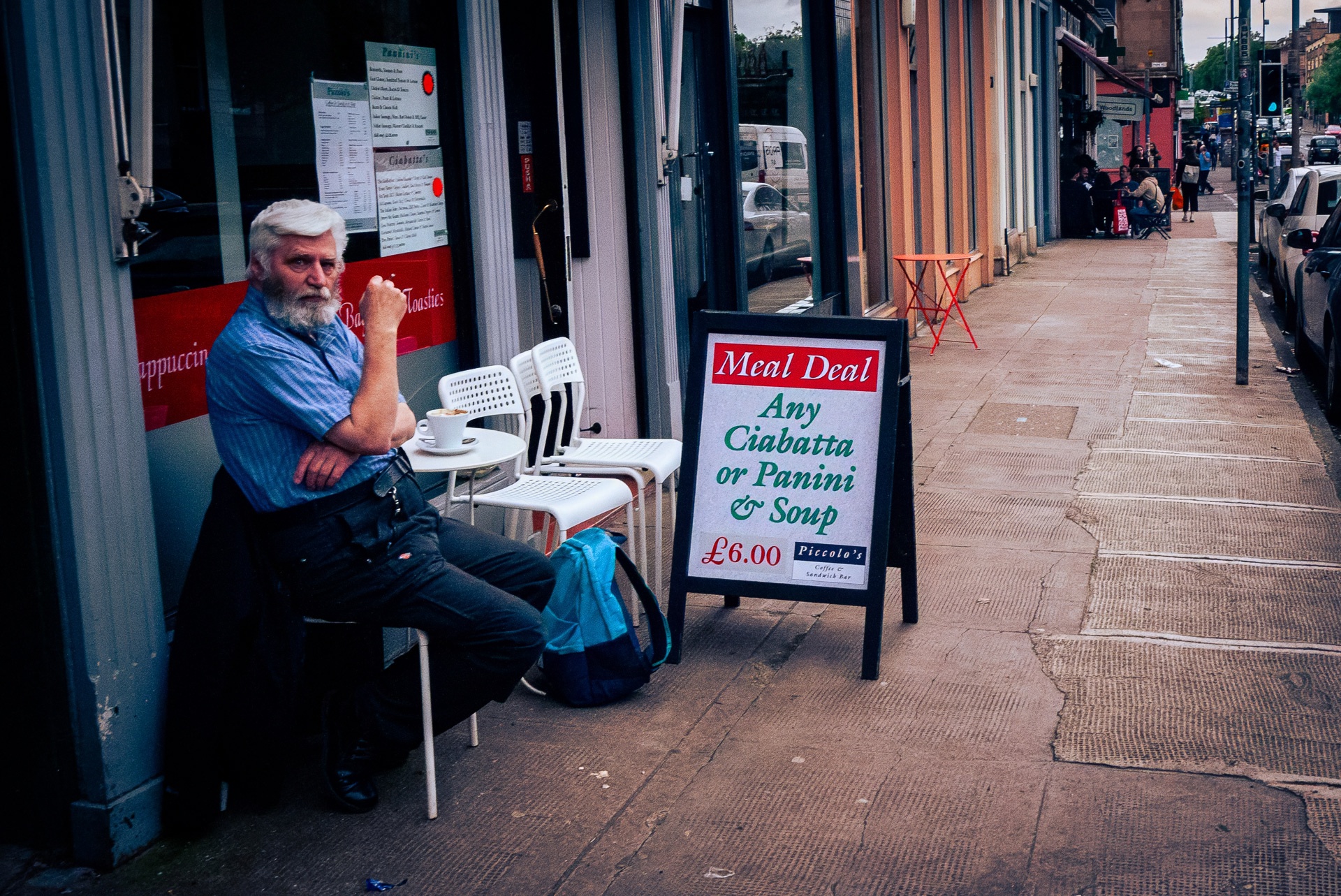
Low light performance as well as the dynamic range in the shadows is still pretty crappy – at least when compared to what you’d expect from modern digital cameras – and on a few occasions I ended up resorting to using Topaz Photo AI to clean the shots up. However, it isn’t really all that bad, and when I finally got around to testing the classic Elitar Soligor 25mm f0.95 again… I felt like I had been transported back to my early 20s. Sure, it was just as fiddly to focus as it had always been, but the shots have that special something about them that I love.


If you want to see more of my adventures with the GF1 on the big bad streets of Glasgow, have a watch at this video below:

Summary
By any rational measure, the GF1 should have been sold off or permanently retired long ago, but I am glad that I hung onto it. We’ve been all over the world together, and it’s quietly but confidently captured a lot of important moments in less than ideal conditions. Coming back to it now, I was genuinely surprised by how well it has held up, especially when you slap a decent lens on there. Old, aye. Outdated, sure – but still very much capable of producing great images.
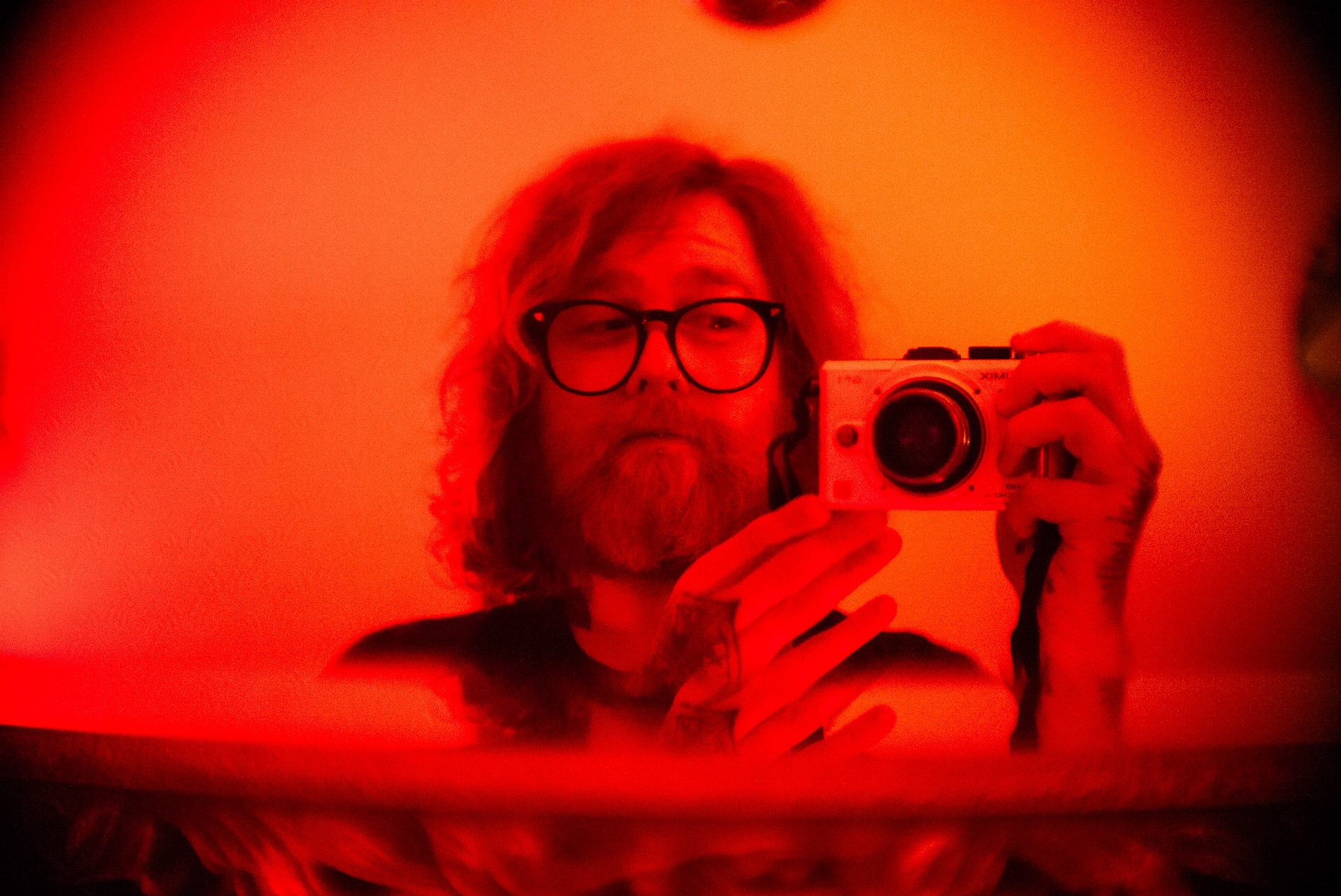
The GF1’s best days are definitely behind it, and it’s not a camera that I’m likely to be packing for any more international adventures, but it is also just genuinely just fun to shoot with, and the images have a certain scrappy charm that I can’t quite put my finger on. In its golden age, it can now retire into its new role as an everyday beater snapshot camera that still punches well above its weight.

Digging out the GF1 ultimately ended up leading me down a Micro Four Thirds rabbit hole, and I ended up buying one of its later descendants – the GX9 – along with a few other lenses. That has since become one of my most commonly used cameras – the one that I throw in my bag as my new general all-rounder… and in a way that is kind of fitting. Don’t ya think?



Last updated: