



In my early 20s, I spent a lot of time exploring Scotland. Whether attending festivals, embarking on day trips to see old friends, or ferrying fellow couchsurfers about, I took any excuse I could get to batter about the landscape in my trusty 1L Corsa – often pushing it far beyond what it should have been capable of. When the old beast finally gave up the ghost, I was living in the city, and it didn’t seem to make much sense to spend lots of money on a replacement. Thus, the end of an era.

Whilst in many ways, living a car-less existence has been a positive thing – I do miss the freedom that even a modest vehicle provides; the ability to reach far flung places with relative ease. As a result, a recurring desire of mine has been to make a conscious effort to once again start to discover more of my own country. In fact, it is something that I specifically listed as a goal for my first sabbatical, back in 2019… one which I sadly didn’t manage to achieve.

This time around, I was determined to make some progress. Initial grand plans involved renting a vintage VW camper van and spending a full two weeks completing the NC500 – a roadtrip around some of Scotland’s most stunning scenery. However, practical realities dictated that the vision should be narrowed in scope somewhat, and so we settled on a six day trip – starting with the Isle of Skye, before moving on to a remote part of the mainland called Badrallach.
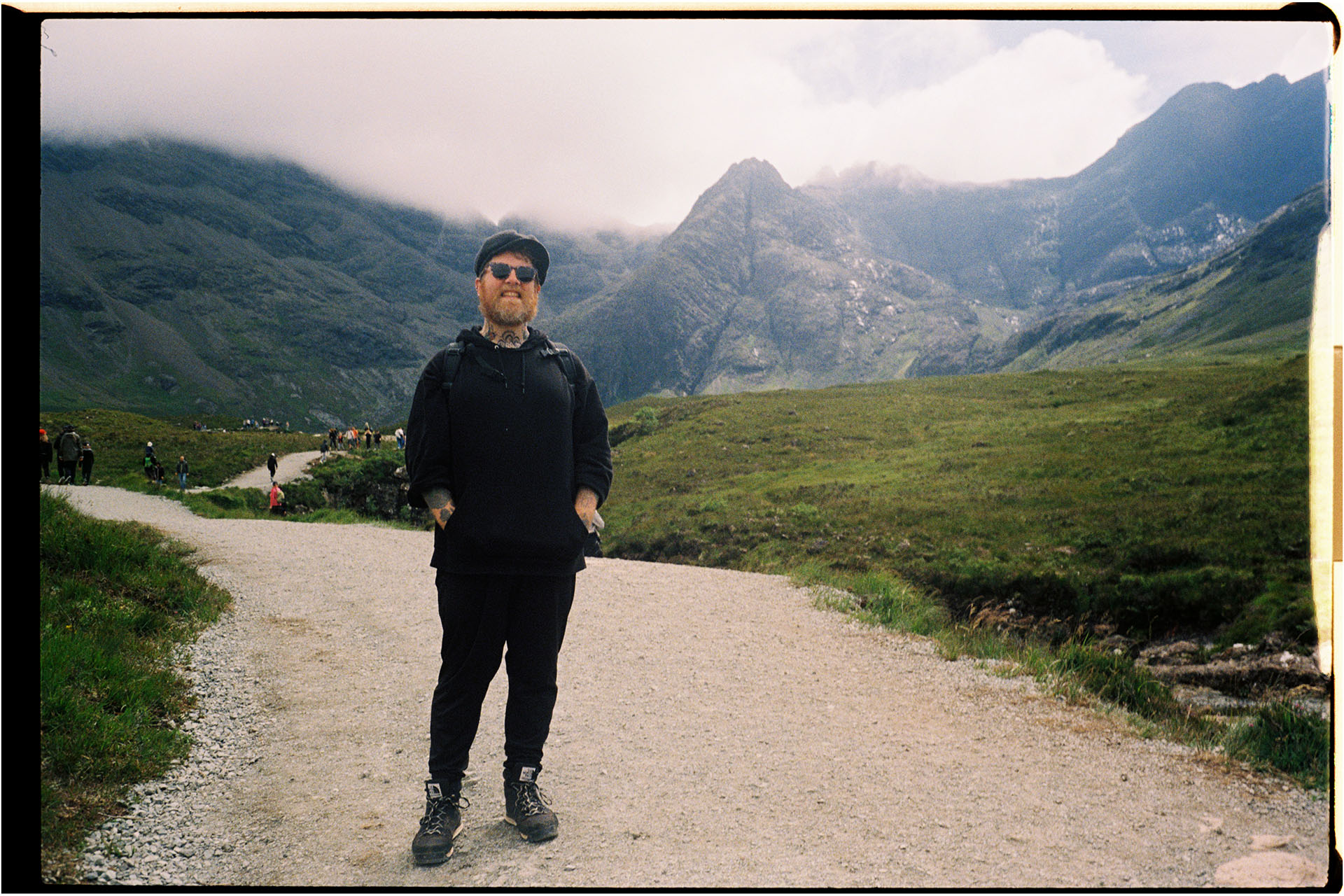
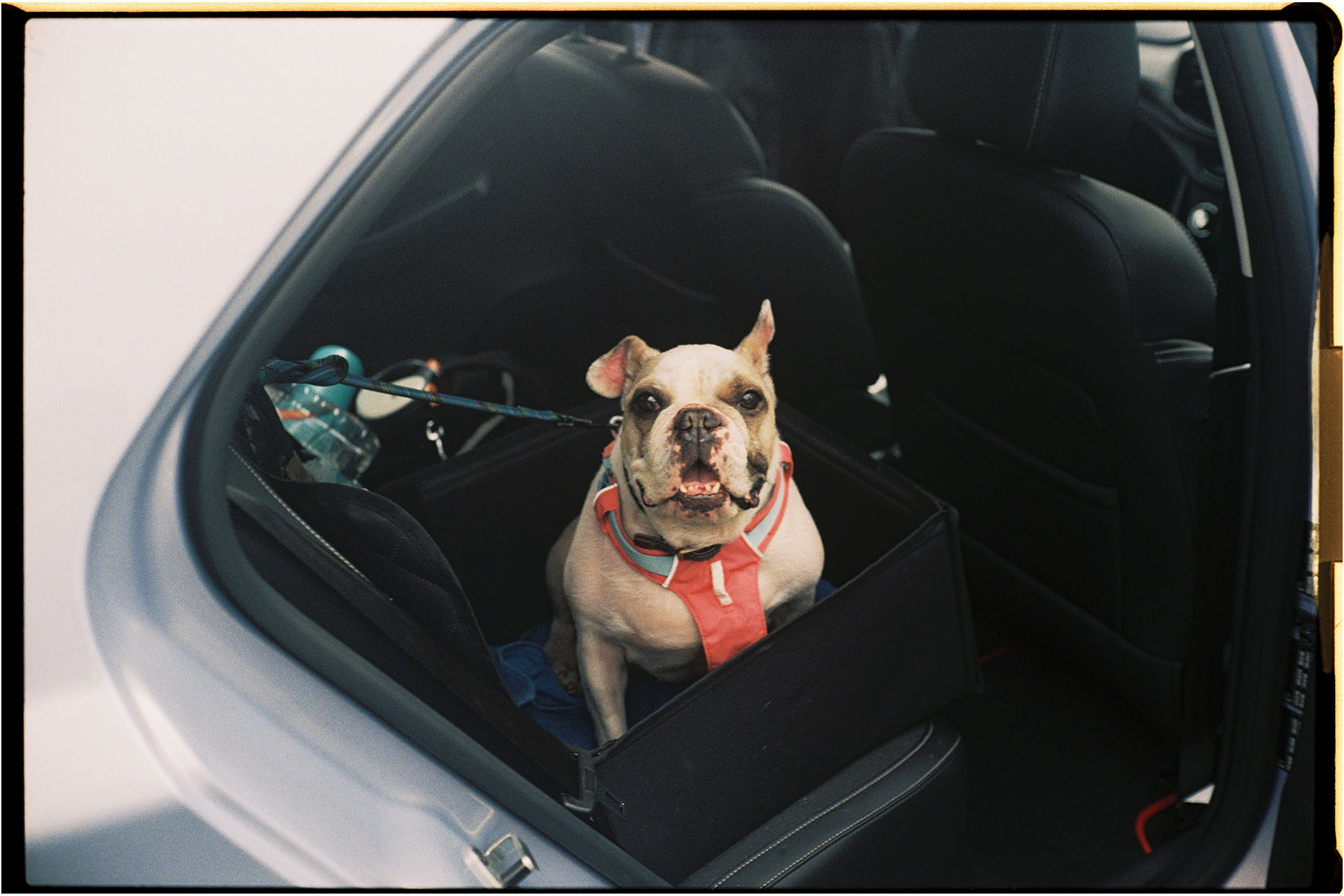
As one might expect, we ended up having to pay exorbitantly high prices for fairly average accommodation – such is the nature of supply and demand. The cost of three nights in the hotel ended up as expensive as a full week’s holiday to more exotic locations. I had accepted this as part of the deal – particularly as there was something of a spectacular view – but it got a bit more difficult to swallow upon discovering that the hotel bar didn’t even have any whisky from the Isle of Skye. I mean, come on. The Talisker distillery is literally down the road. In the end, we took the trip out ourselves, and picked up a bottle of Port Ruighe – which is finished in port casks.
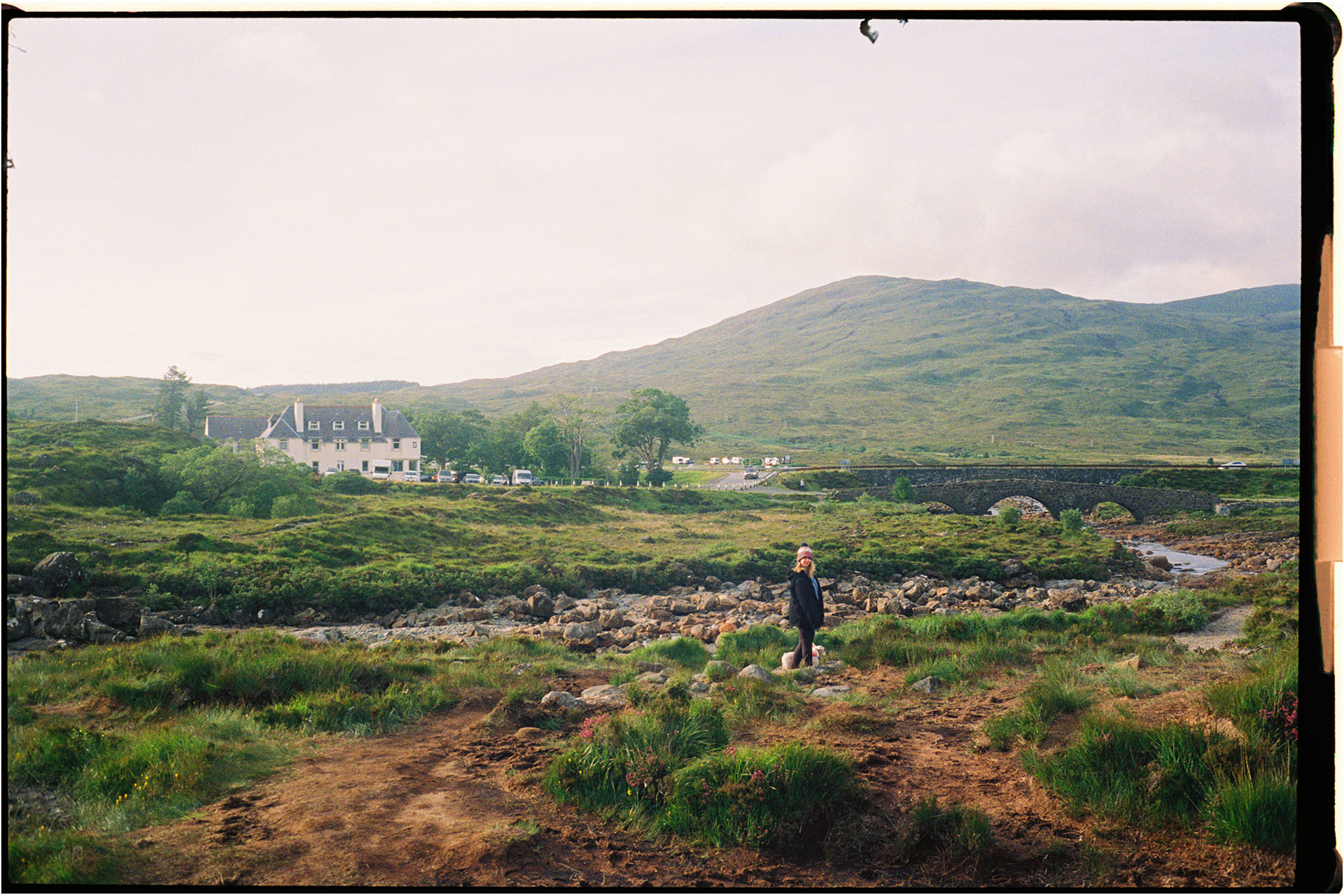


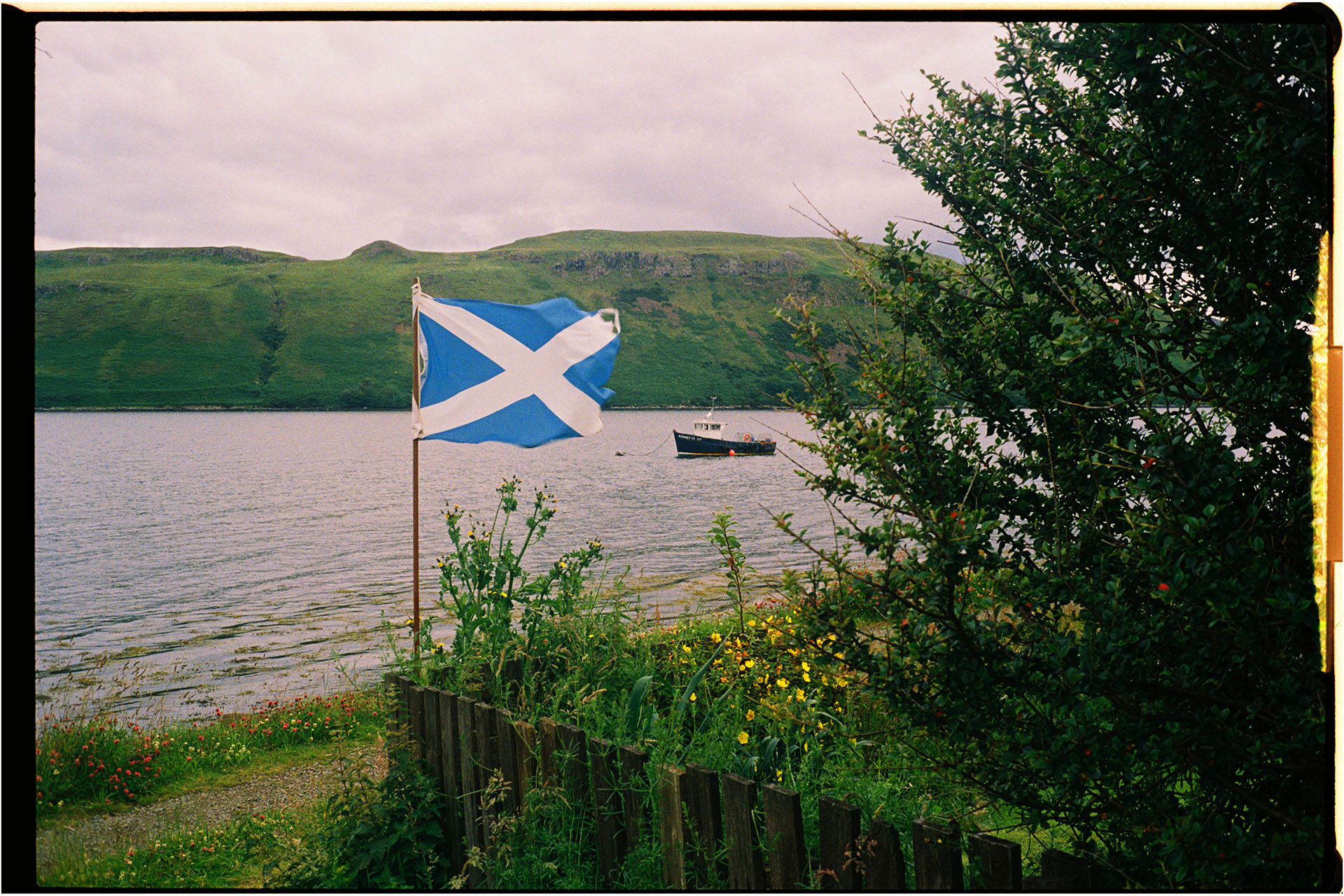
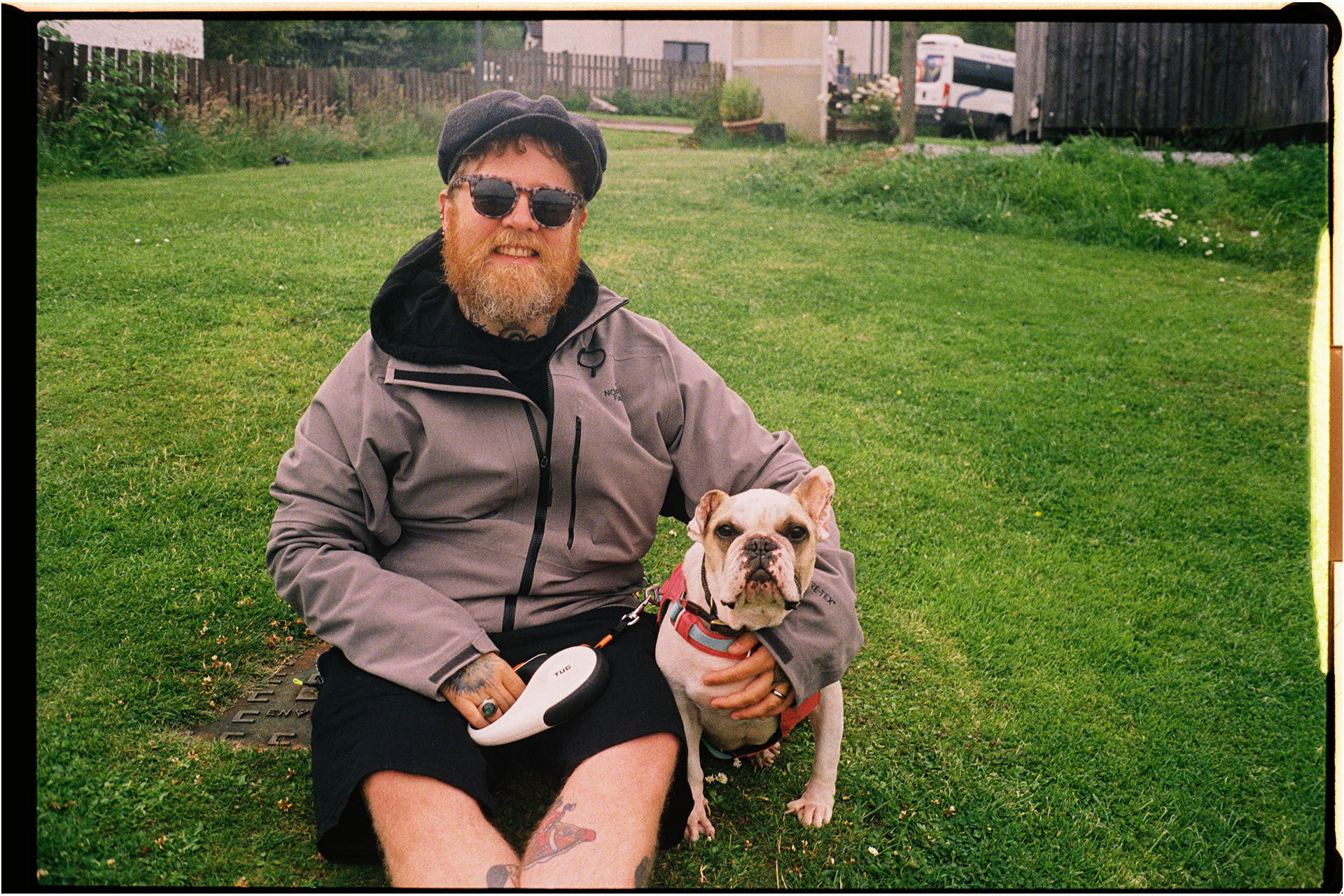
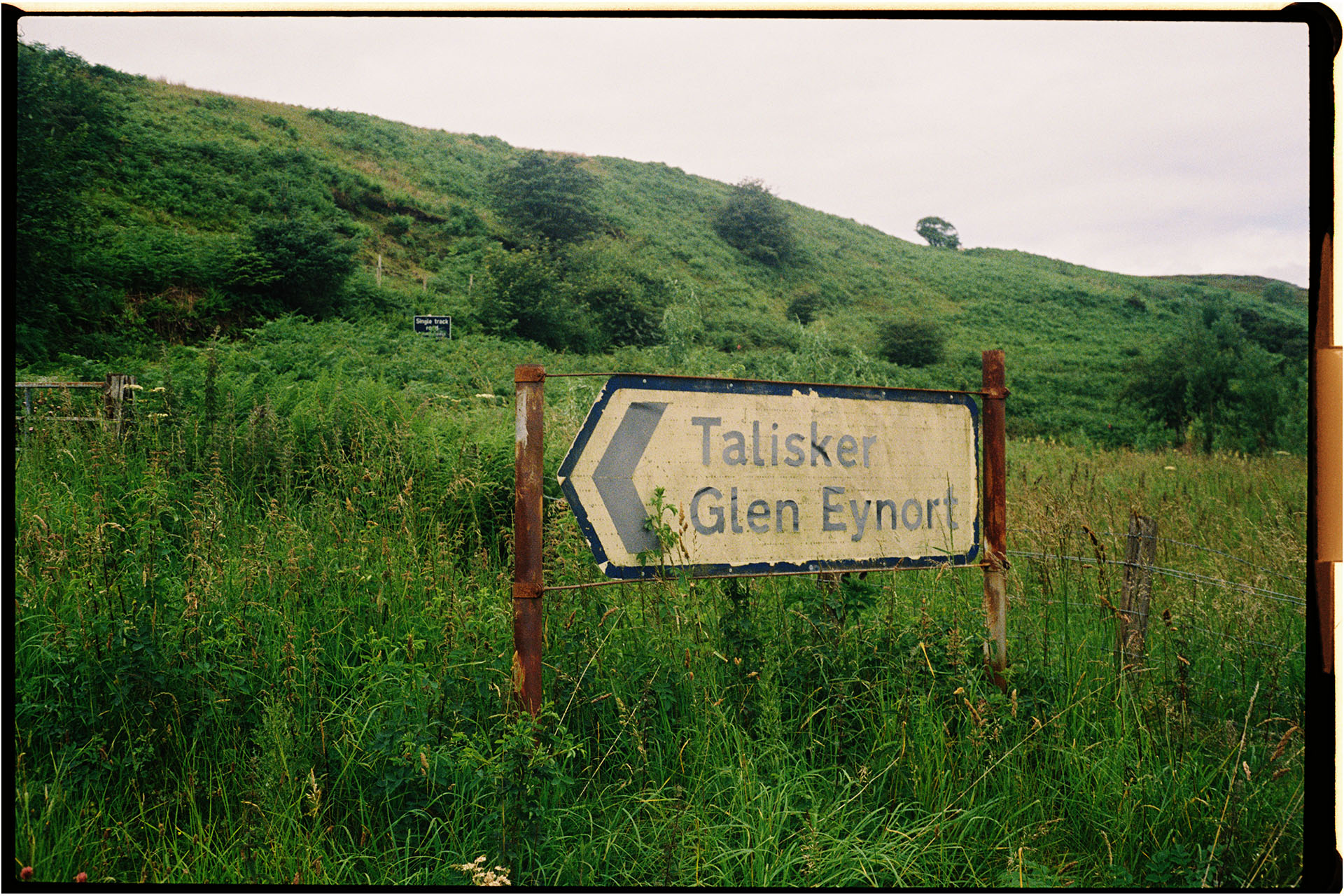
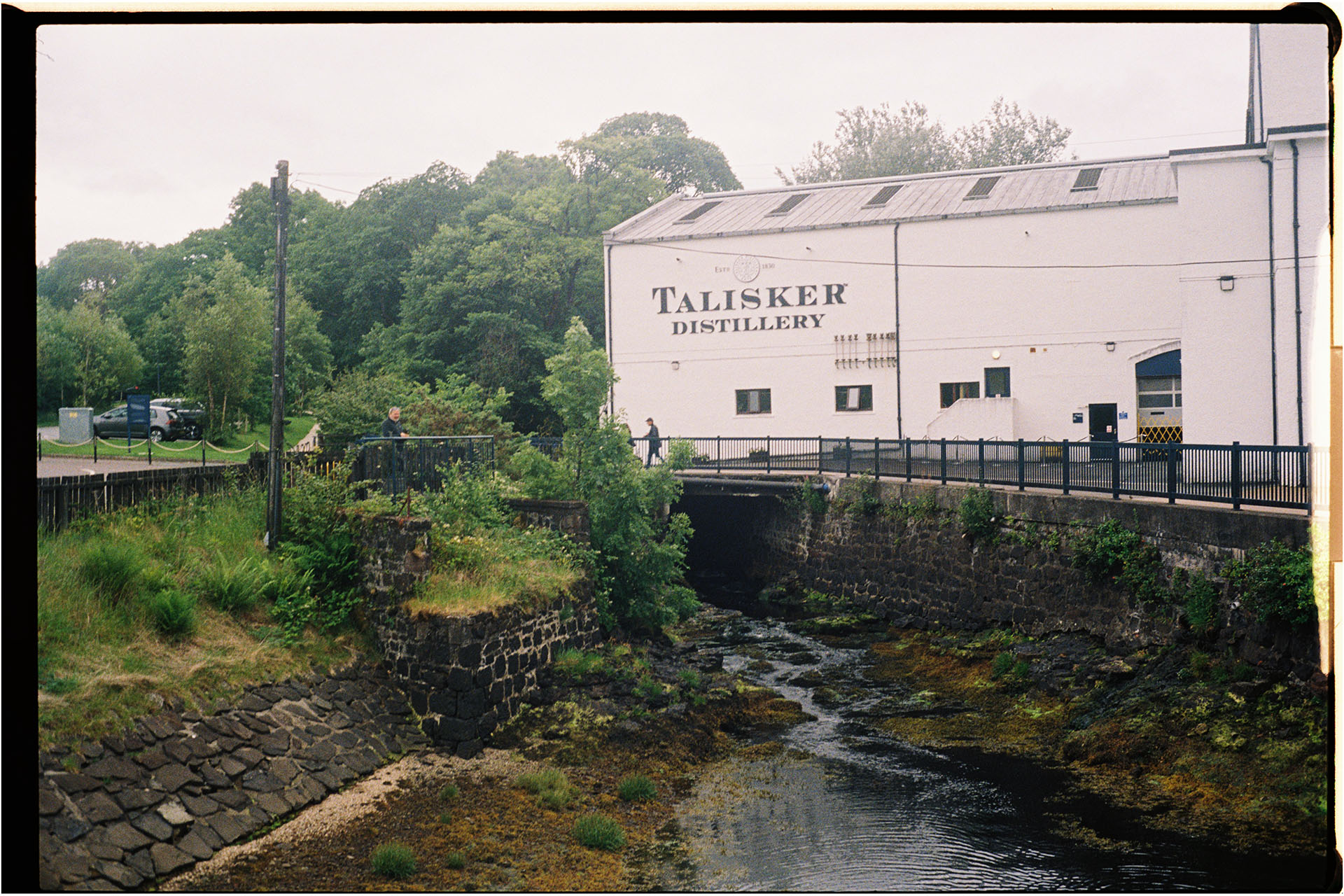
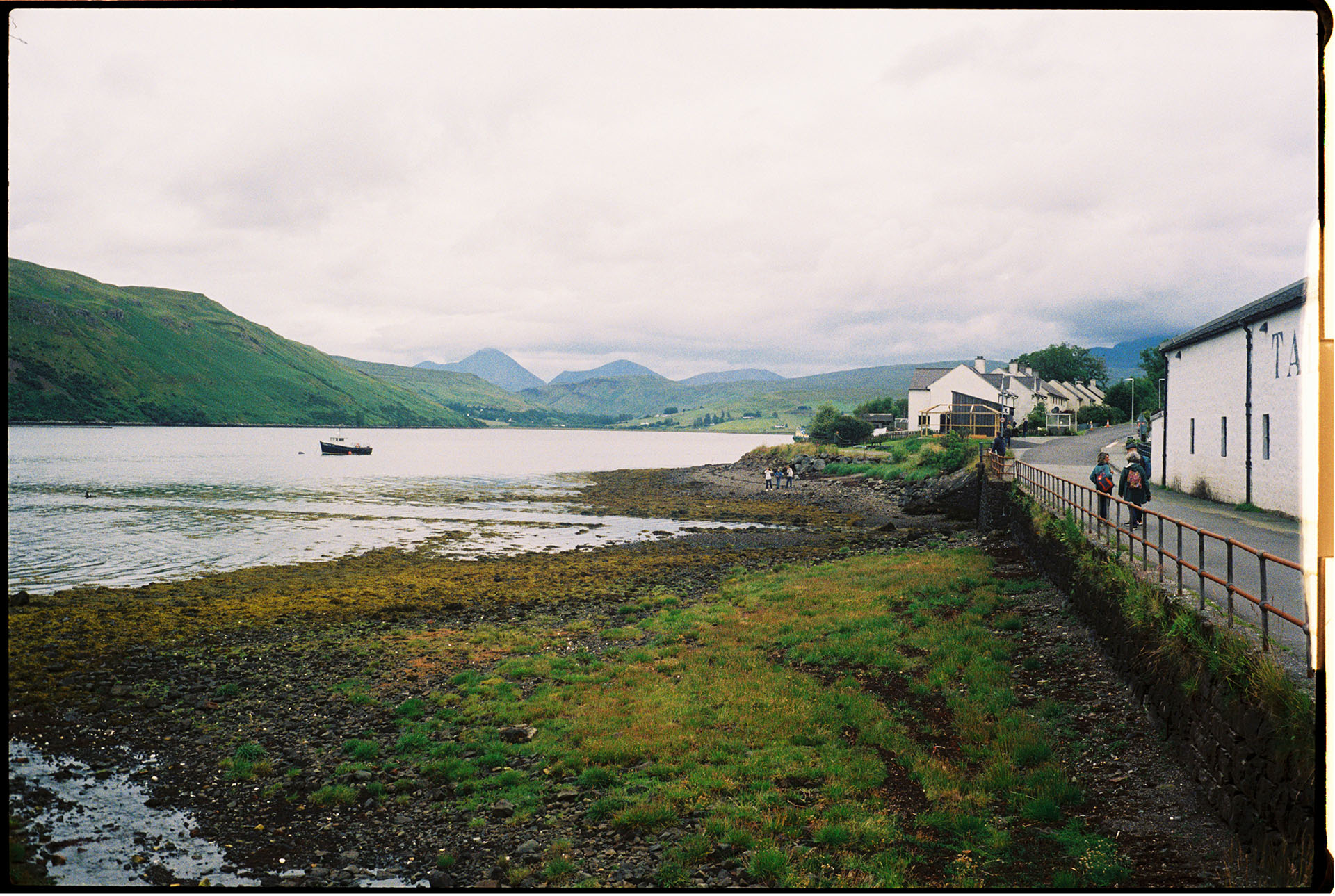
Skye has become an incredibly popular destination for tourists, particularly over the past few years – and so I expected to see a lot of visitors while we were there. However, I was struck by just how disproporionate the volume was in relation to the facilities that are available on the island. For example, many of the roads are made up of challenging single track routes, and the car parking at many of the attractions was nowhere near adequate for the number of vehicles trying to jam their way in. I couldn’t believe how many huge RVs we saw attempting to manouevre the twists and turns of these country lanes – places that seemed wholly inappropriate for them to be. On top of that, people were often completely ignorant of basic common sense – wandering about the middle of the road, blocking passing spaces to take photographs, or changing direction at the last minute. Despite being fairly comfortable with driving in rural conditions, the extent to which I had to drive defensively meant that by the end of each day I was completely knackered.

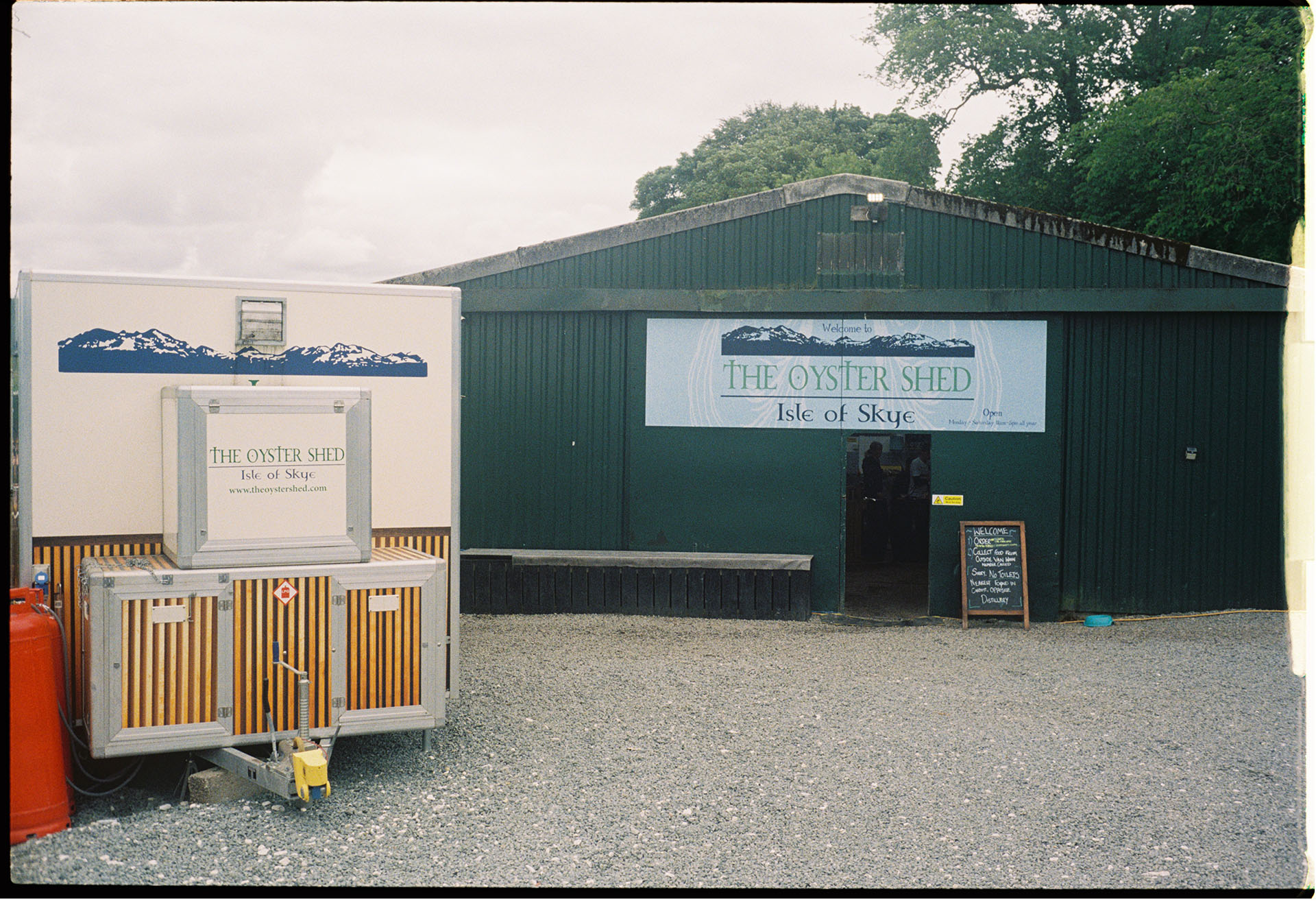
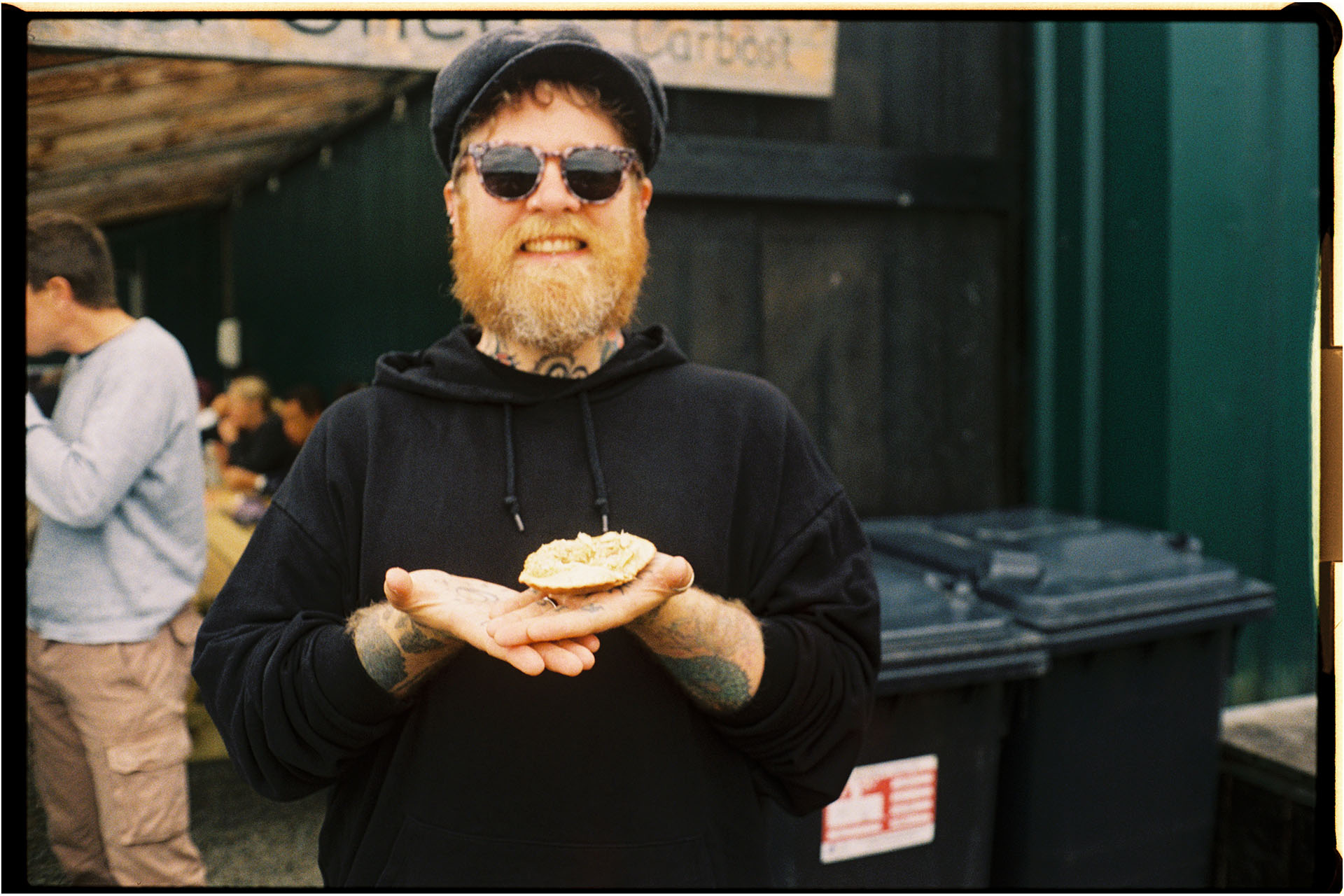
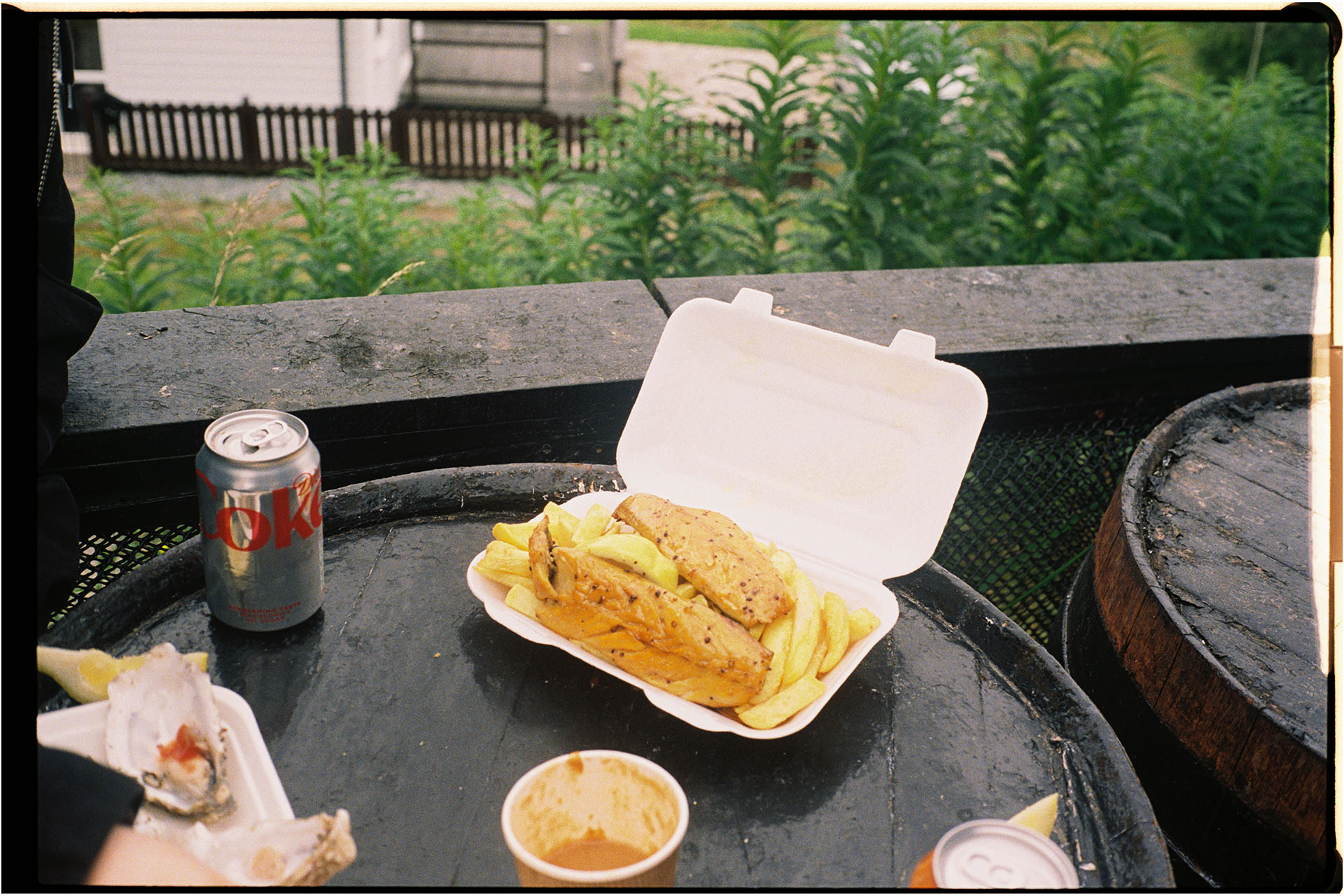
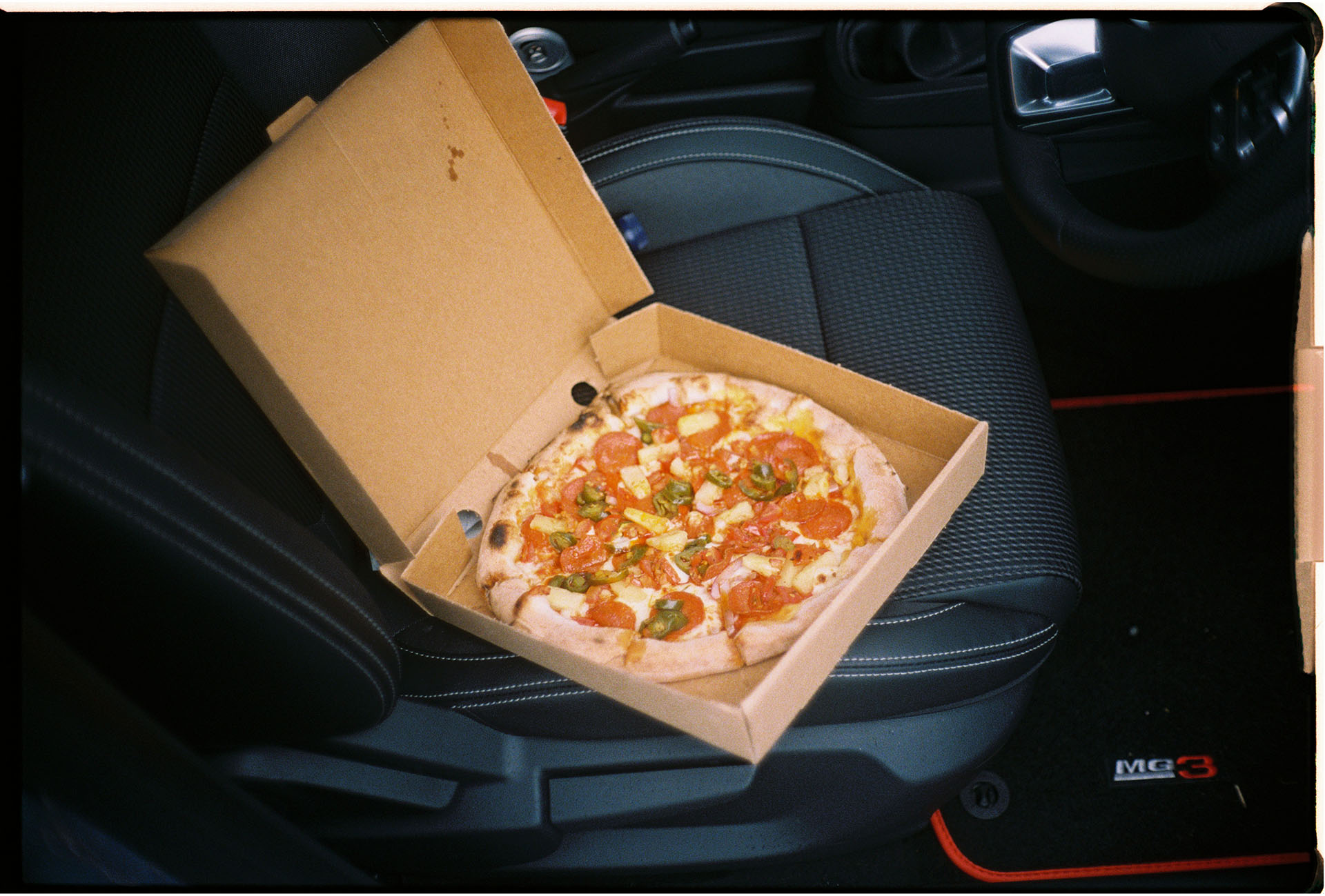
In a similar vein, there is also a markedly limited number of restaurants and shops available on Skye – something that includes supermarkets and petrol stations. This is fairly normal for more ‘remote’ communities of course, but felt incongruous with the number of visitors that now descend on the island annually. It’s all well and good to sell the rugged, isolated beauty of the Scottish highlands as a destination to boost the economy – but there doesn’t seem to have been anywhere near enough considered investment in the infrastructure required to support such an initiative. In all honesty, whilst parts of Skye were incredible, it also felt like some of the magic and authenticity had been eroded as a direct result of mass tourism. A sentiment that was echoed by the locals that we got speaking to (of which there were very few). We got some good recommendations for places to eat in the end, including a literal oyster shed, and sourdough pizza from a food truck situated in the most heavily midge-laden location you can imagine. You might not think that this sounds very traditional, but eating takeaway in your car whilst it pishes down with rain is about as Scottish as it gets.


Despite my general misgivings about the impact of overtourism, it wasn’t all bad – and you can see why some of the more famous locations have become so popular. The fairy pools are one such example, with almost unbelievably clear aqua blue water cascading down the hillside in a series of waterfalls.
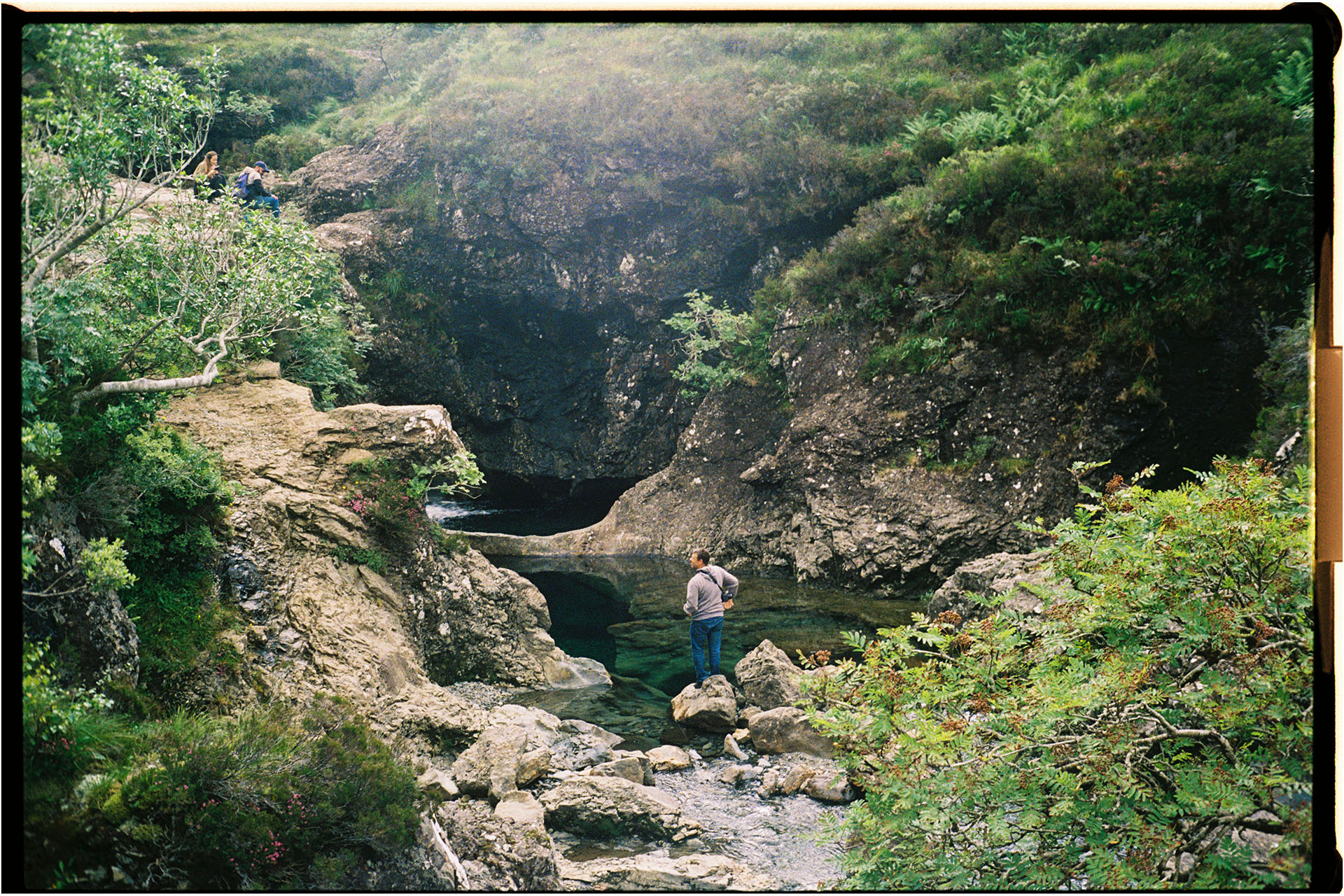
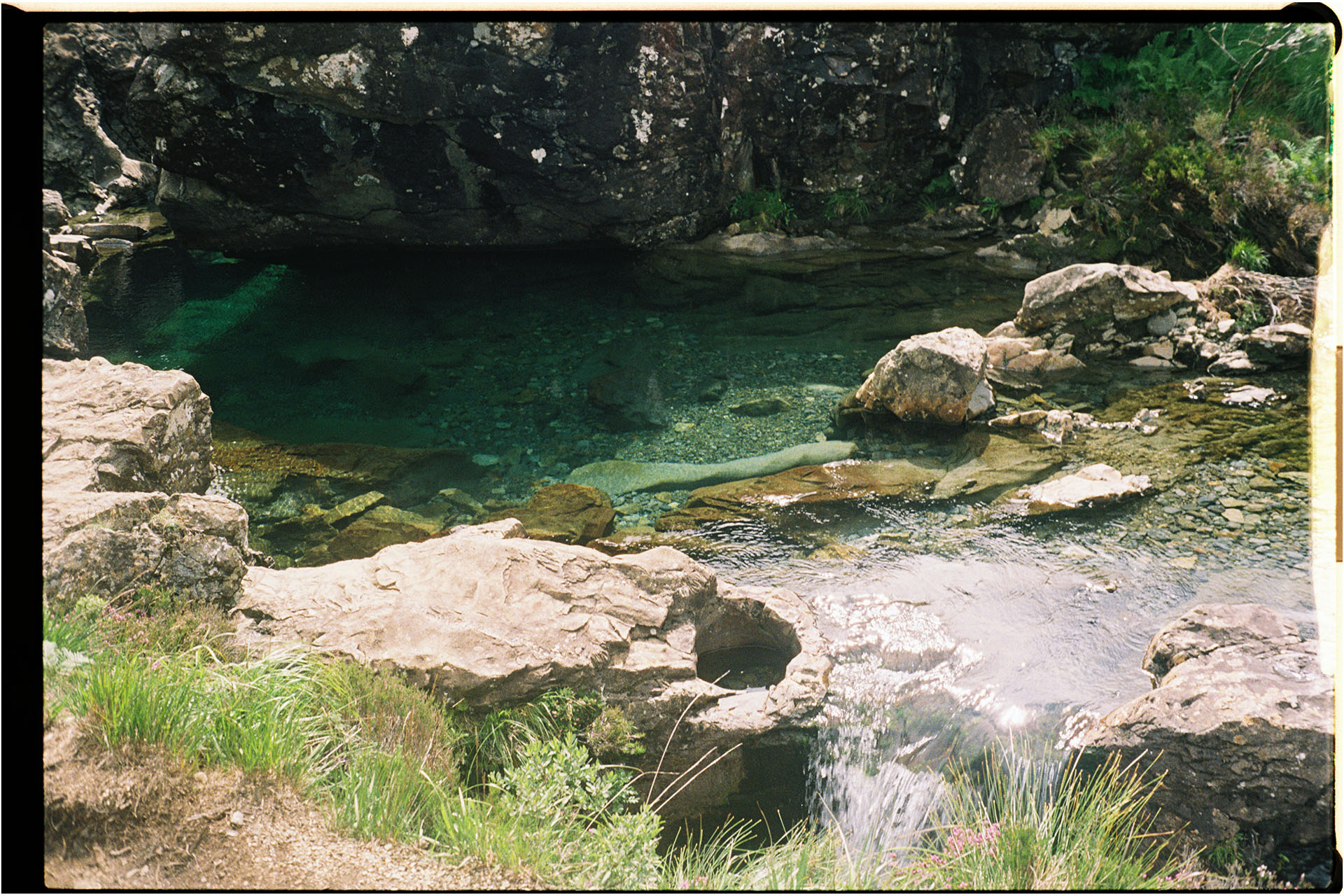
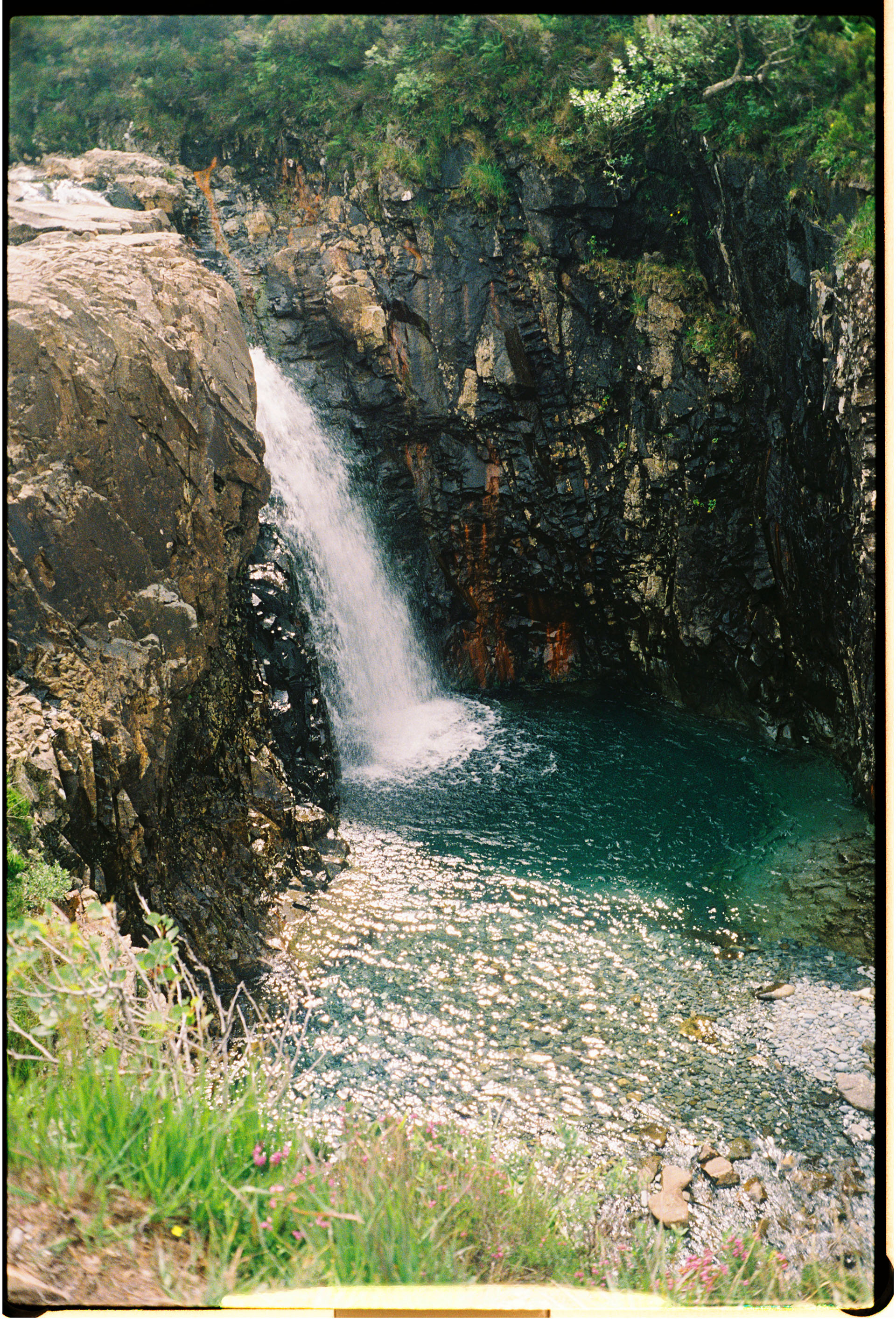
There is a path that leads up to and then snakes alongside the water, and it was an easy hike even for me, which is saying something.
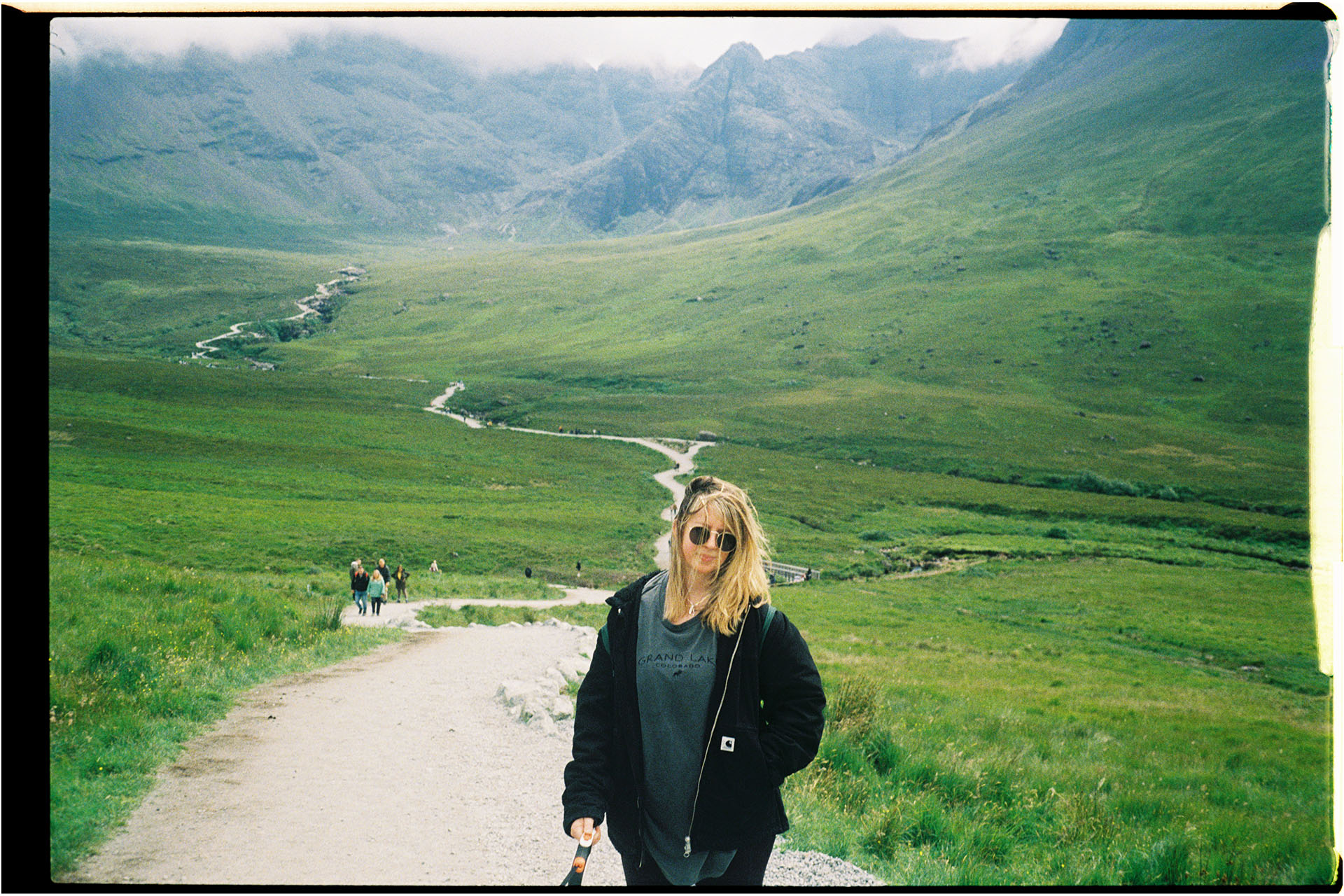

The fairy pools is also one of the better equipped ‘attractions’ on Skye, which even though it is also down a long single track road, has a large, dedicated car park, toilets, and even a shelter with a view for those with mobility issues. This is the kind of investment that is needed to ensure that access is sustainable… but the total cost of constructing such a thing was apparently £800,000, a truly eye-watering sum.
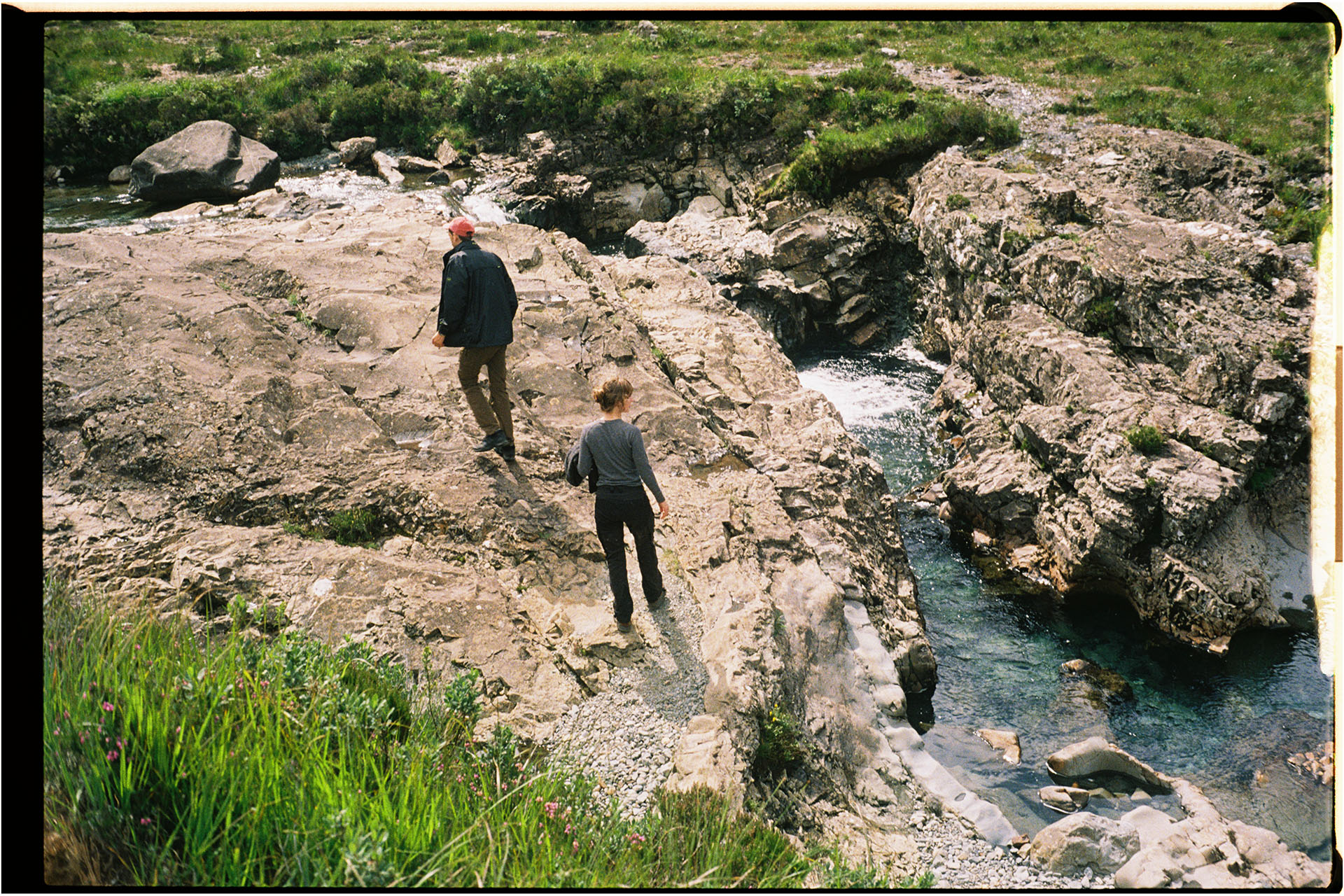
Something that I didn’t realise until later was that the fairy pools lie at the site of an infamously gruesome battle between the MacLeods of Dunvegan and the MacDonalds of Sleat. So violent was the fighting that legend says the pools ran red with blood… ultimately leading to the cessation of a feud between the two clans.
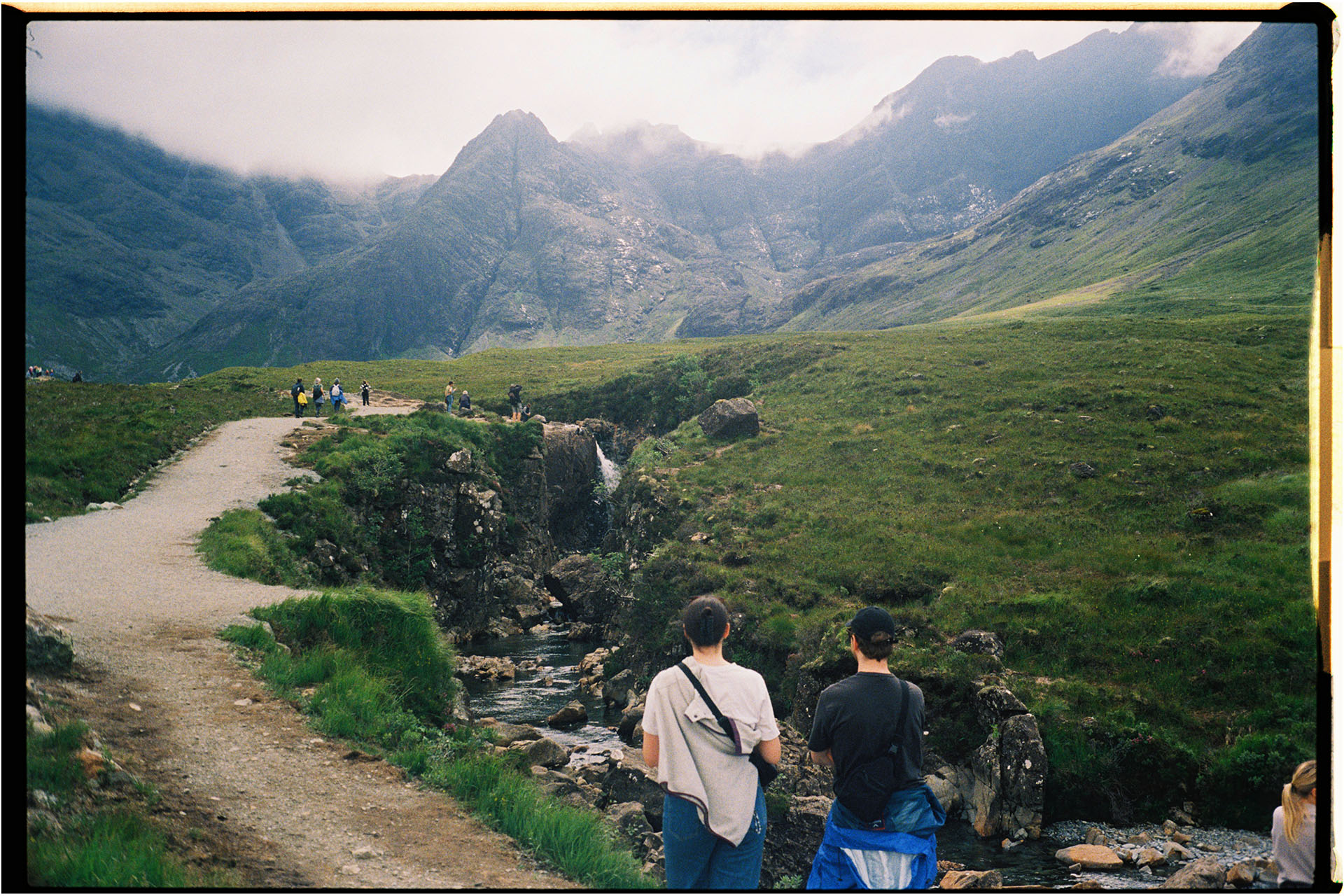
As you may have noticed, I am one Stephen McLeod, and so all of this history is of particular interest to me, and I was especially interested in visiting Dunvegan Castle as a result. It is the oldest continuously inhabited castle in Scotland, and has been home to the MacLeods for over 800 years.

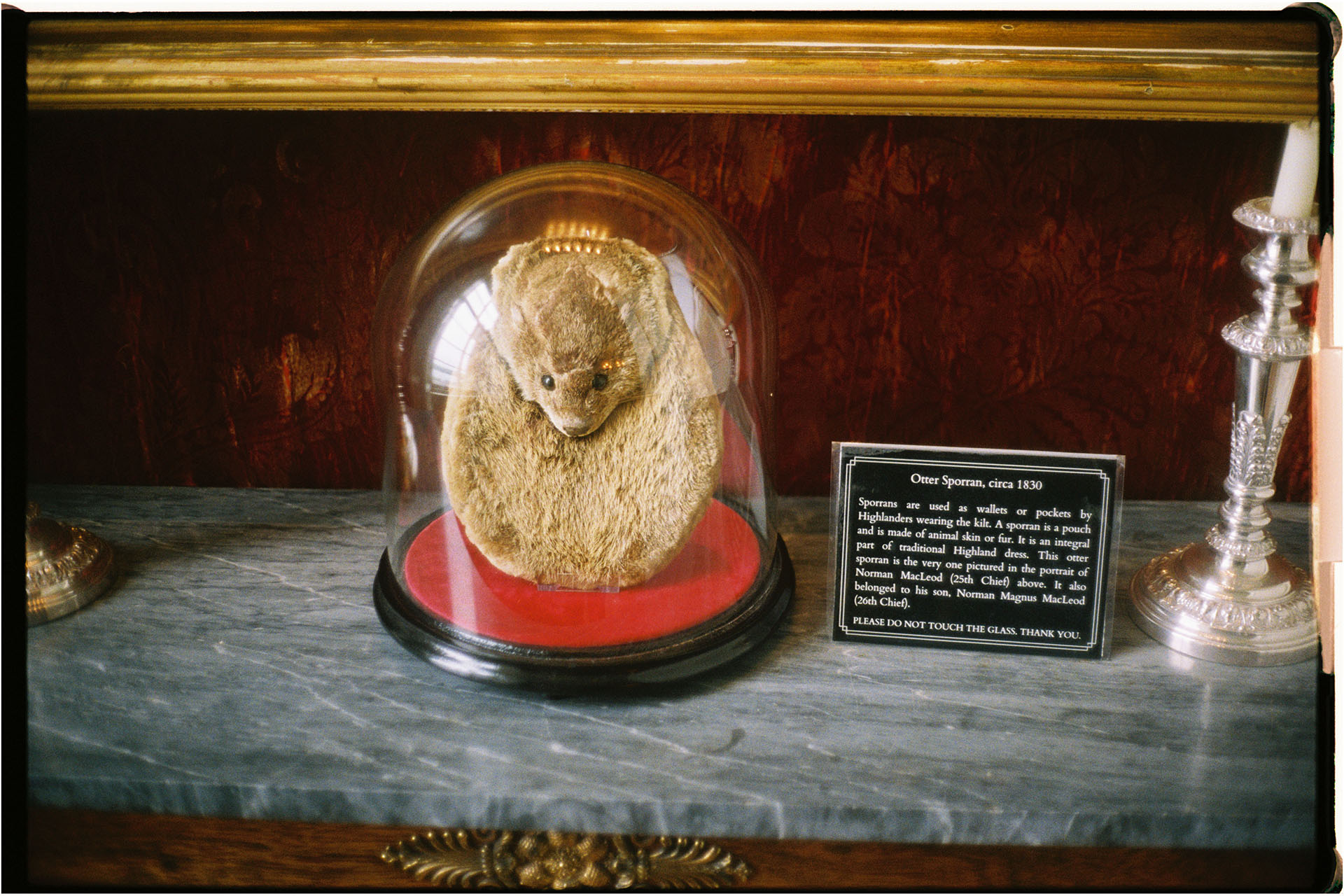
Grace and I both agreed that the castle was one of the most interesting that we’ve visited in Scotland, partly because it has been so well preserved. There were all sorts of weird and wonderful artefacts scattered around the various rooms. My favourite was this rather peculiar otter sporran from 1830. I wonder if I could get one of these for my own kilt… though I suspect that would be frowned upon. Maybe I could lay my claim to it as a descendant.
I’ve never known much about my ancestry, for a variety of reasons. Looking back into time has always felt kind of irrelevant for a start, and I am certainly not going to readily give up my DNA to a company like 23andme any time soon. On top of that, there is something about the clan system which is inextricably tied up in position, power, and privilege that I fundamentally reject. I don’t recognise or accept the authority of any clan chief, and in many ways resent the inherent implication that exists by their existence… one which so many others appear keen to accept.
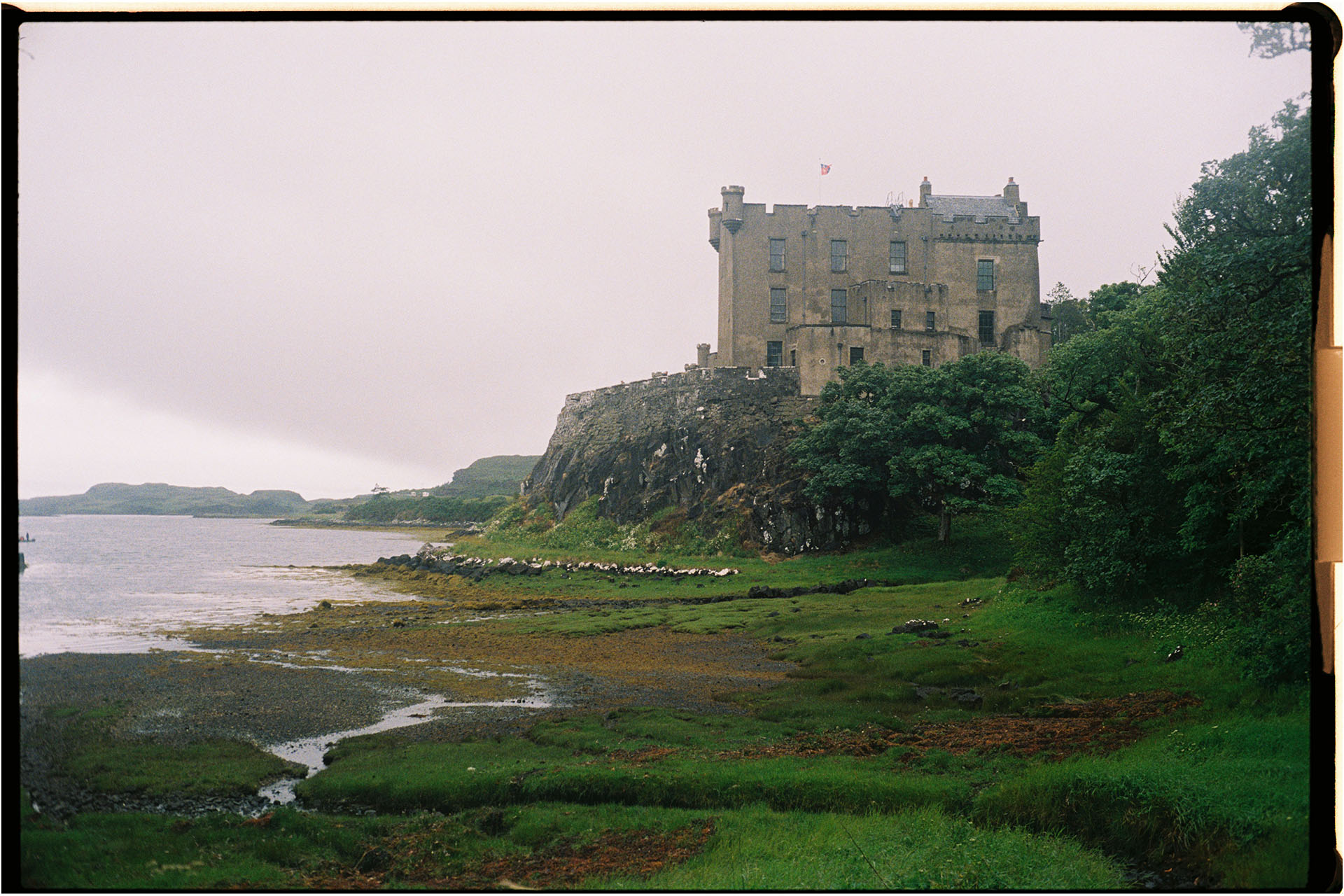

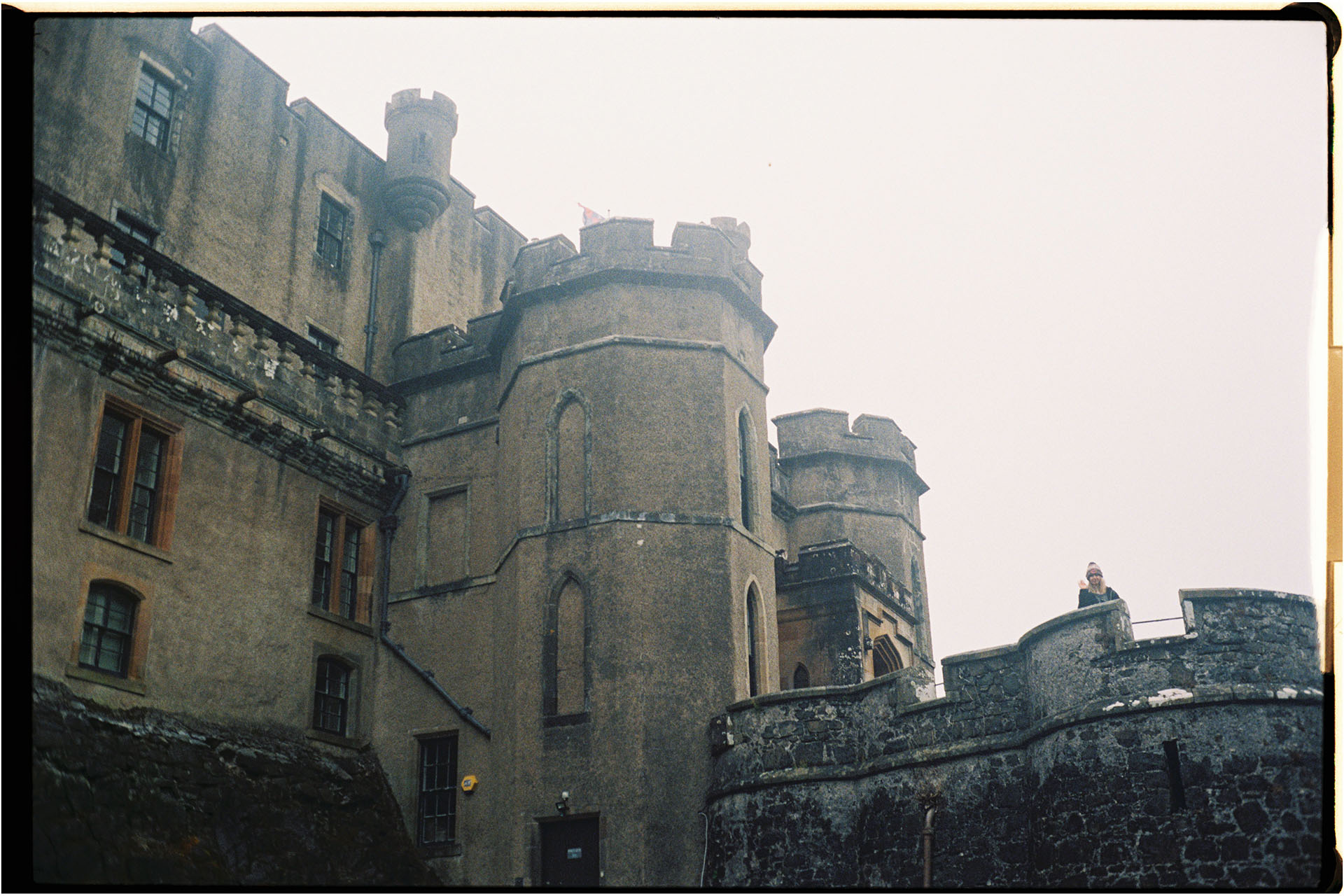
With all of that said… visting Dunvegan did feel special, because it was the first tangible link I have ever experienced with some of my family’s history in such a clear way. There isn’t much evidence of the MacLeods in the central belt after all, and after almost 40 years of the name being nothing more than a name, it was surreal to suddenly be surrounded by such a concrete physical manifestation of the same. Pictures of famous MacLeods. Tales of specific battles and legends. People dressed in the same tartan that I got married in asking if I would sign the ‘Register of MacLeods’. Belts that resemble one that was passed down from my McLeod grandfather in glass cases. I can see how folks can get swept up in the romanticism of it all – a connection to something greater than your immediate life. There’s no danger of me attending any clan gatherings any time soon, but I might make a bit more effort to learn more about the McLeod history in future.
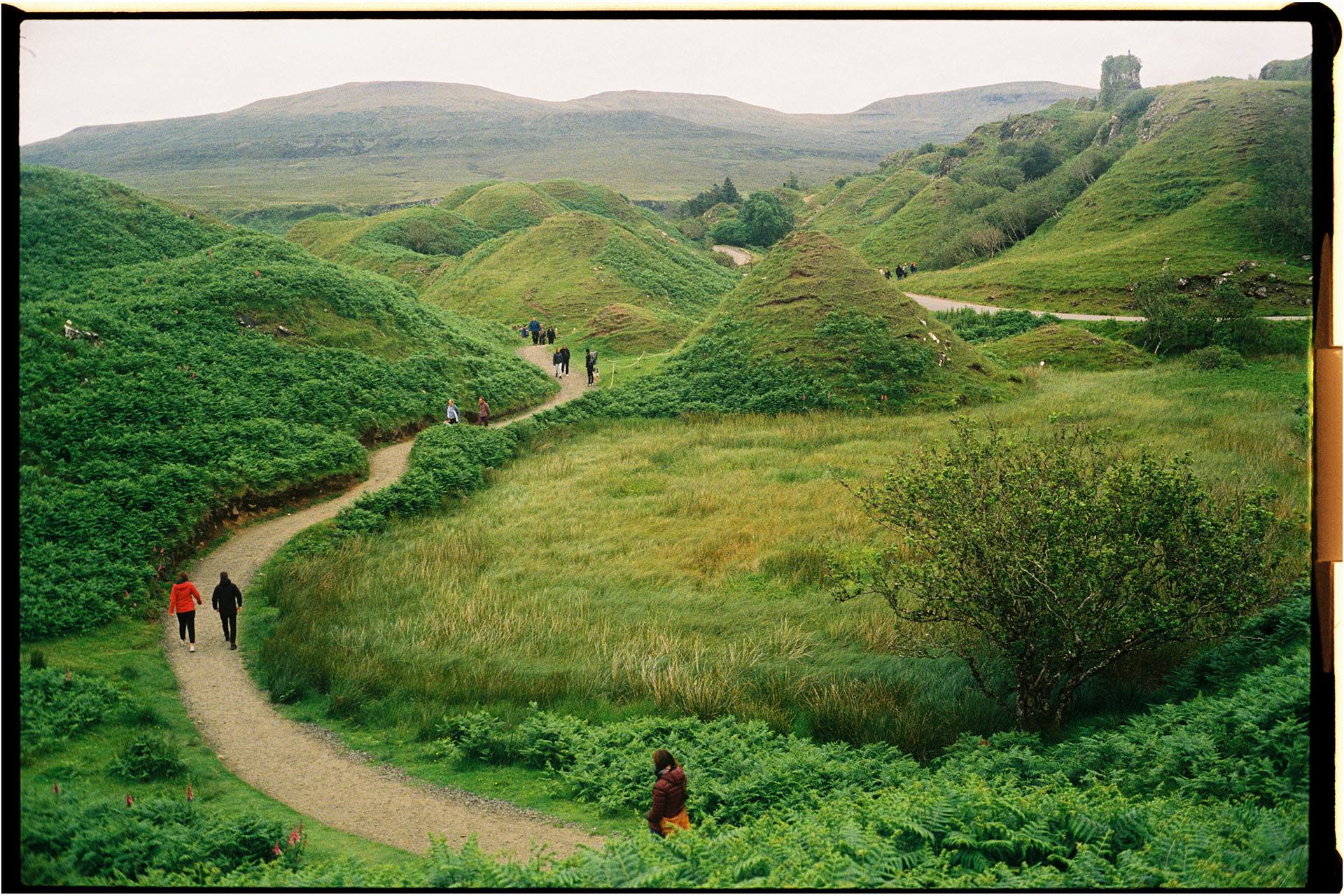
Another place we visited which was well worth the trip was the Fairy Glen, which is close to Uig, in the north of Skye. Here, the landscape is marked by a distinctive series of surreal shapes and contours. Despite looking like they have been deliberately crafted as part of some kind of sculpture garden, they are an ancient and natural phenomenom – apparently formed from glacial land slips. I’ve never seen anything like it.
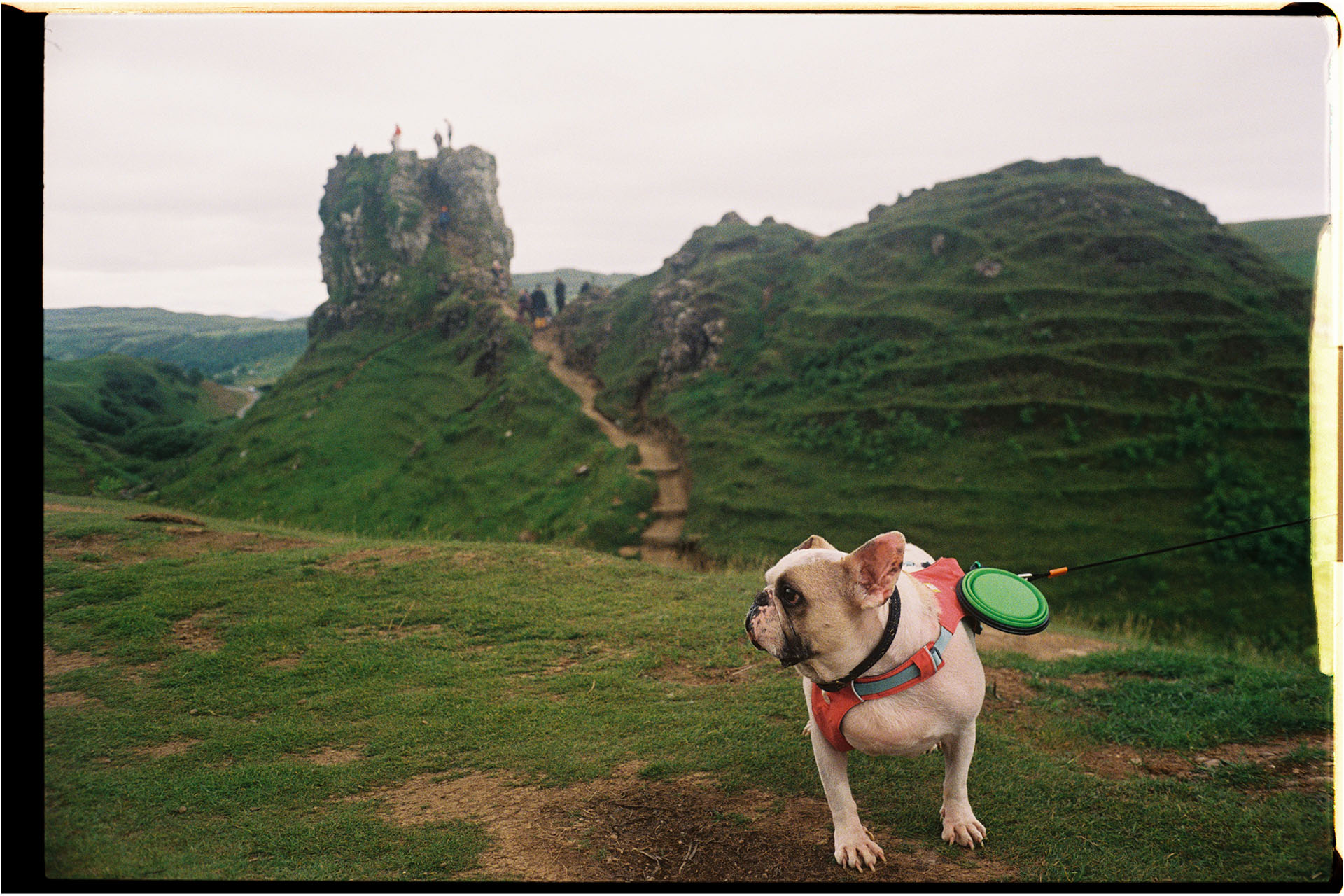

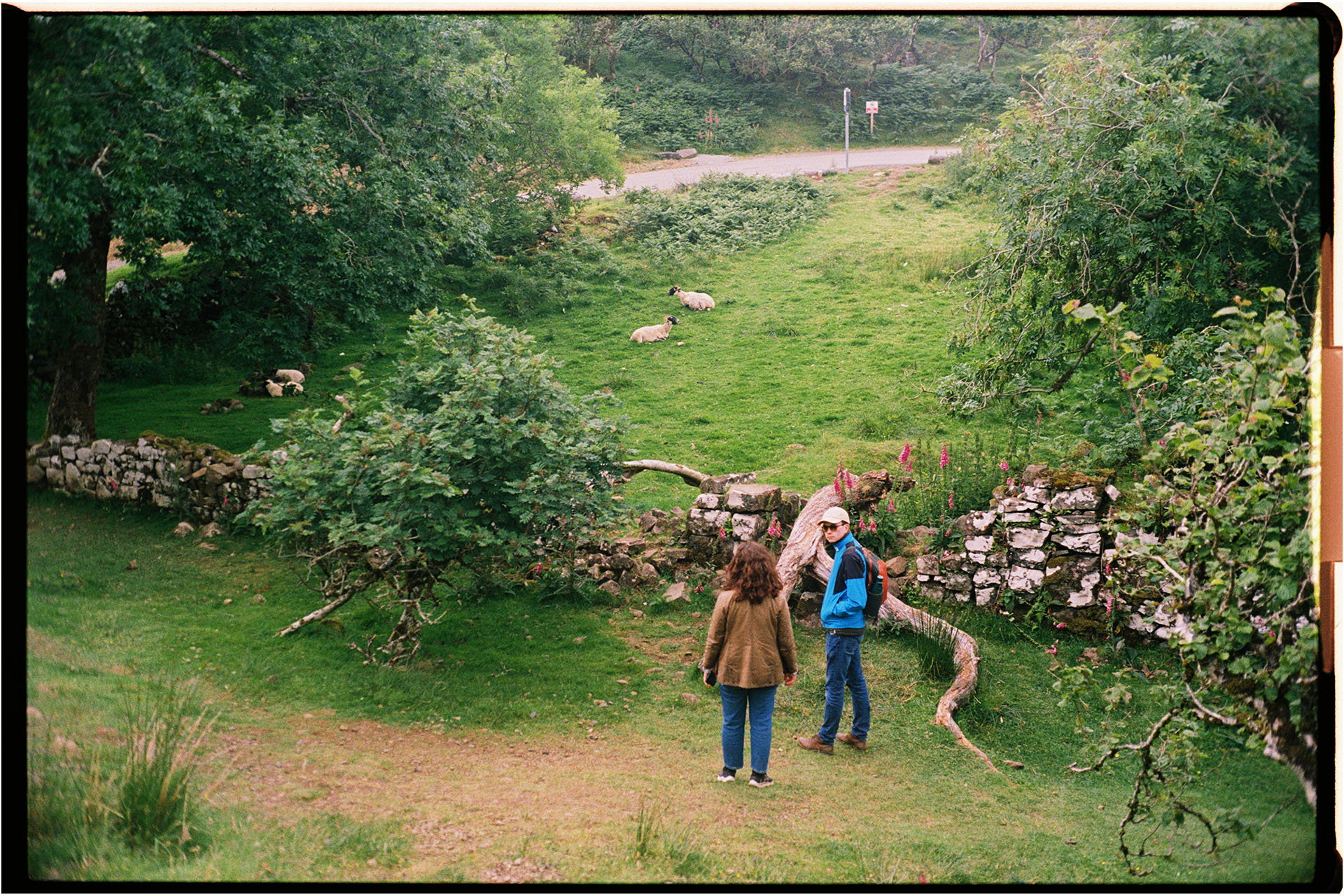


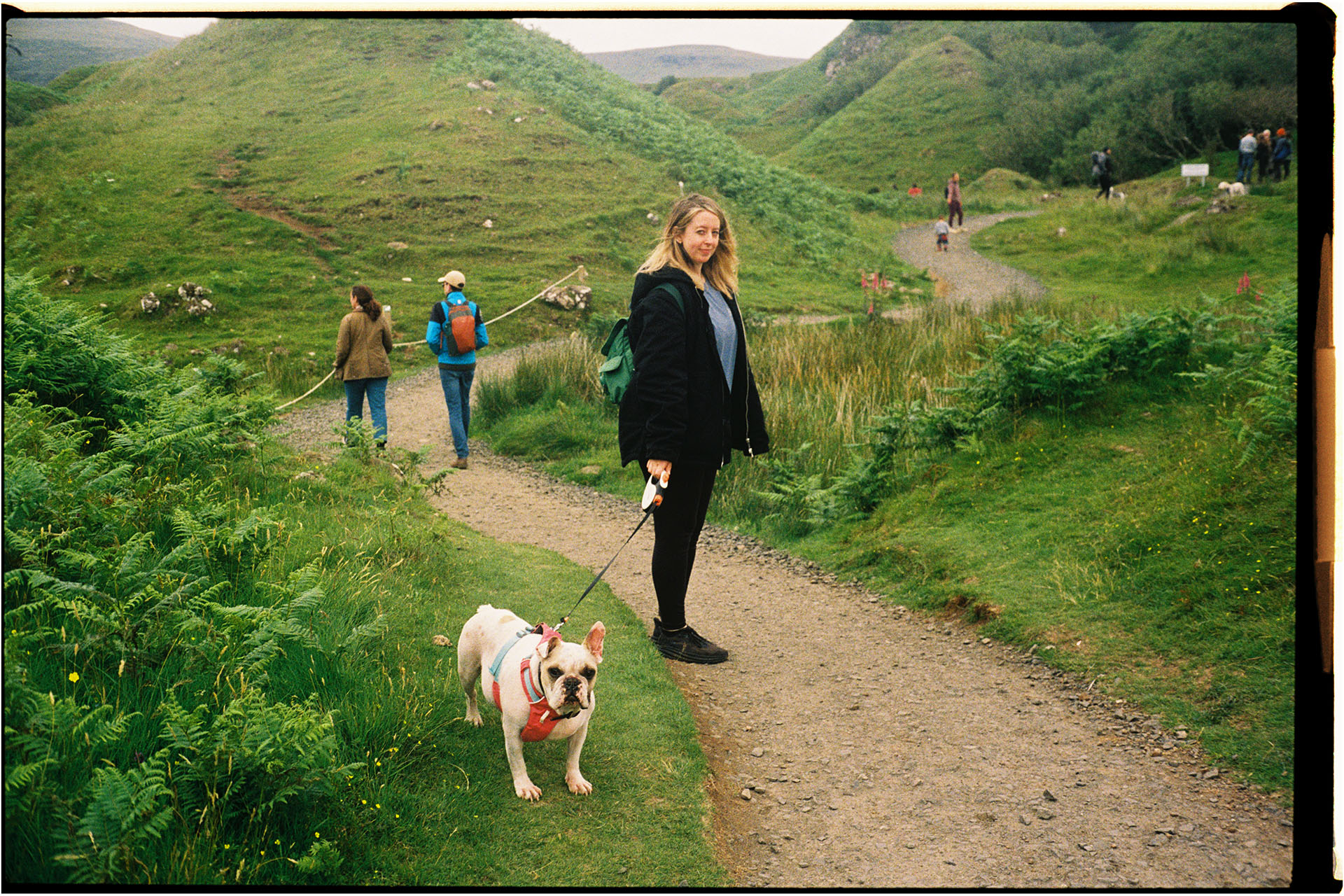
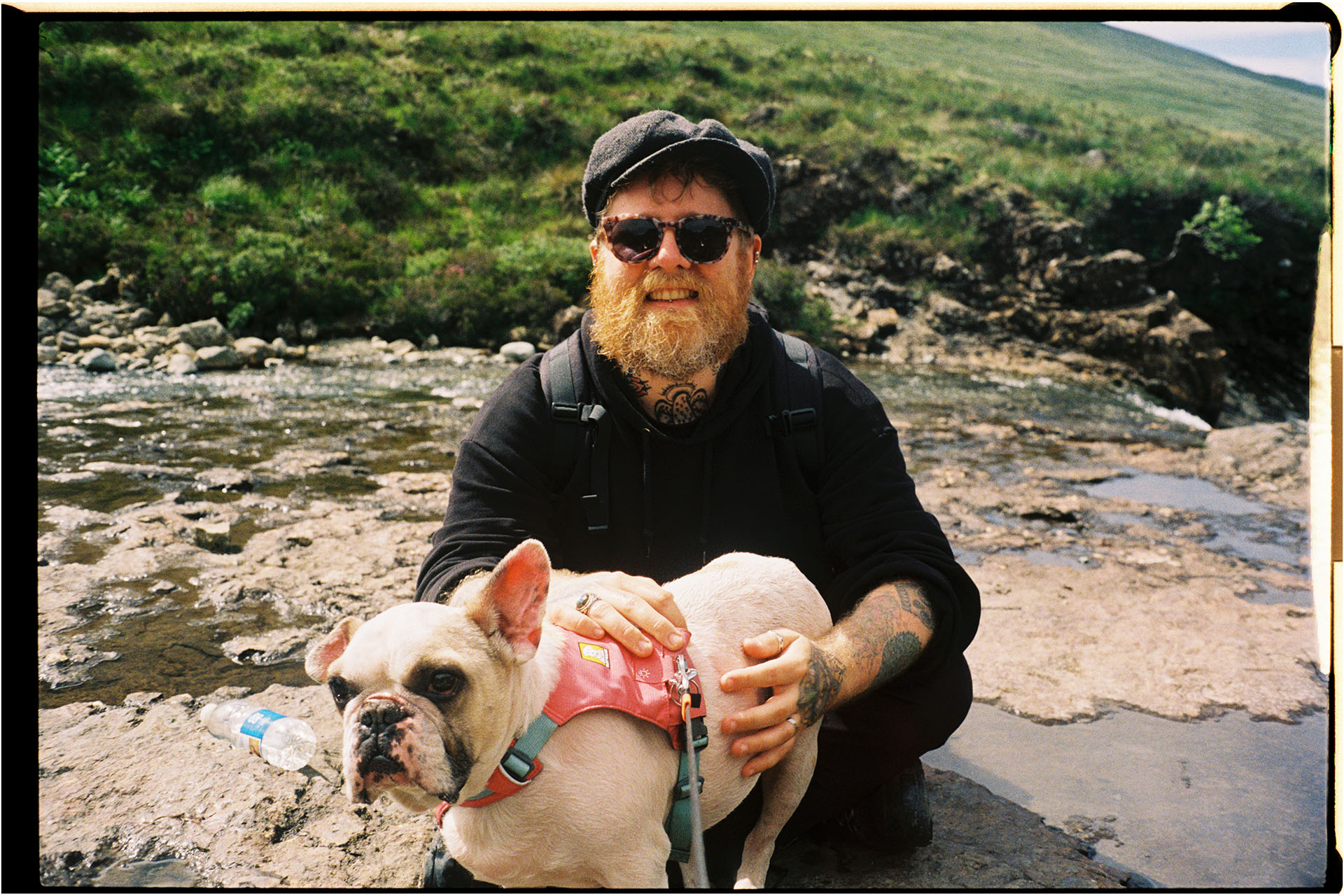
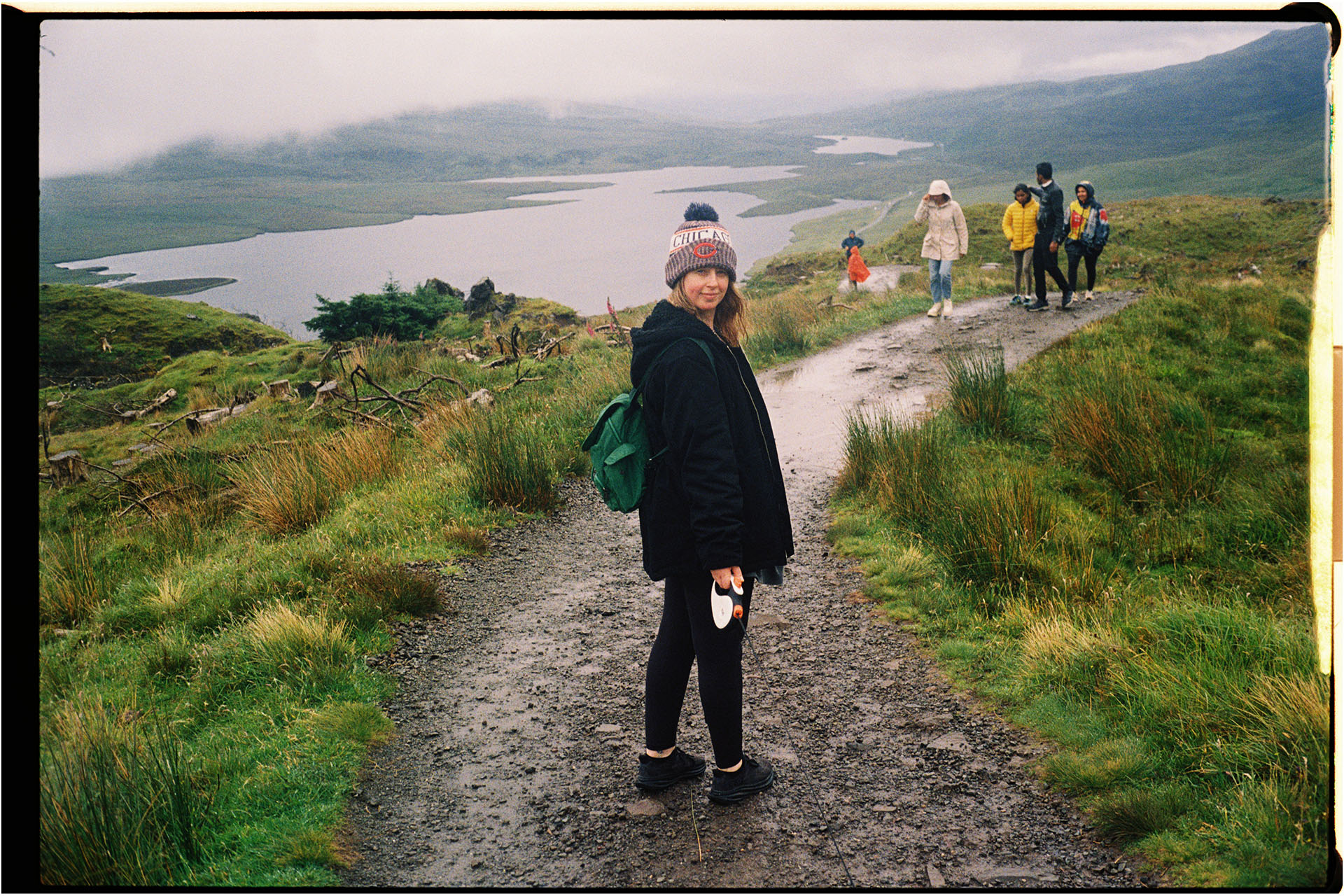
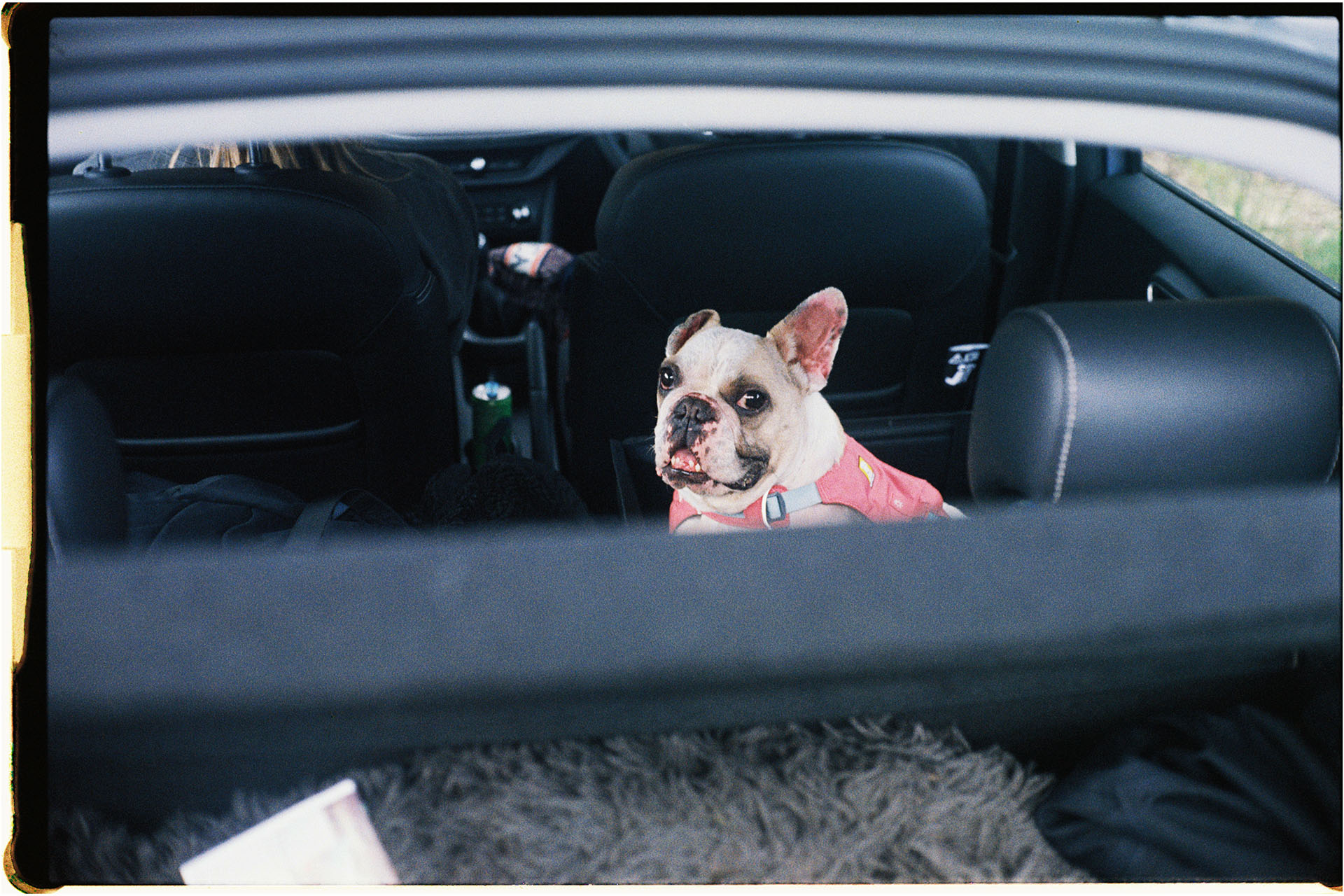
Speaking of unusual landscapes, we did make an attempt to climb the famous old Man of Storr, a spectacular rock formation which you might have seen pictures of before. Unfortunately, despite trekking our way up to the view point in the pouring rain, the mist completely obscured the summit. The final portion of the climb was pretty steep, and by this point (despite a valiant effort) our poor wee dog had indicated that he’d had enough, so we had to leave this one for another time.
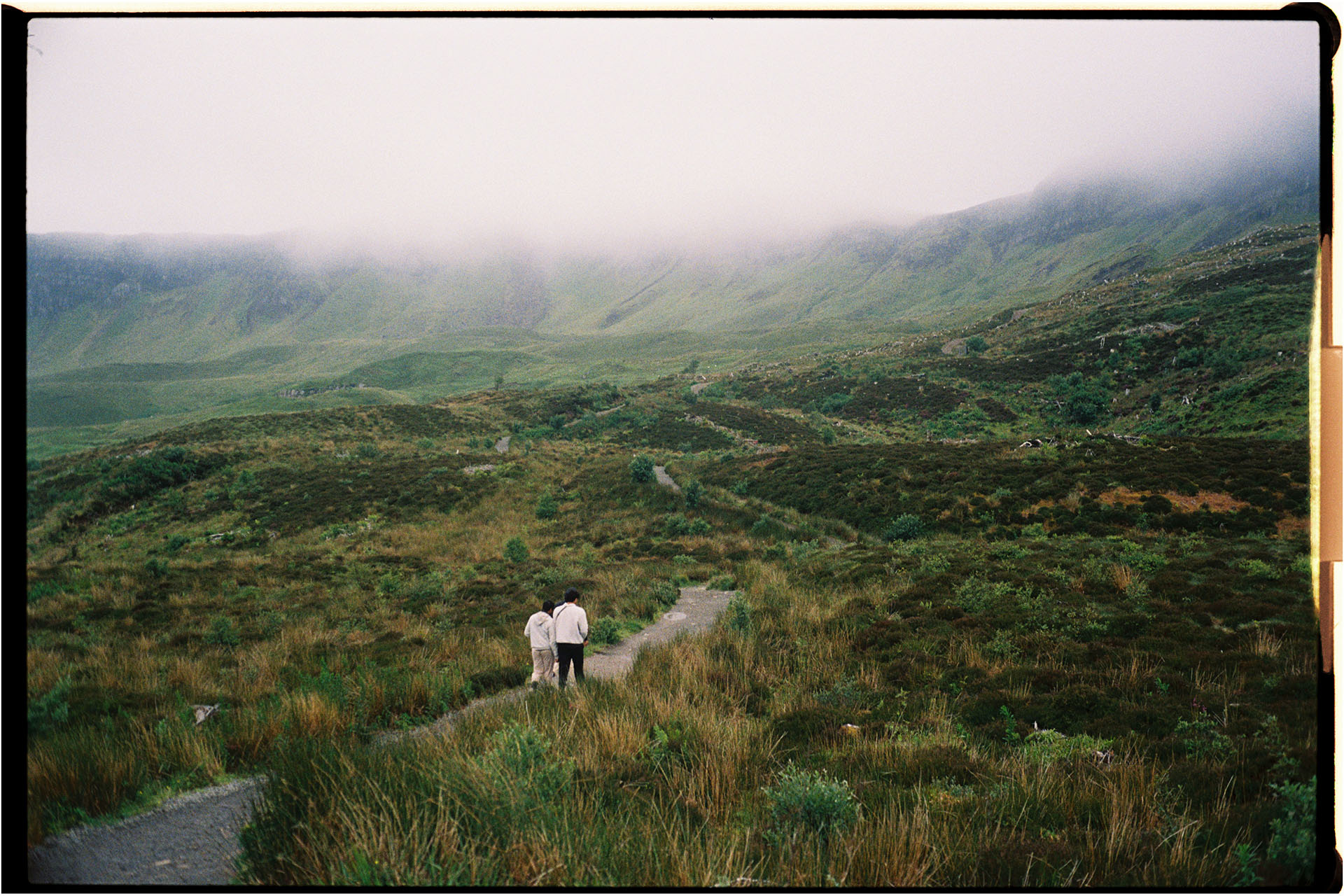
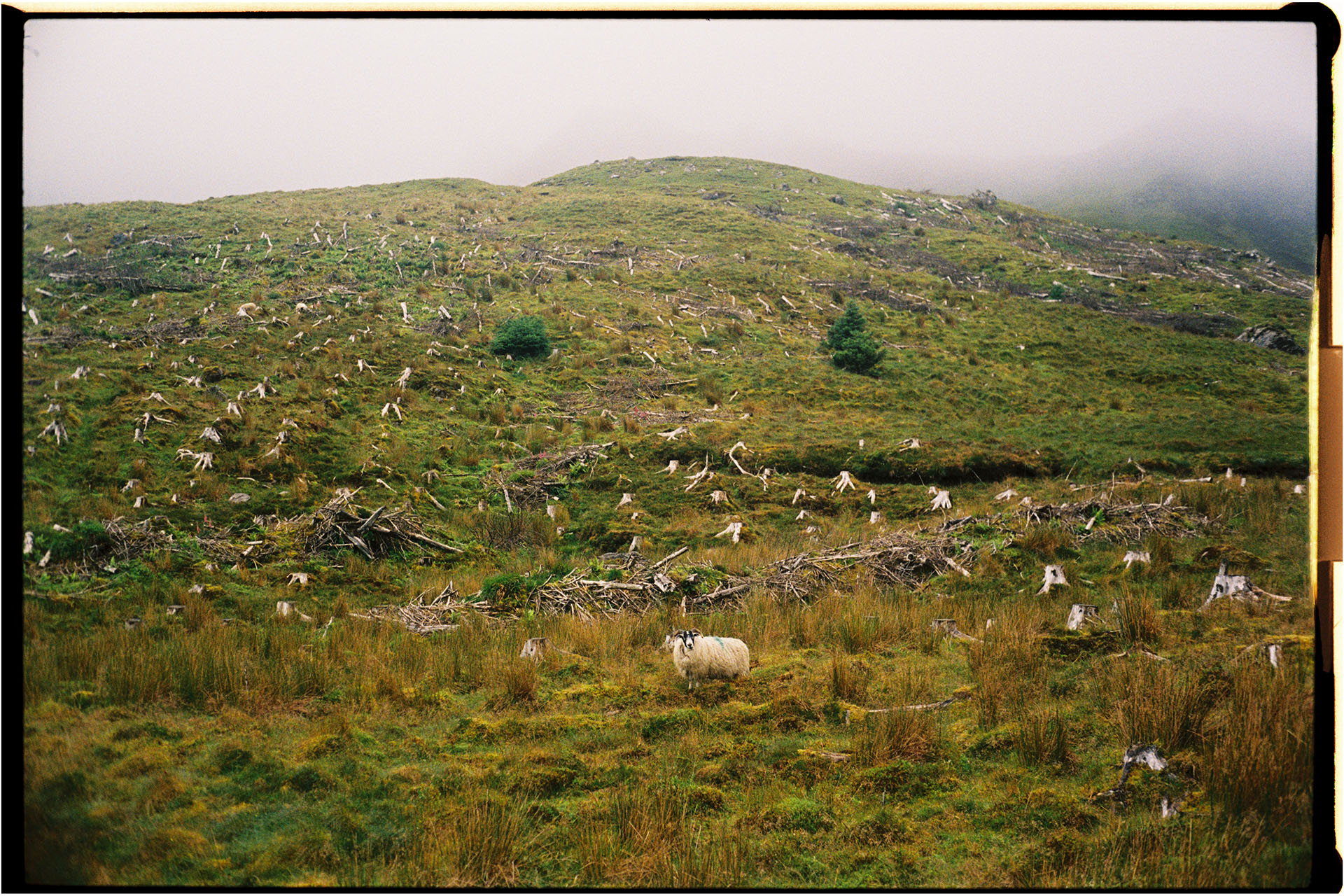

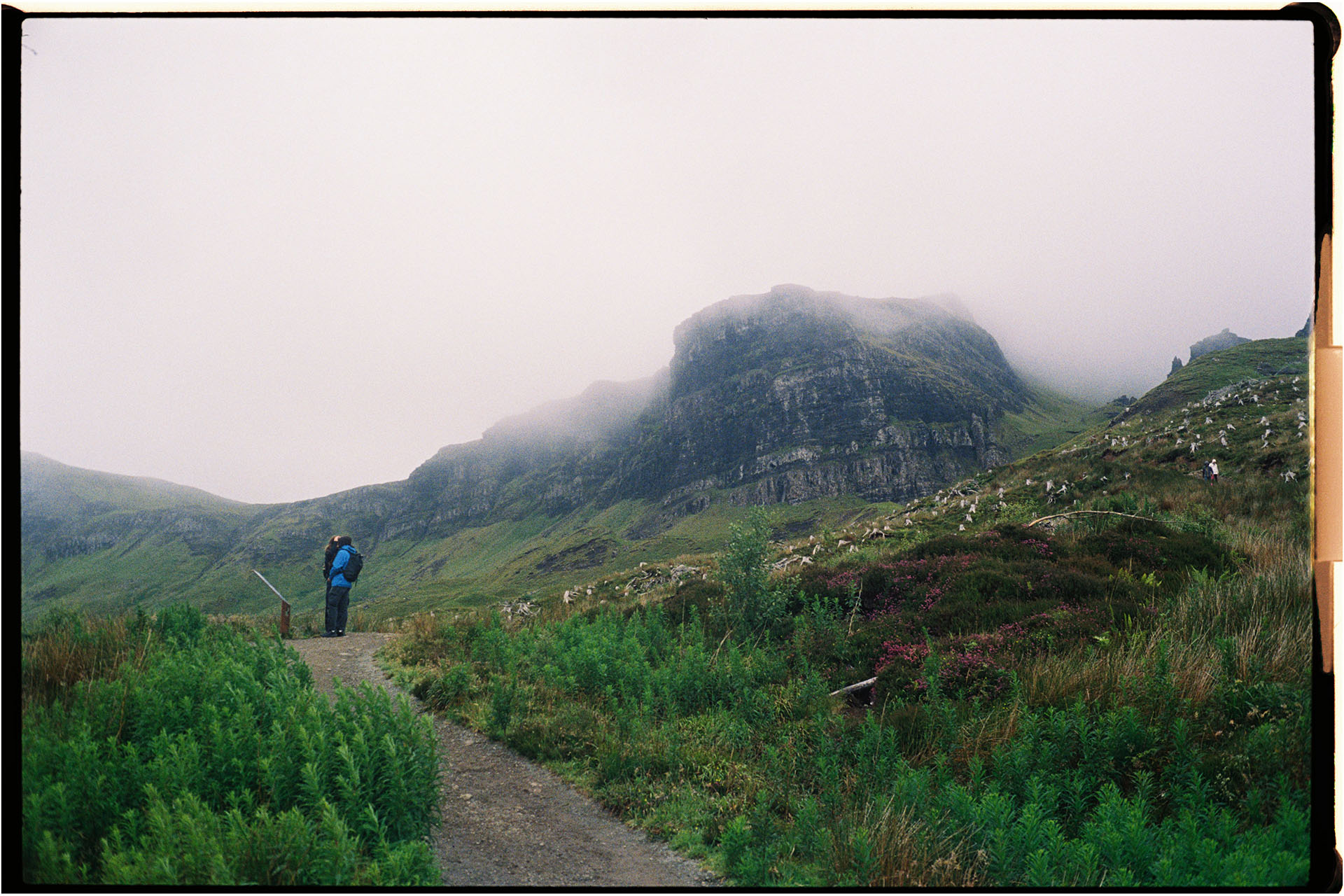
For the final portion of our adventure, we headed back to the mainland, taking the long and winding road from Skye to Badrallach, through Torridon and Gairloch. This wasn’t the quickest route, but it had some of the most incredible scenery I’ve ever seen. It wasn’t the kind of situation where you could really stop and take lots of pictures, and even if we had it wouldn’t have done it justice. We passed through markedly different areas that all felt like they were from entirely different countries. With the sun beating down, it genuinely seemed as if we could easily have been in Canada, or even South America at times. It was hard to believe that this kind of varied landscape was in Scotland, and just a few hours away from where we live. This isn’t hyperbole either. It’s the kind of thing that you just have to experience for yourself.
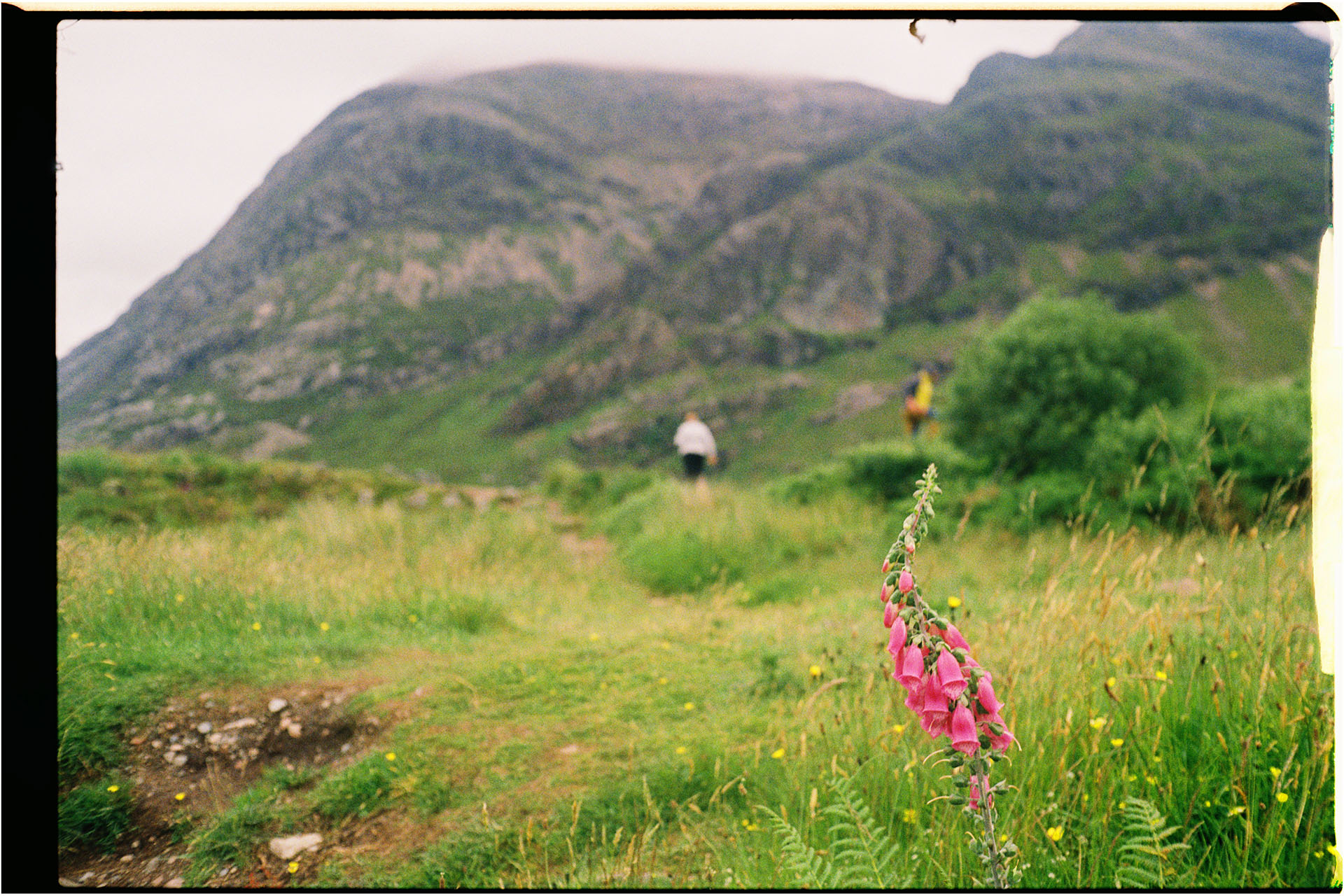

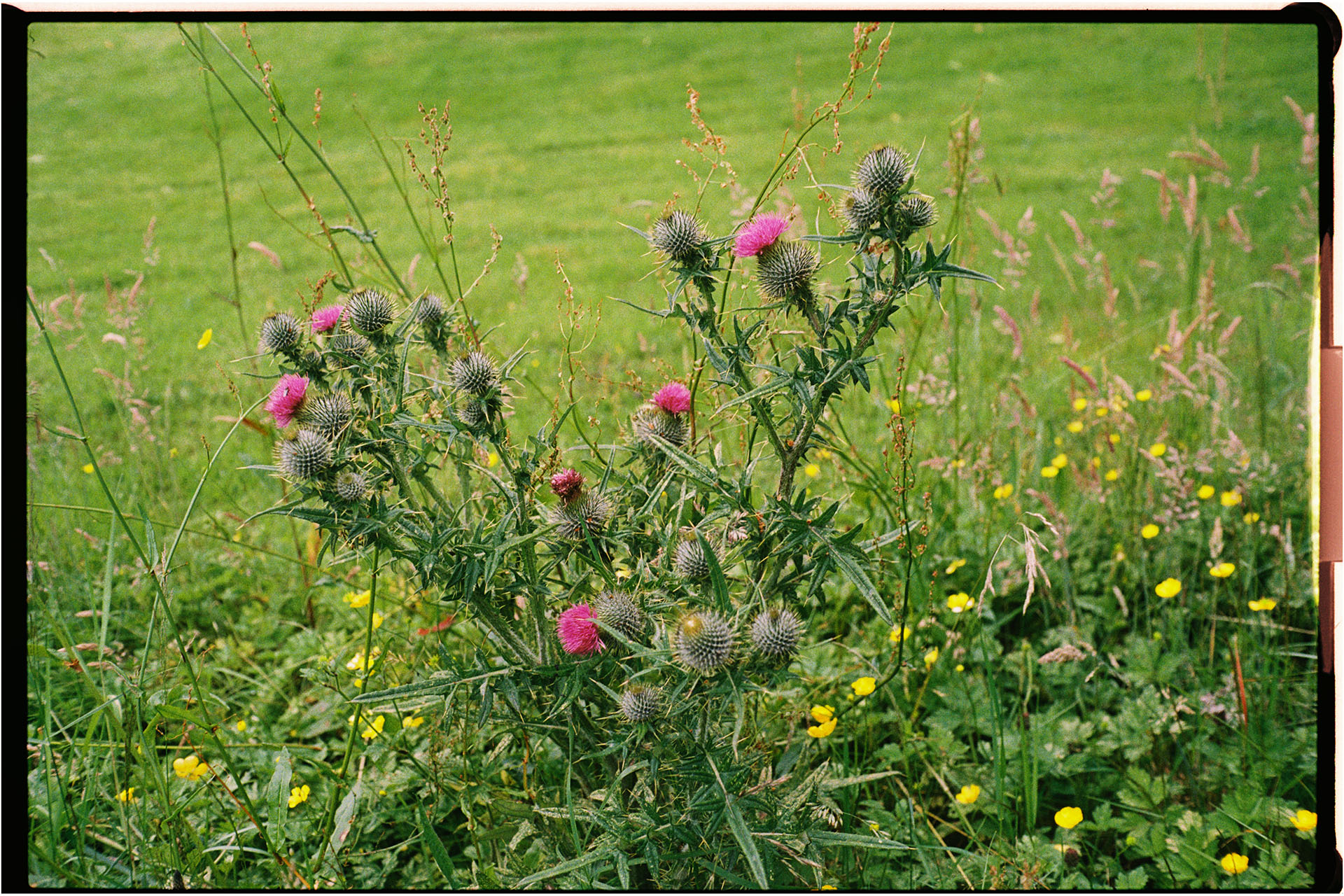
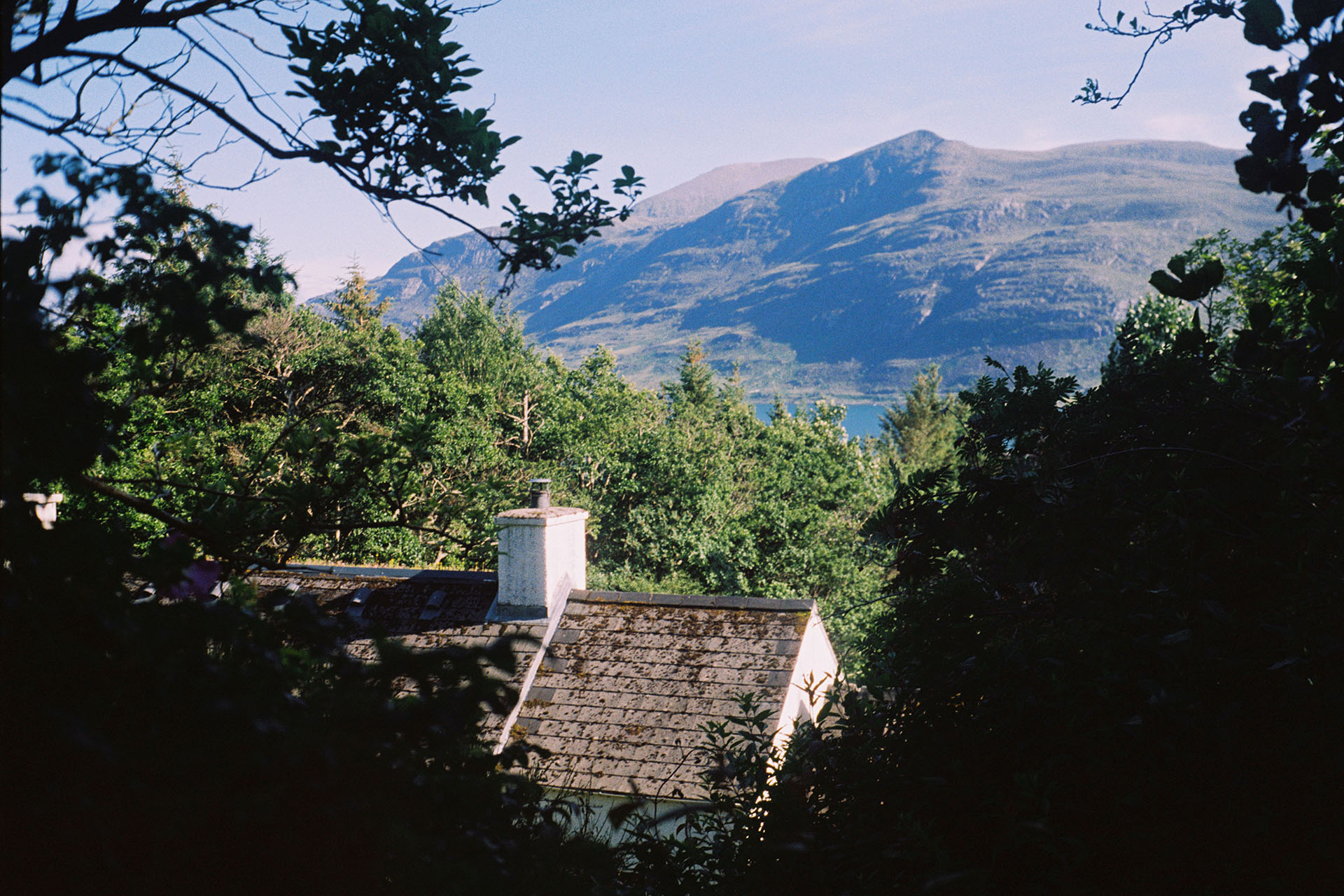
Our home for the last few days was a an AirBnB. A cabin-like hidey-hole attached to a cottage which sat at the end of an eight mile long windy single track road which traversed the side of some steep cliffs. Along the way we ran into stone bridges, sharp turns, and cows. Lots of cows.

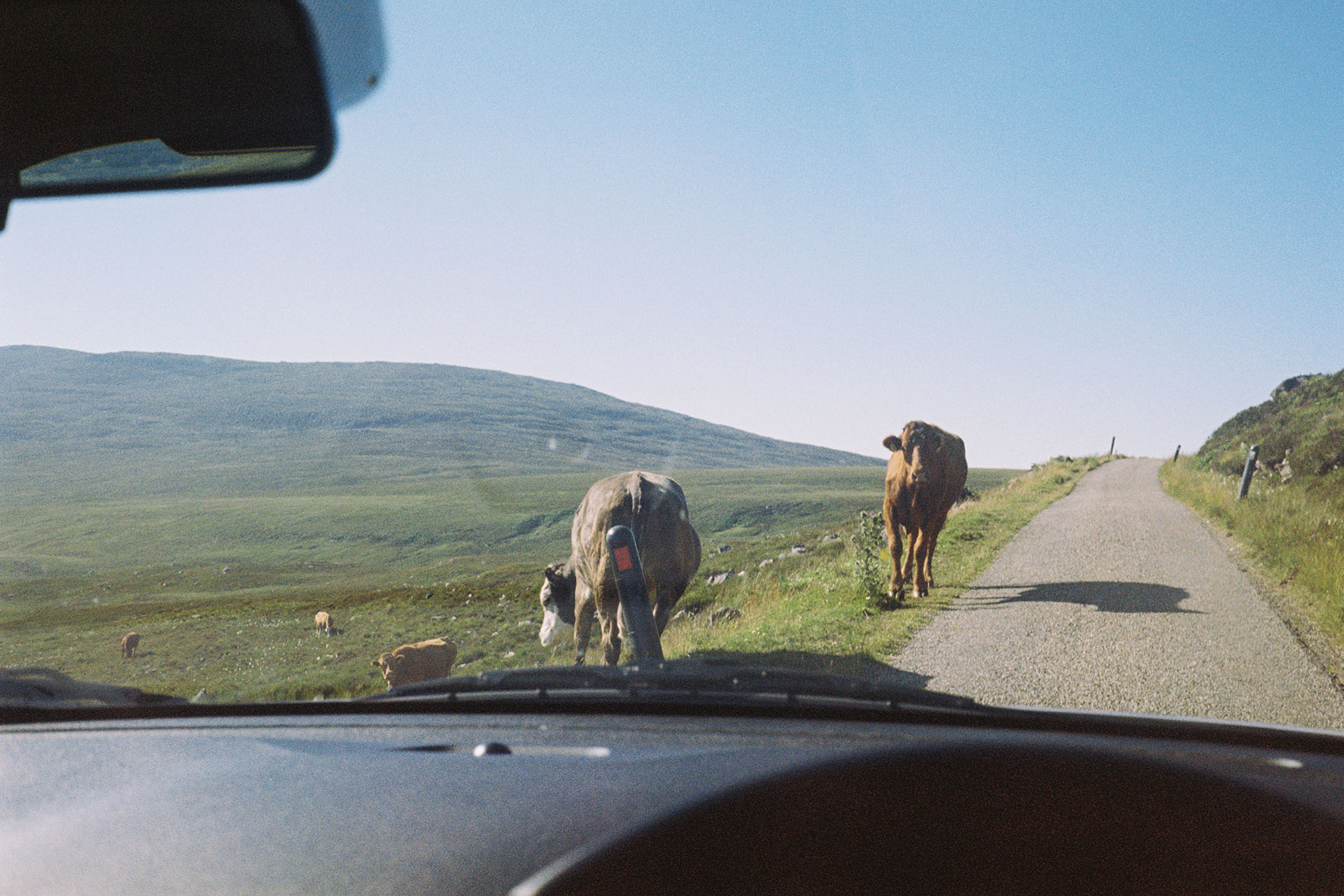
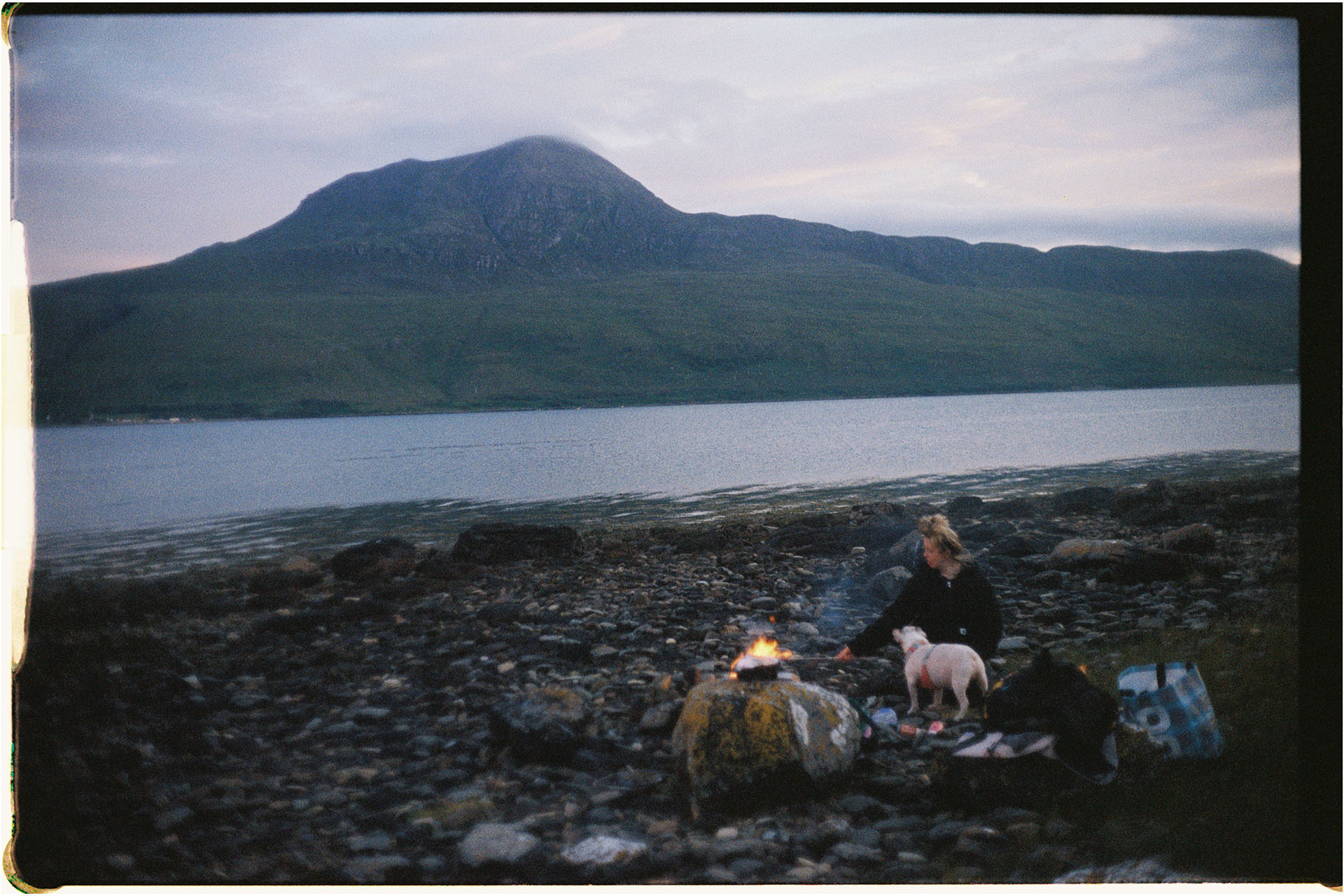
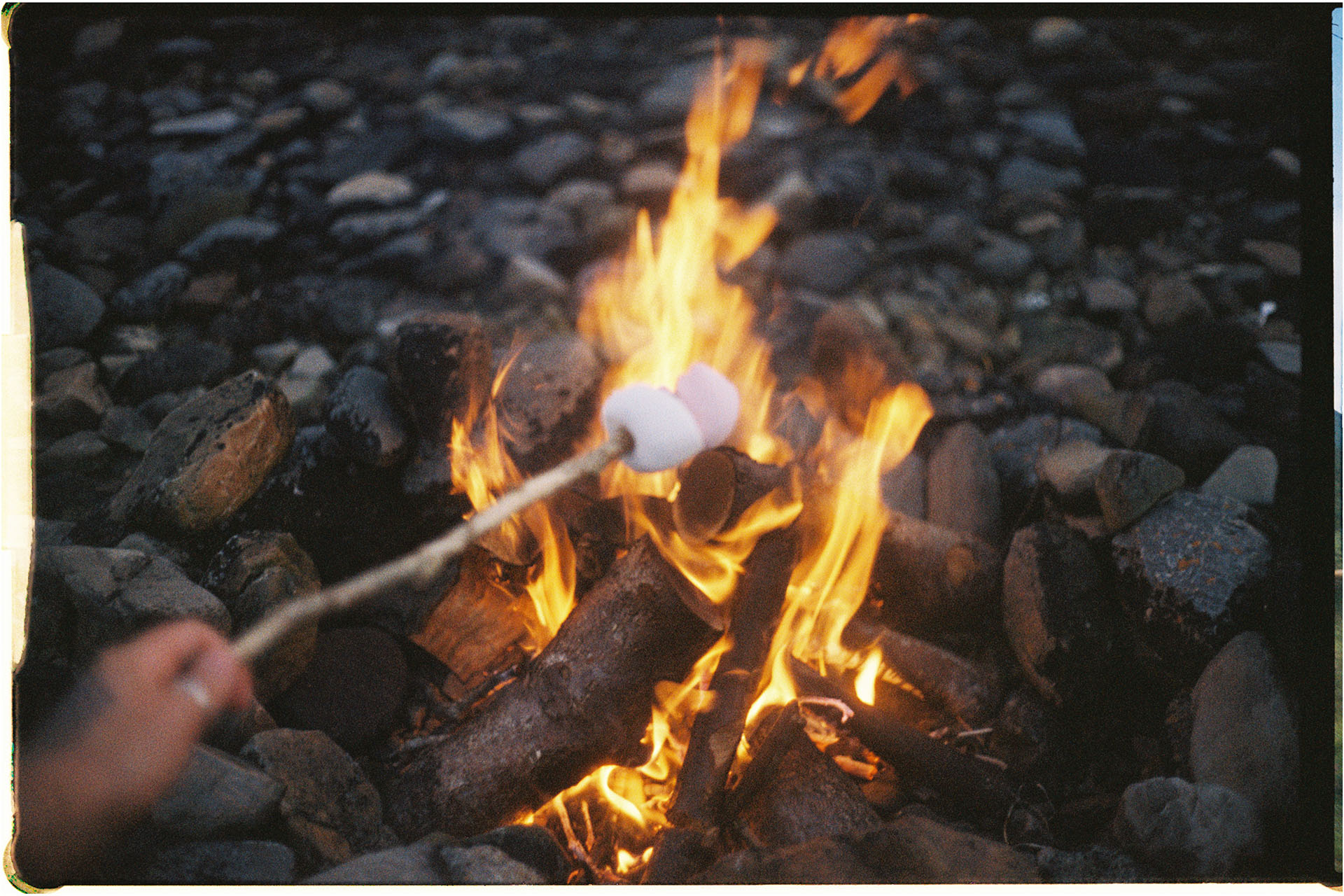
This place was seriously remote, with the nearest shops or petrol station a good 45 minute drive away. It was beautiful, and on the first night we traversed the streams, fences, and thickets to have a BBQ and roast marshmallows on a fire by the loch.


Believe it or not, the Highlands is actually home to some of the most incredible beaches in the world, though of course, the weather is rarely good enough to show them off. We were incredibly fortunate to wake up to glorious sunshine on our final full day, and headed off to a secluded spot that our host had tipped us off to. It was a bit of a muddy scramble to get there, but when we came over the hill and saw the dunes stretching out, the view was genuinely spectacular.
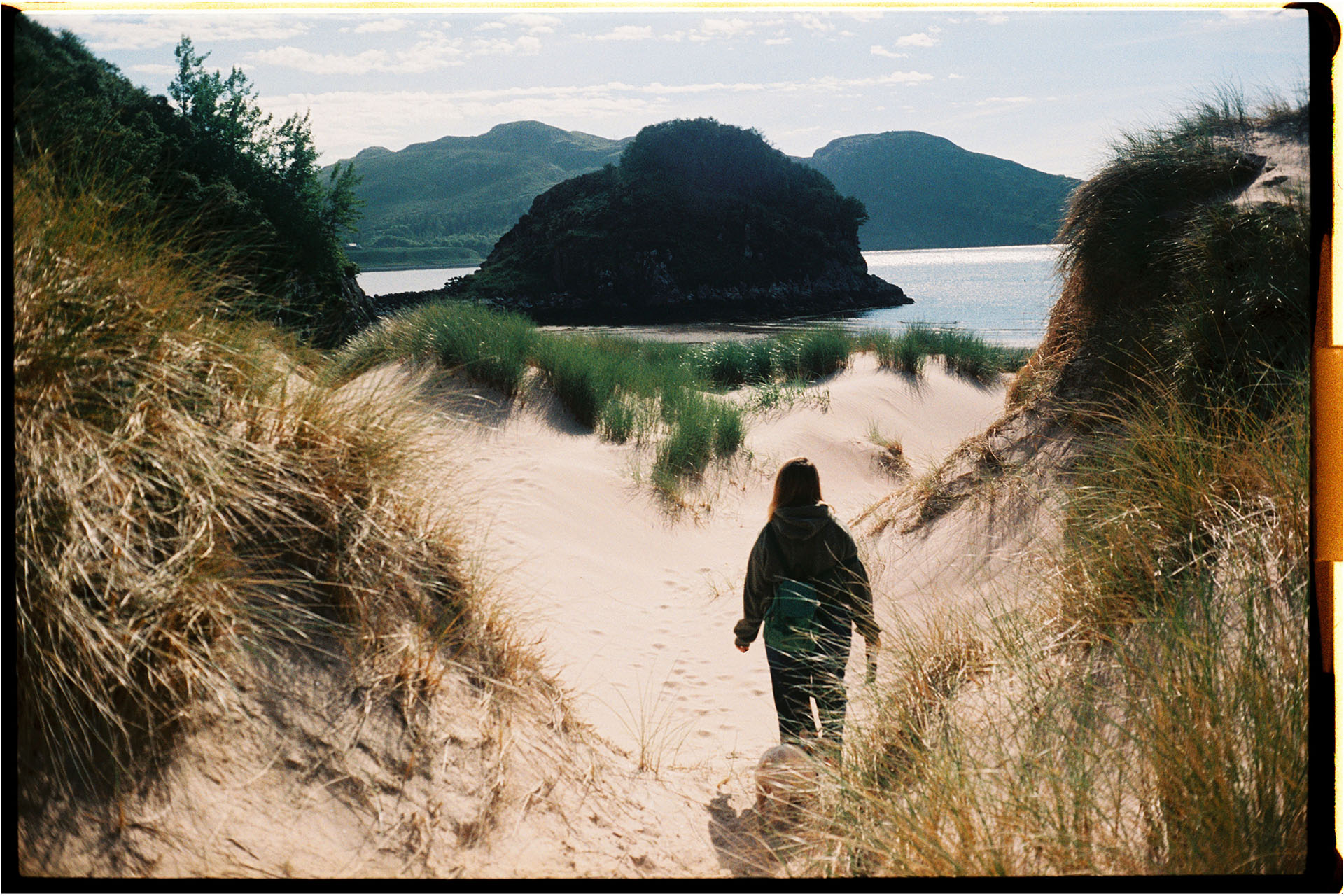
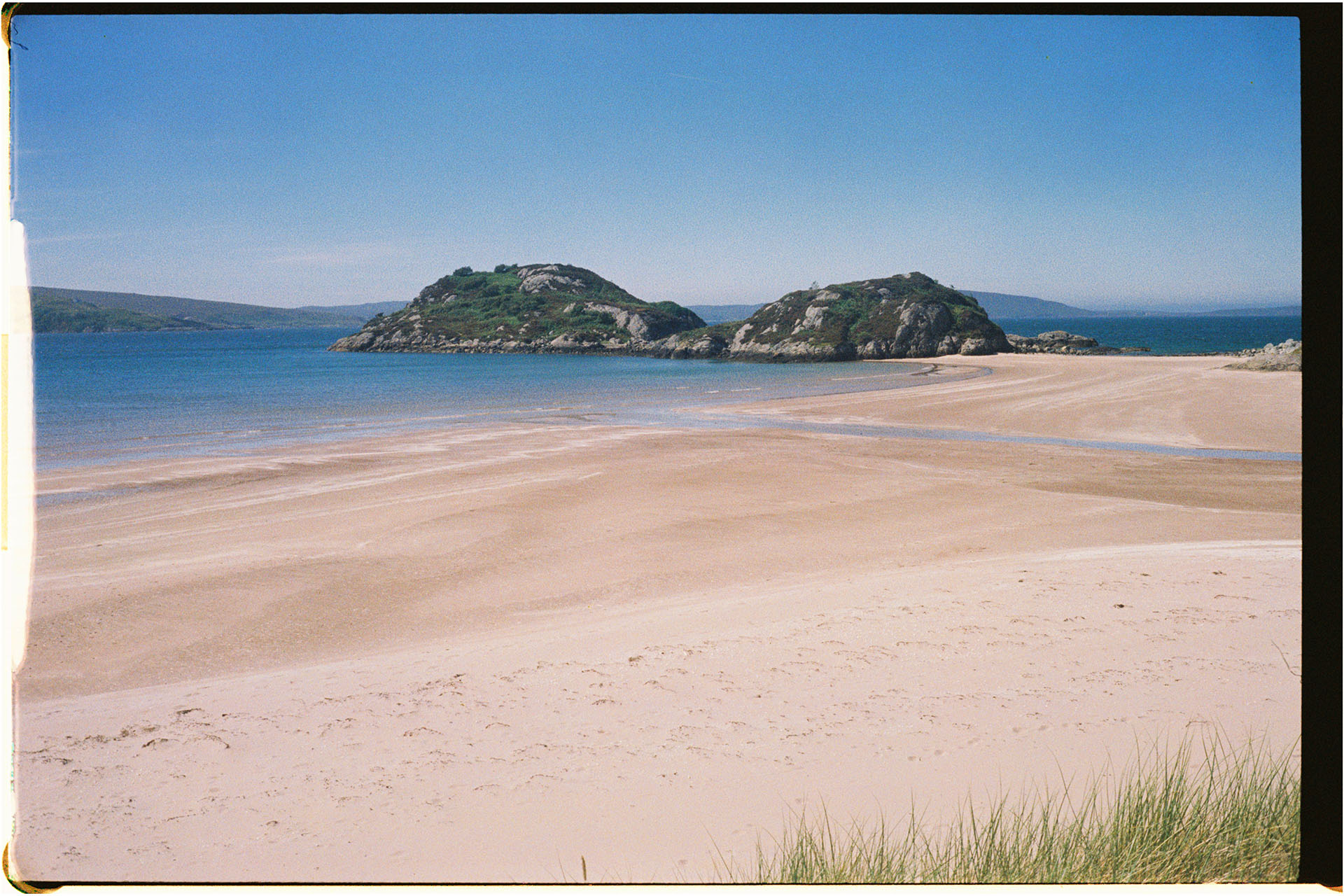
The water was shallow, and the kind of blue that you see in pictures from Greece, or the Caribbean. What’s more, we were the only people there for most of the day. It was brilliant, and the perfect end to the trip.


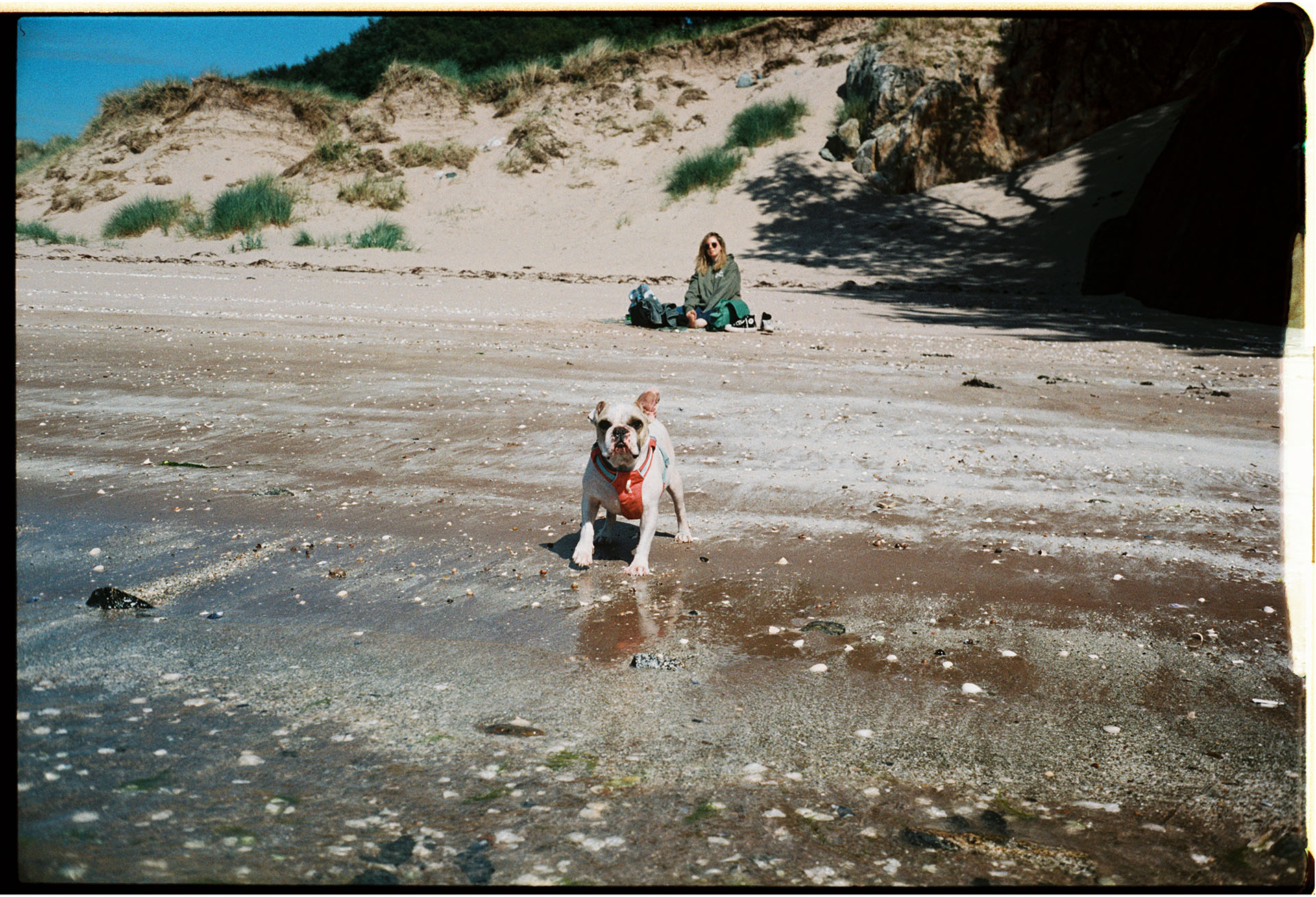
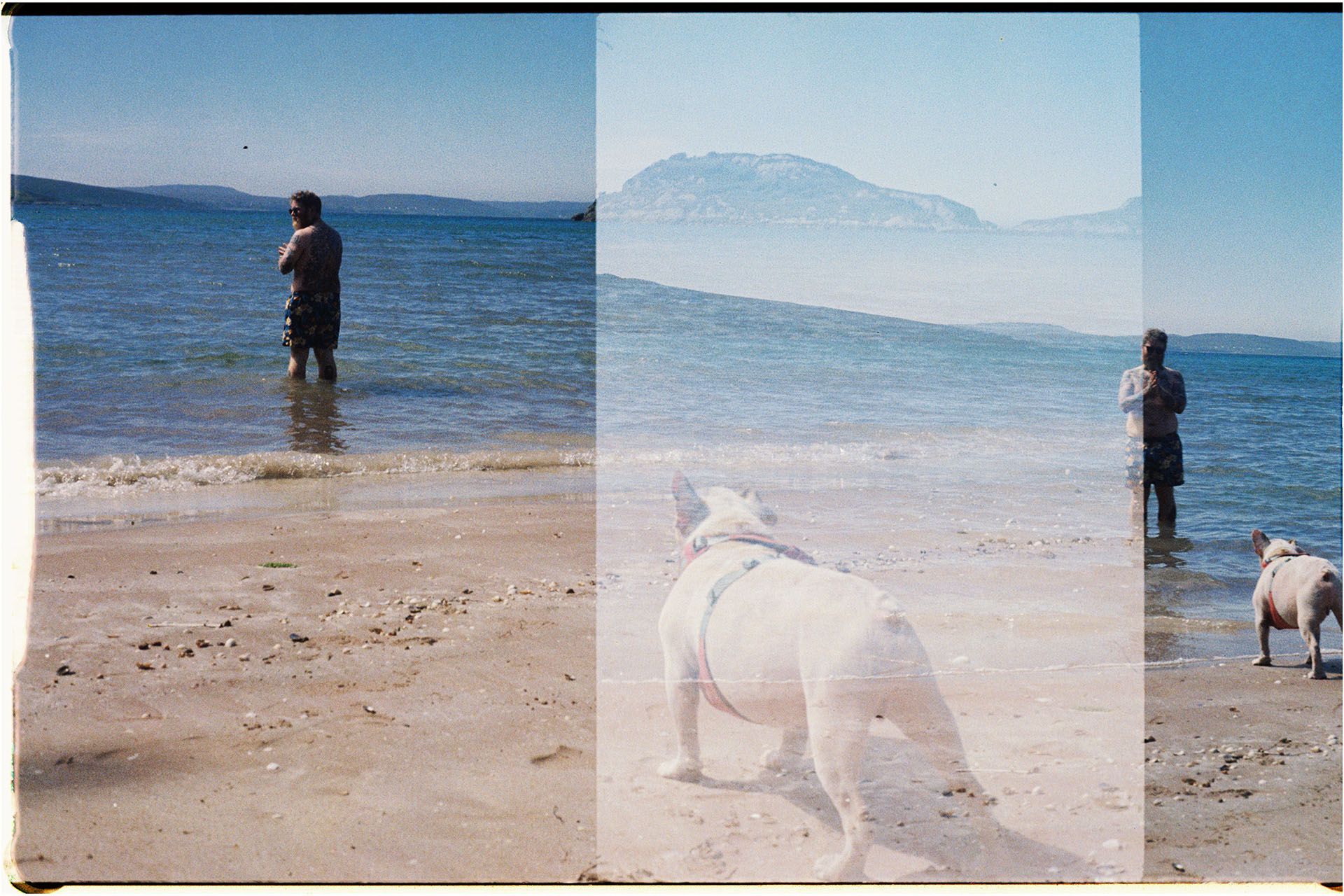

Despite being a rather costly adventure, I’m glad that we took the time to make it happen. It’s reminded me that there are so many parts of Scotland I have yet to explore, and perhaps it’s time that we look into options that would let us do it more often.
All of the pictures in this post were shot with my Vivitar 35ES 35mm rangefinder. Film stock was largely fresh Kodak Ultramax 400, though near the end I also used some very expired Kodak Gold 200, and a random roll of some own-brand expired 400 film. The films were processed and scanned by Gulabi in Glasgow, with further post-processing tweaks by me.
If you liked this, I also put together a short Super 8 film with my Elmo 311, which you can find here:
