

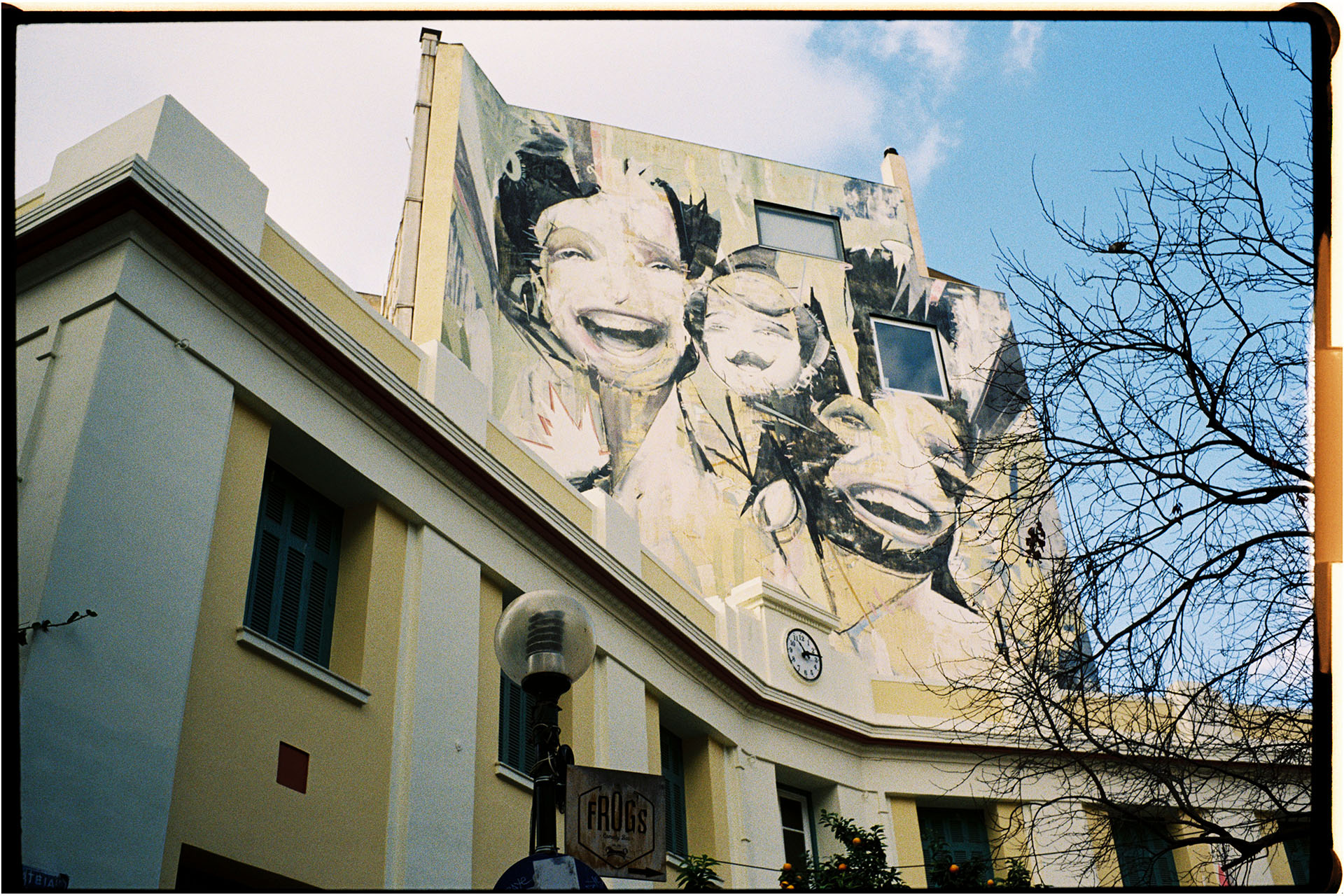
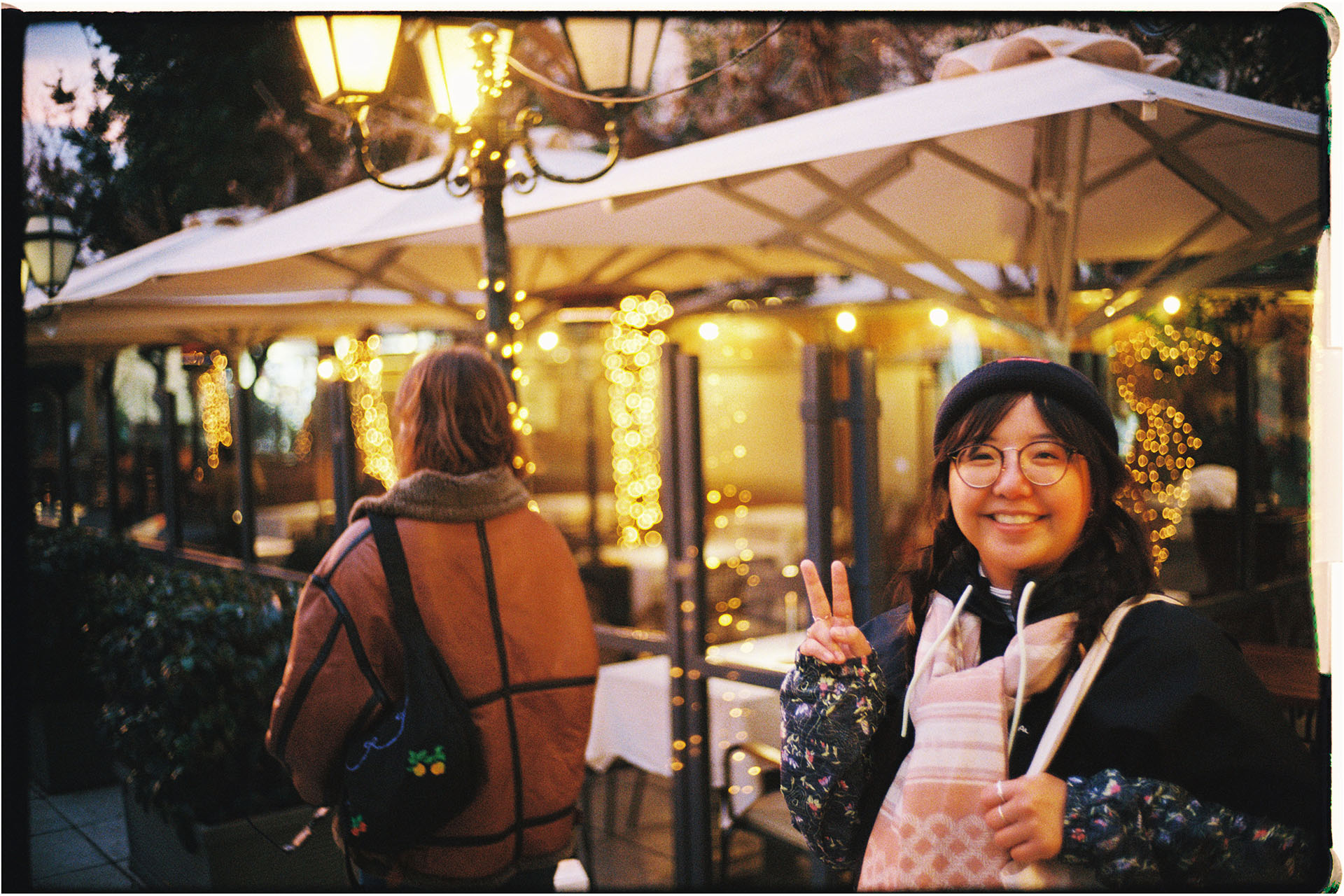
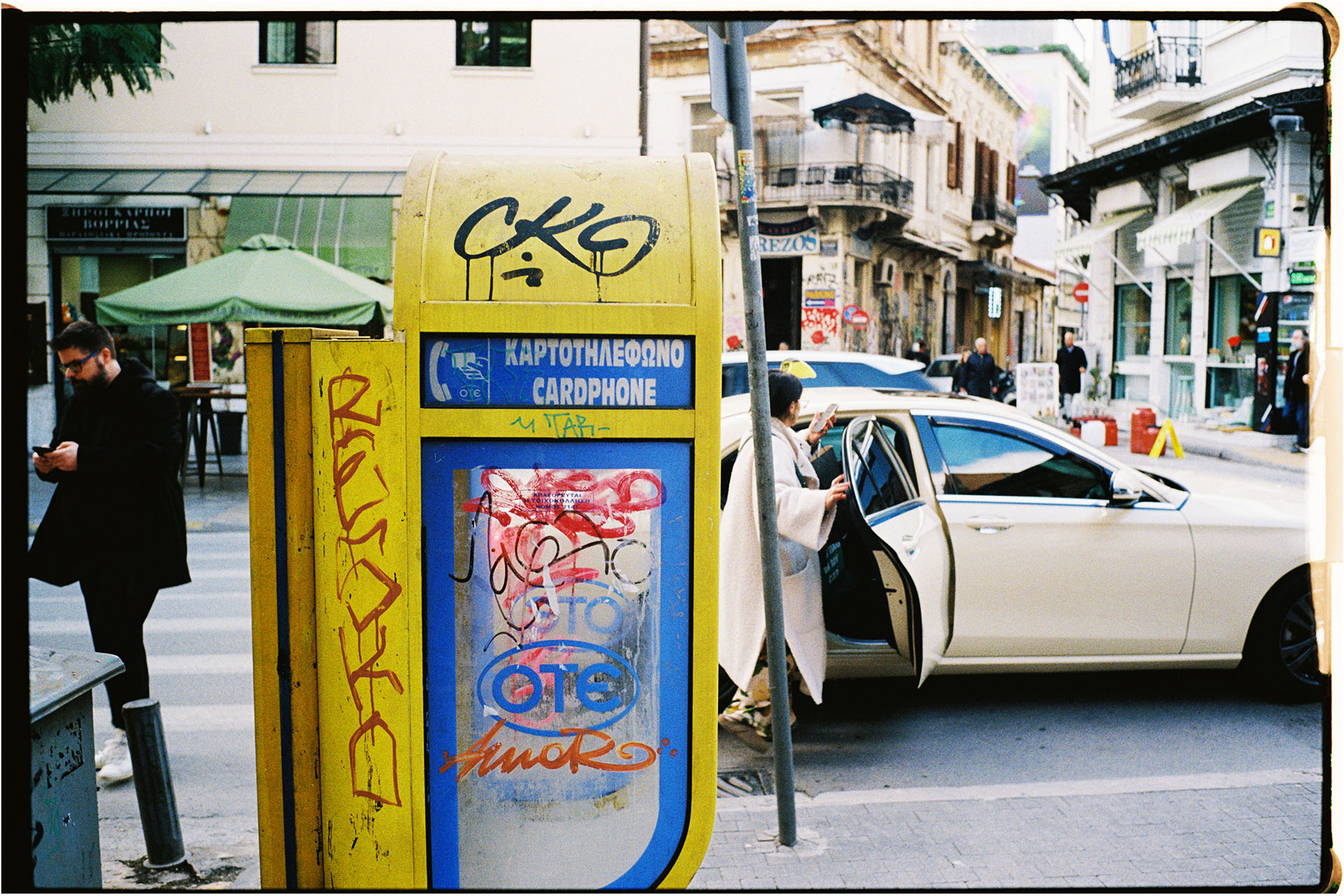
In January I wrote about my intention to shoot more film, and my recent trip to Athens seemed like the perfect opportunity to make good on that. I’ve already shared some pictures that I shot with my digital cameras, and even some medium format, but now it’s time for some 35mm. This post is a hodge-podge of work, friends, and street scenes – in no particular order.
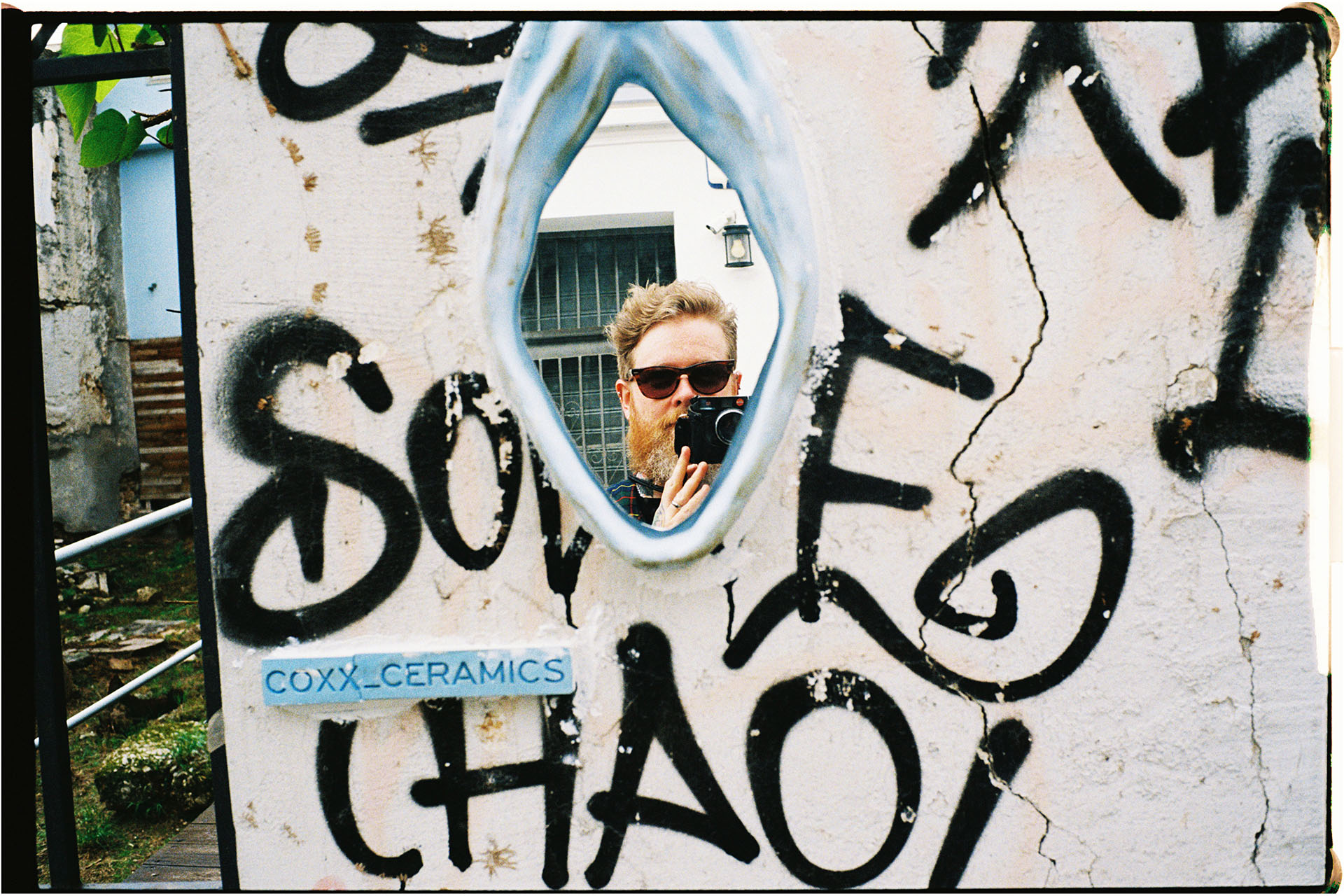
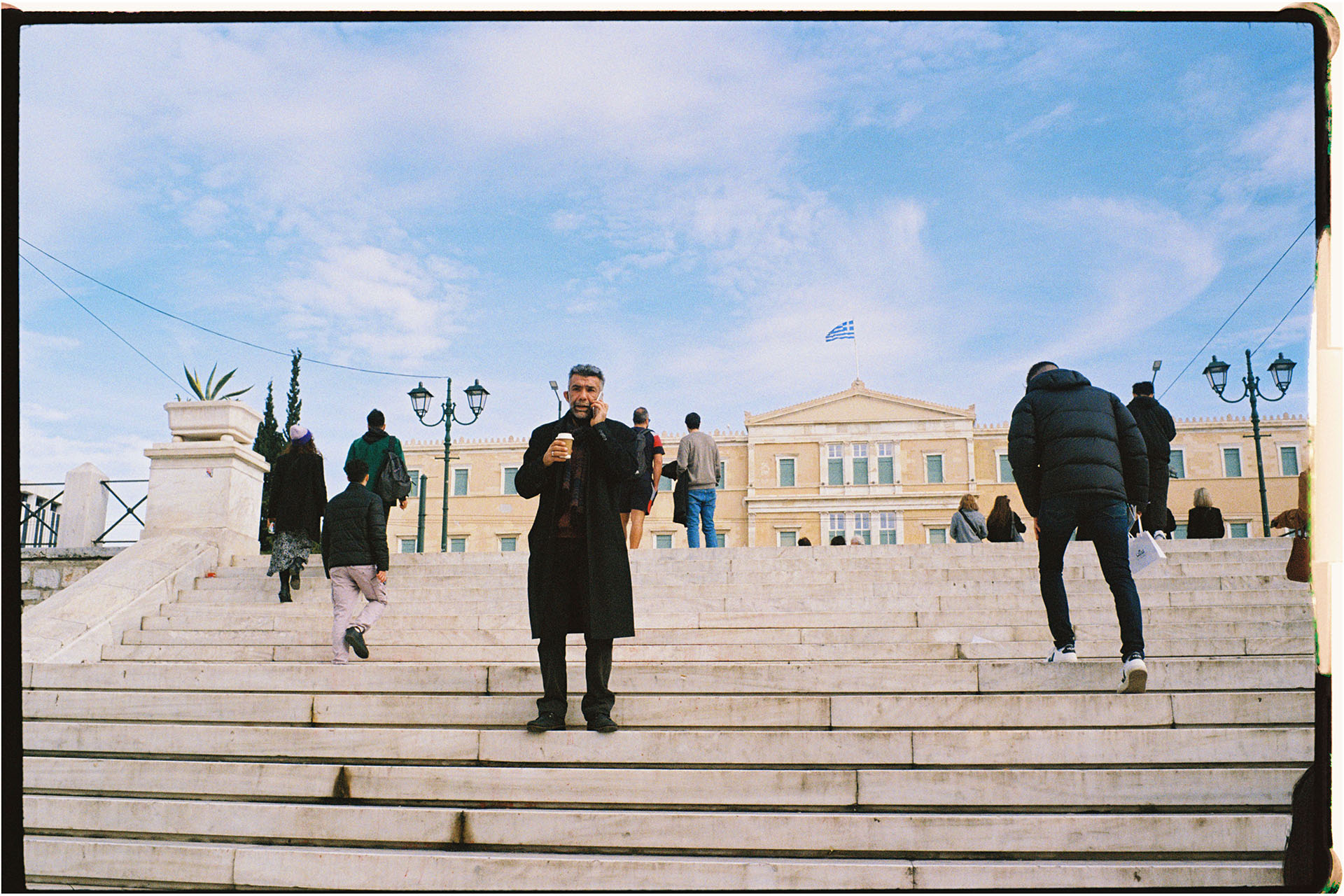
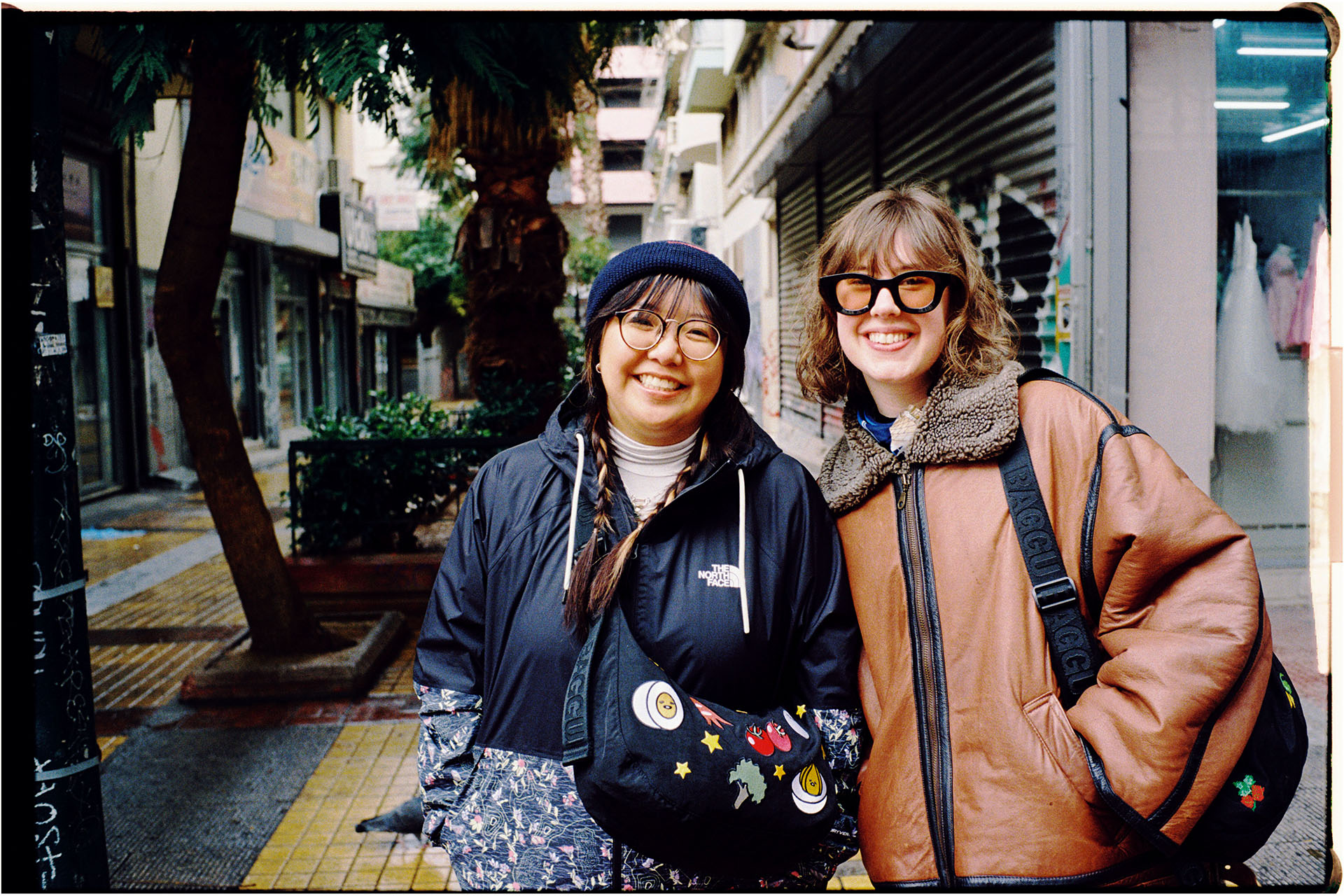
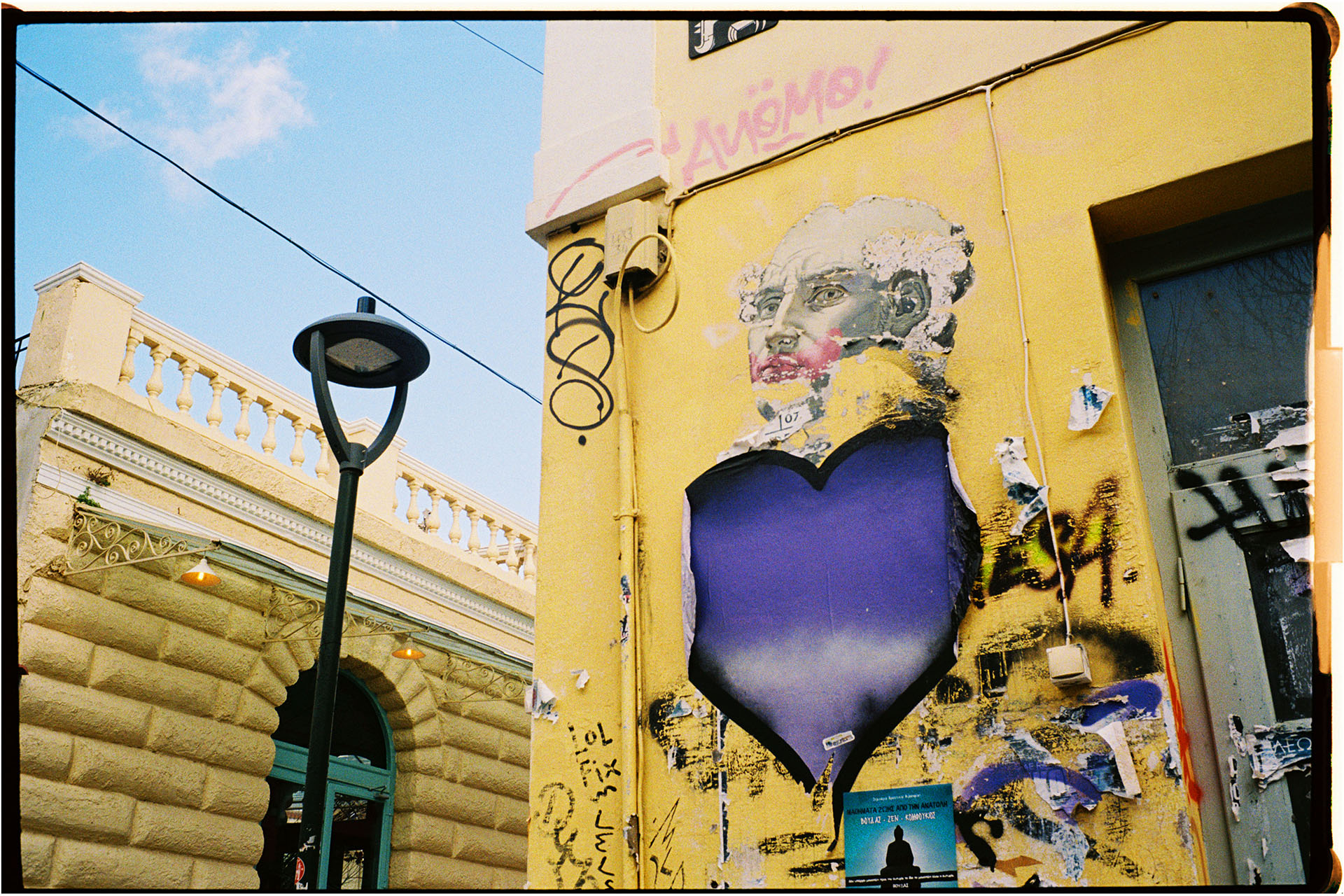
Aside from my digital cameras, I packed a Leica M6, and a Rolleiflex 2.8E TLR on this trip. I’m only going to share the colour 35mm shots in this post, as I like how they flow together, and there are too many pictures to lump them all in one. It feels like it kind of spoils them in a way. If you’re interested, you can find the other posts that house the medium format and mono 35mm goodness elsewhere

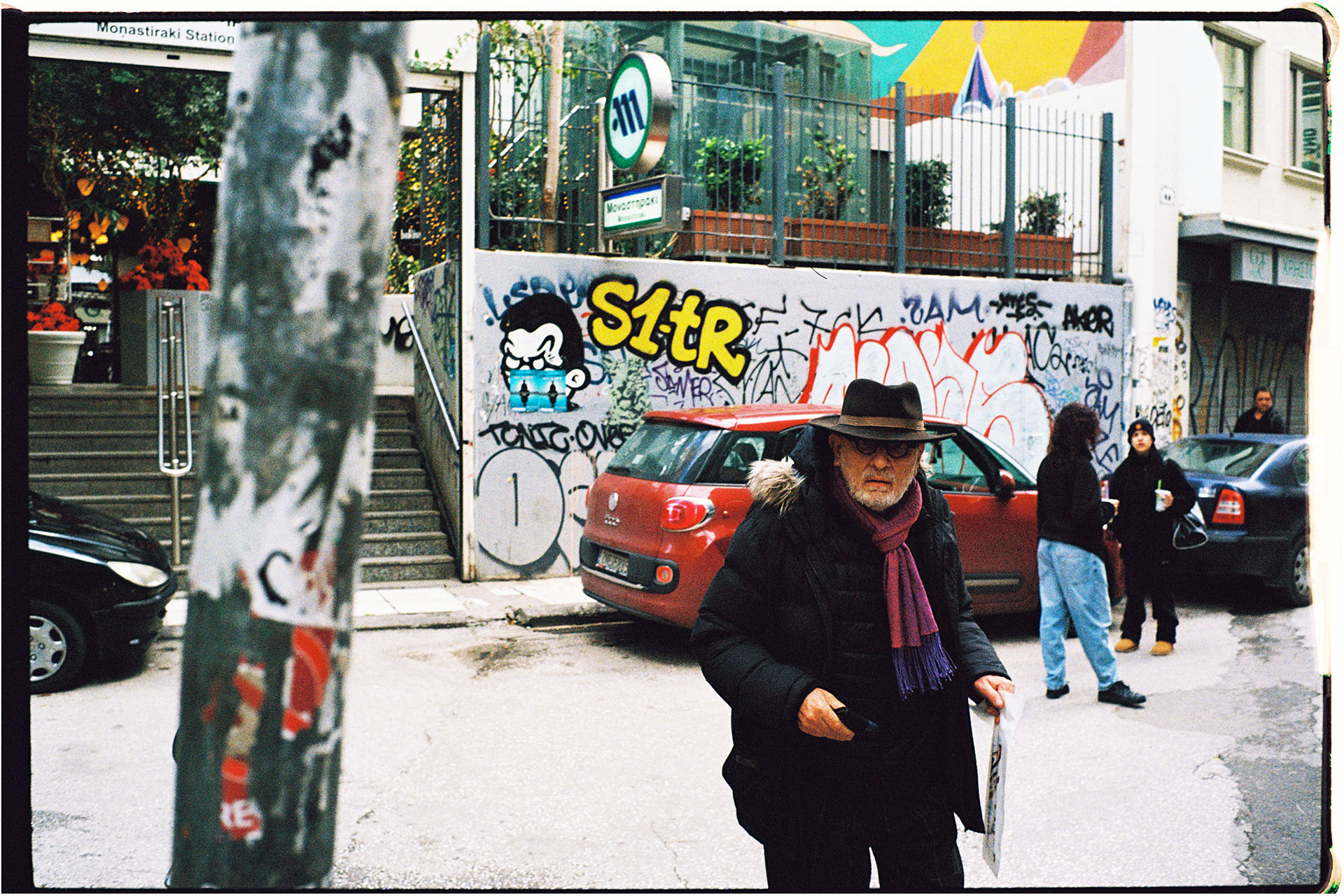

I packed three lenses for the M6, all Voigtlander: The 15mm f3.5, the 35mm f1.4, and relatively new acquisition, the 50mm f1.1. I used all of them, but the 35mm Nokton saw the most action. Its focal length, physical size, and wide aperture mean that it has consistently been one of my favourite all-rounders, and that remained the case on this trip as well.
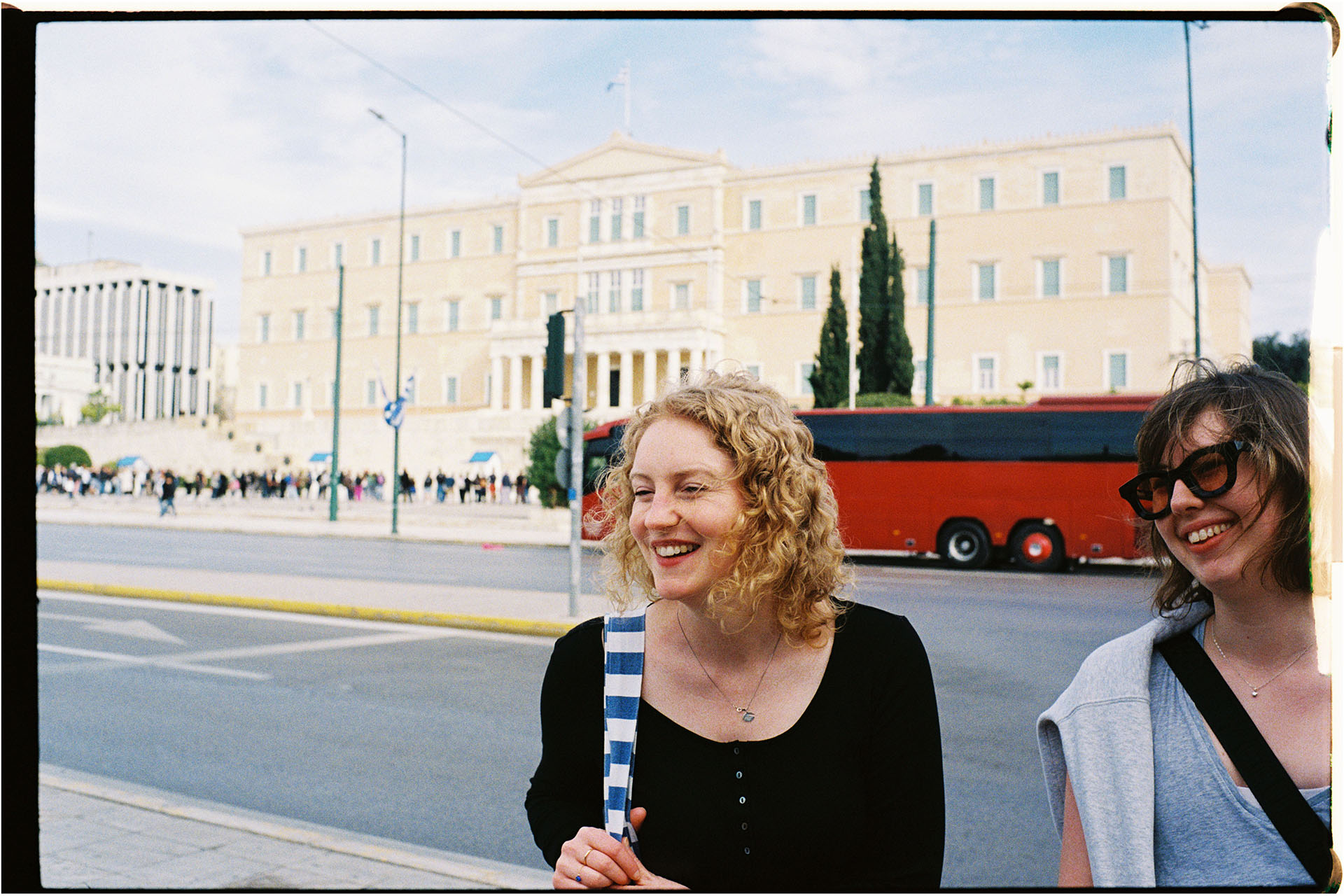


I was initially fairly pleased with the digital shots from this trip, and then I saw the film pictures. For whatever reason, they just look and feel so much better. Scenes which would otherwise be dull and lifeless throwaways if shot on my GX9 have got bags of character. Light and shadows seem more alive, and textures appear almost 3D. There is always the risk that I am over-romanticising, but given how much I’ve spoken in the past about hating film at times, perhaps not.


While the M6 is an amazing camera, I usually prefer shooting with my old battered M2. There’s just something about it; perhaps because it lacks a meter and feels even more mechanical. However, I hadn’t used the M6 in a long time, and after having both it and the Nokton serviced, wanted to give it a proper outing. I’m glad I did.


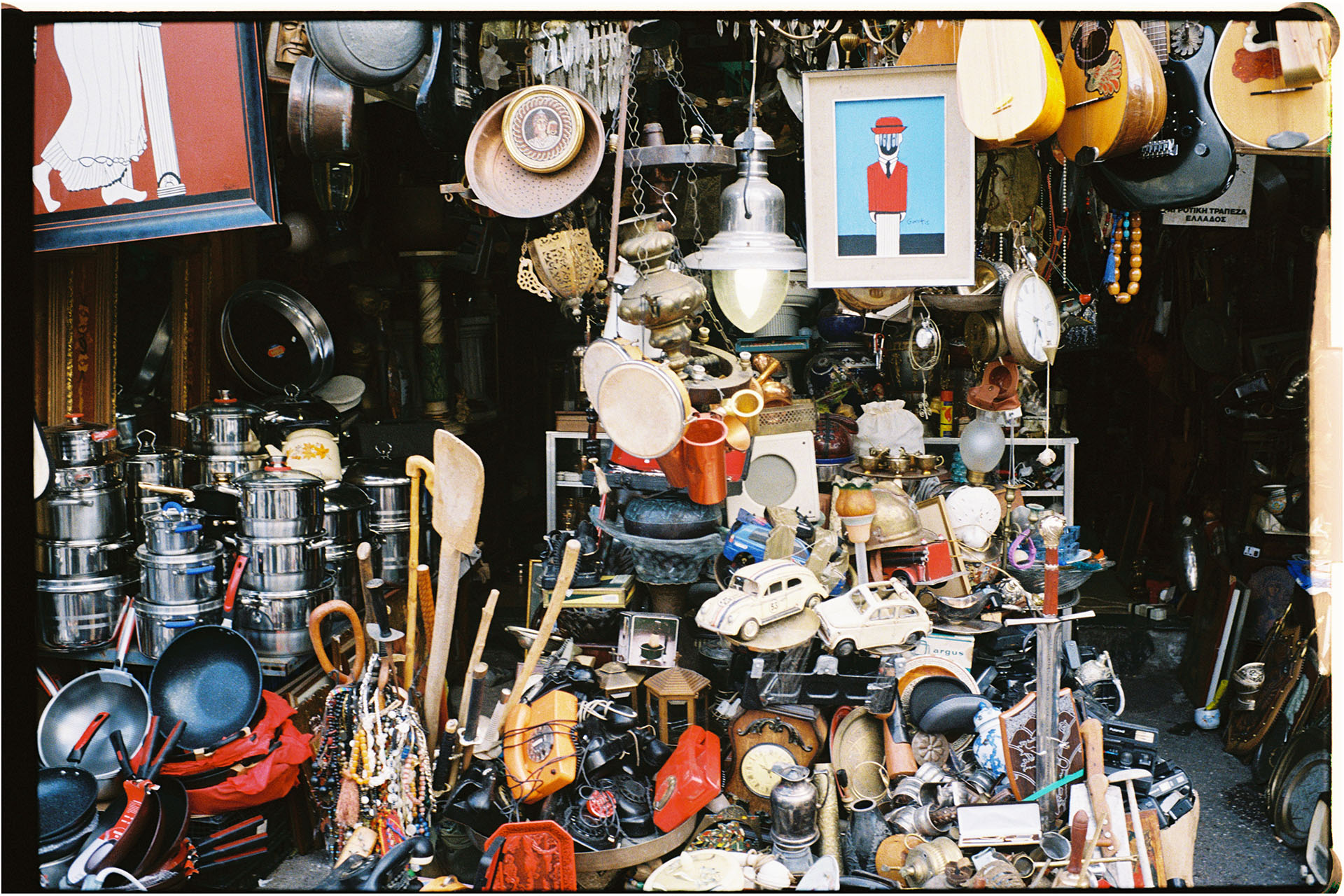
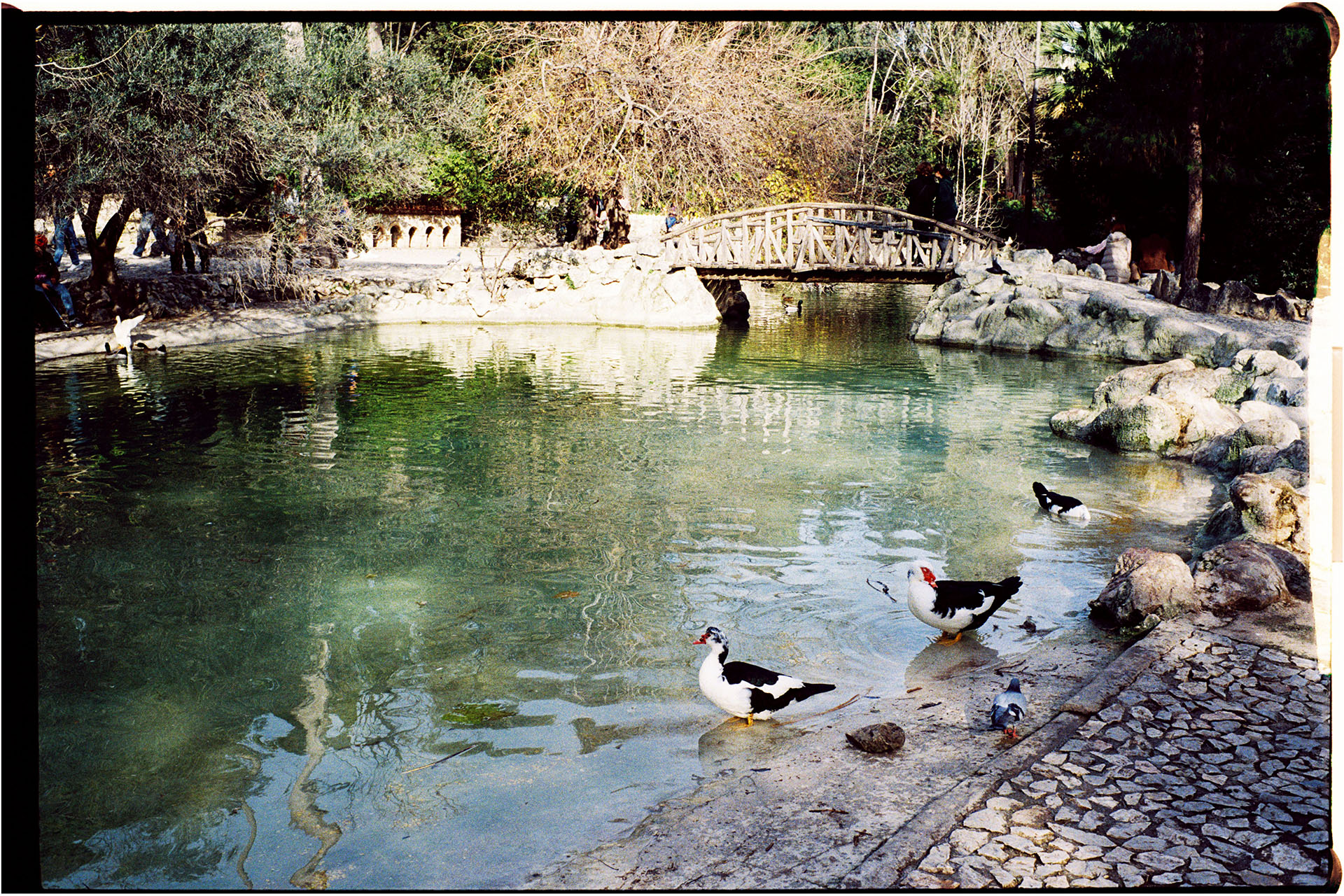
Film stock wise, I was shooting largely with Kodak Ultramax 400 – and unusually for me, I actually splashed out on buying brand new, non-expired film, which I do think made a difference to the results. There was a rogue roll of very expired Kodacolor 200 in there, and it clearly struggled in comparison. It still looked cool, but the colours were more muted, and the loss of latitude was especially obvious in the shadows. Like the picture below.

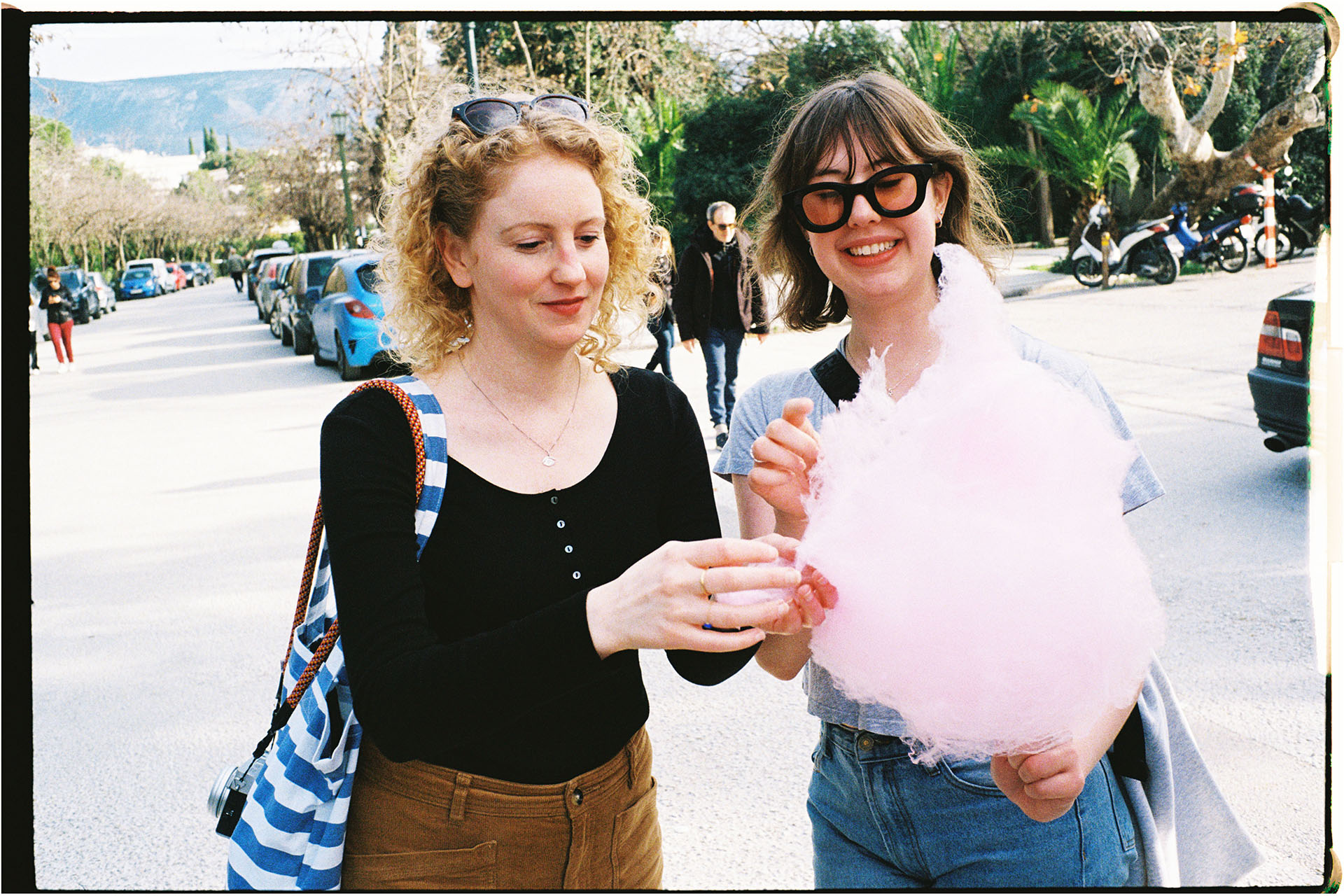

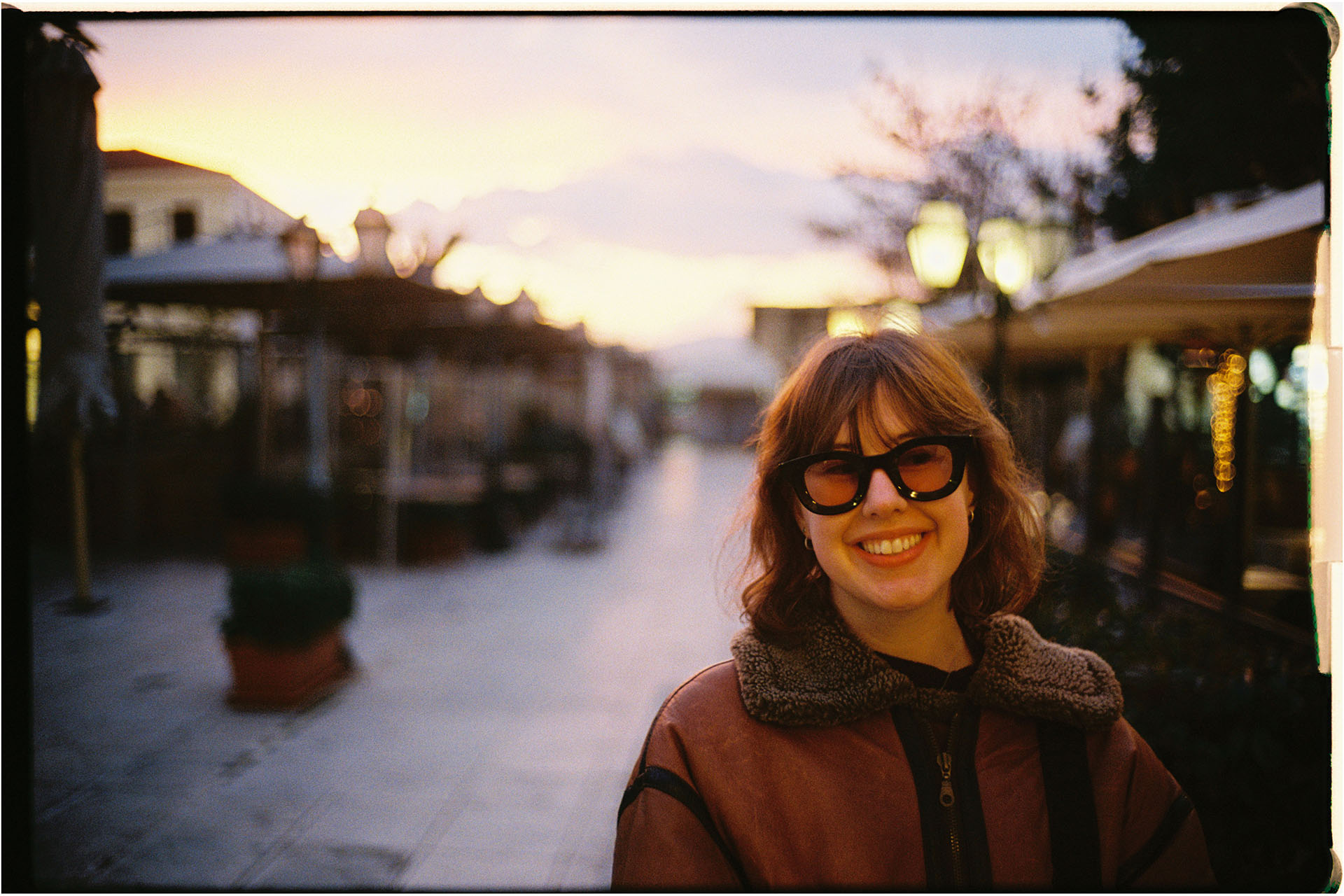

In the past I have developed and scanned all of my own film – both colour and black and white. However, that has increasingly felt like a chore, and the cost-benefit ratio has dramatically reduced. While I am still DIYing all of my mono film, I decided to stump up the cash and have the local independent film lab Gulabi process and scan the C41 rolls. I dropped them off while walking the dog in the early afternoon, and just a few hours later I had beautiful high-res scans in my e-mail. It was well worth the £8 per roll, and I can’t really recommend them enough.


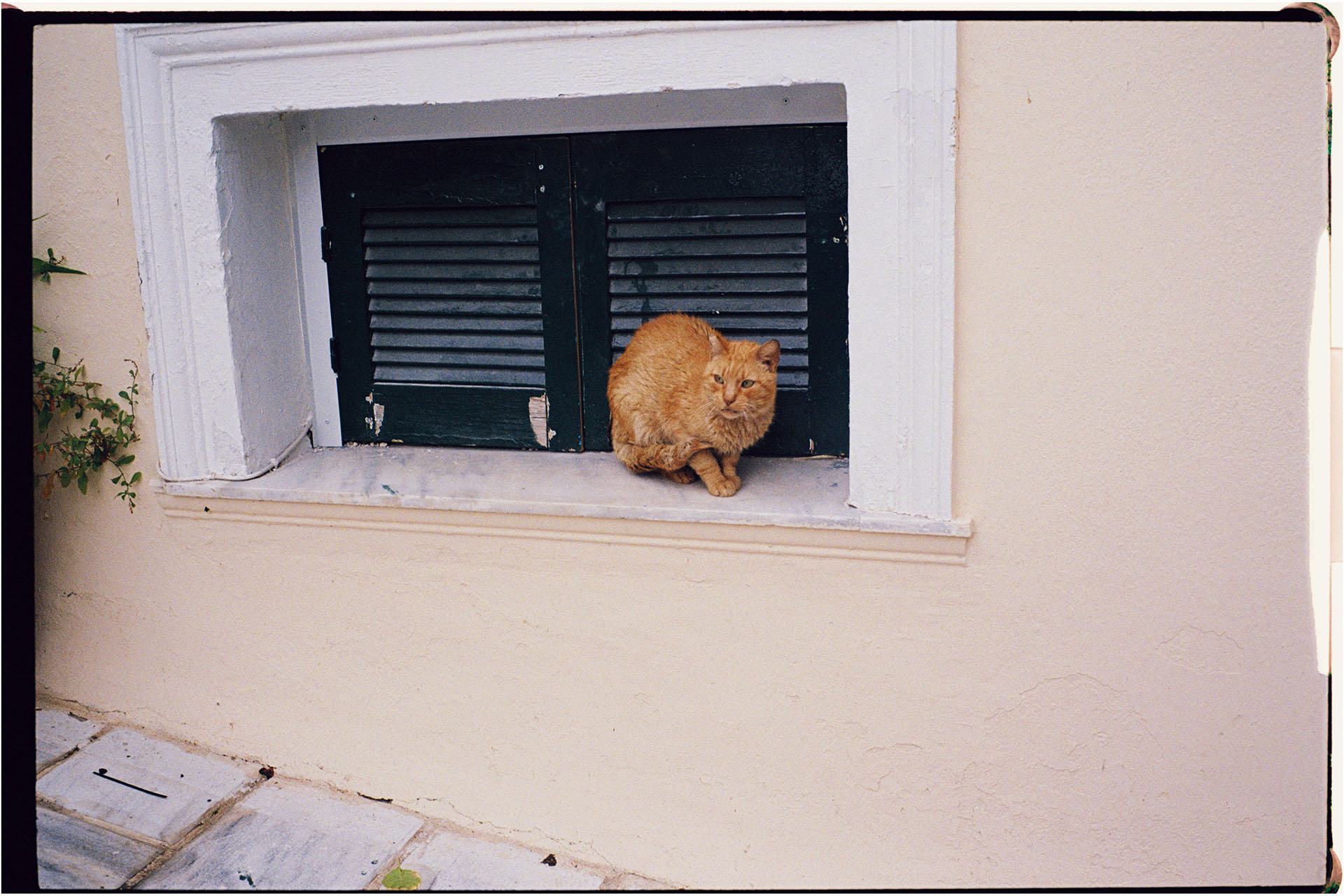
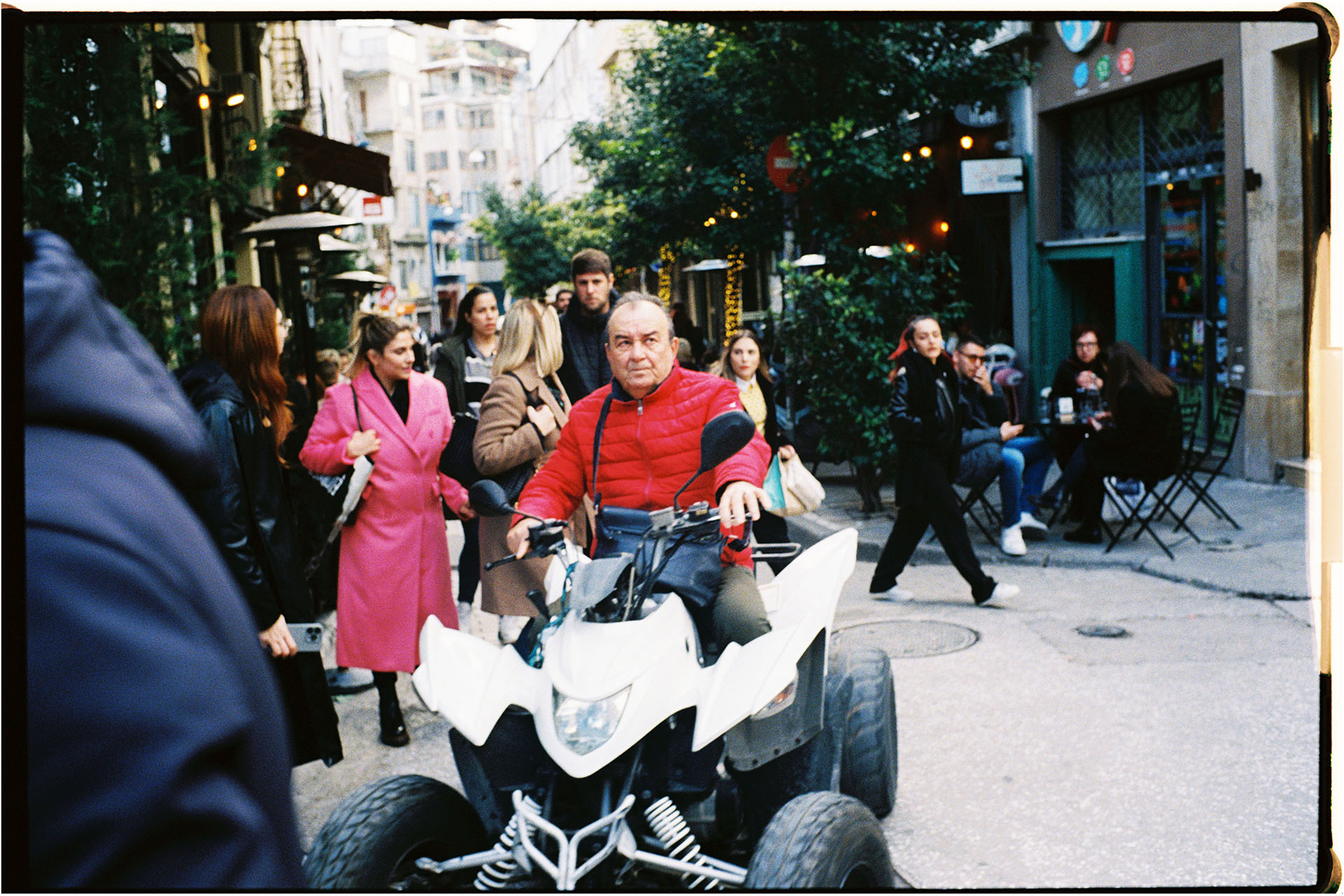
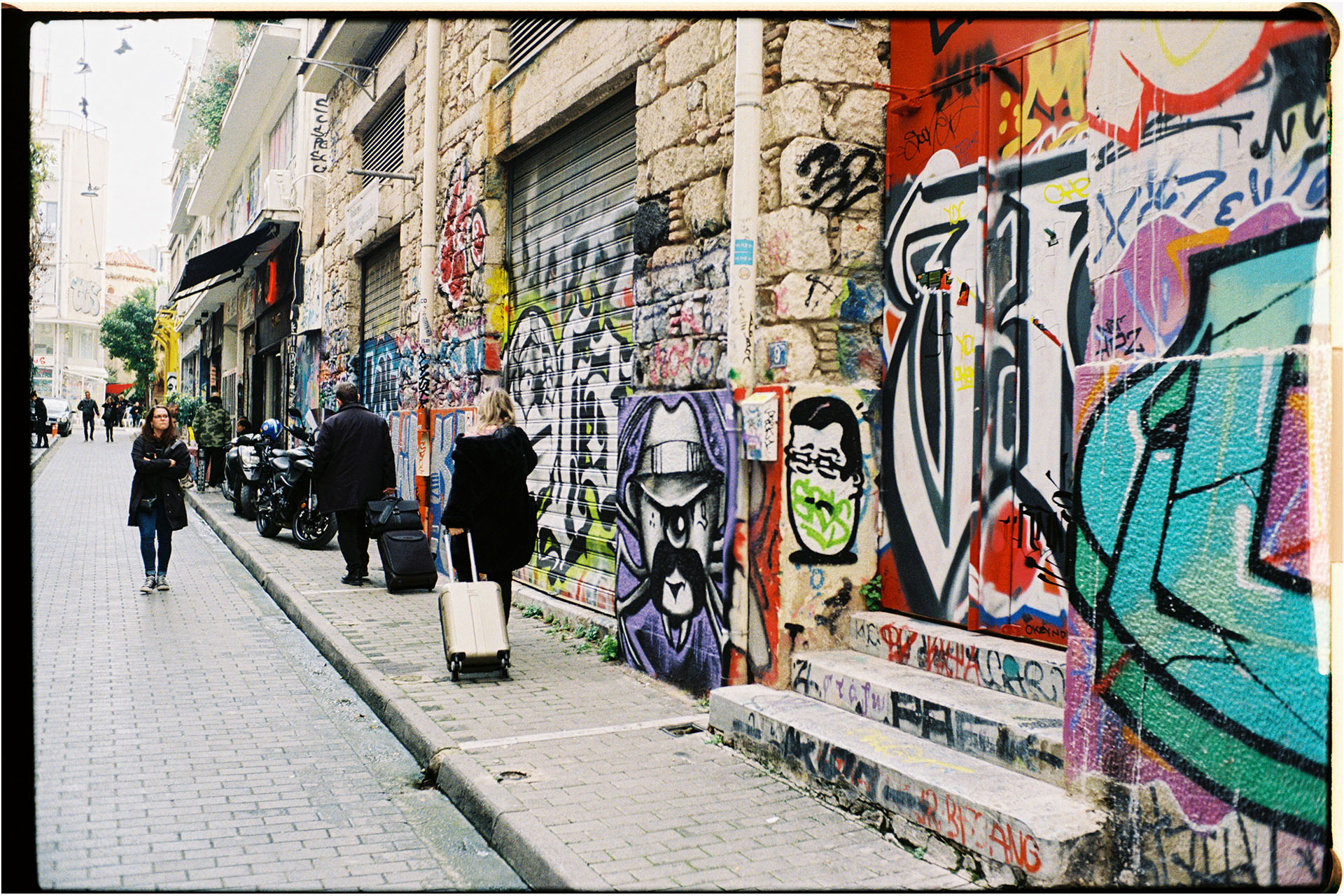
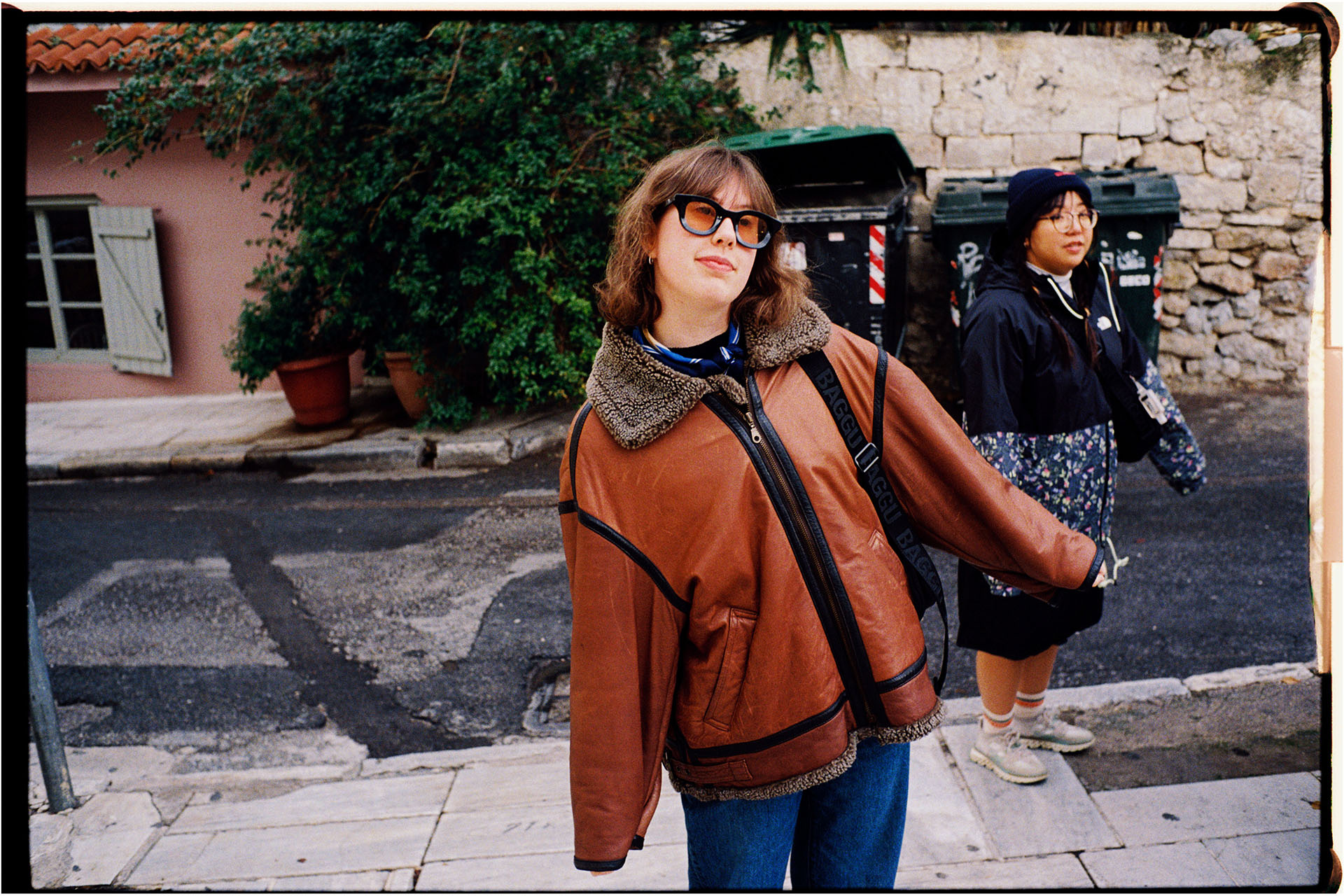
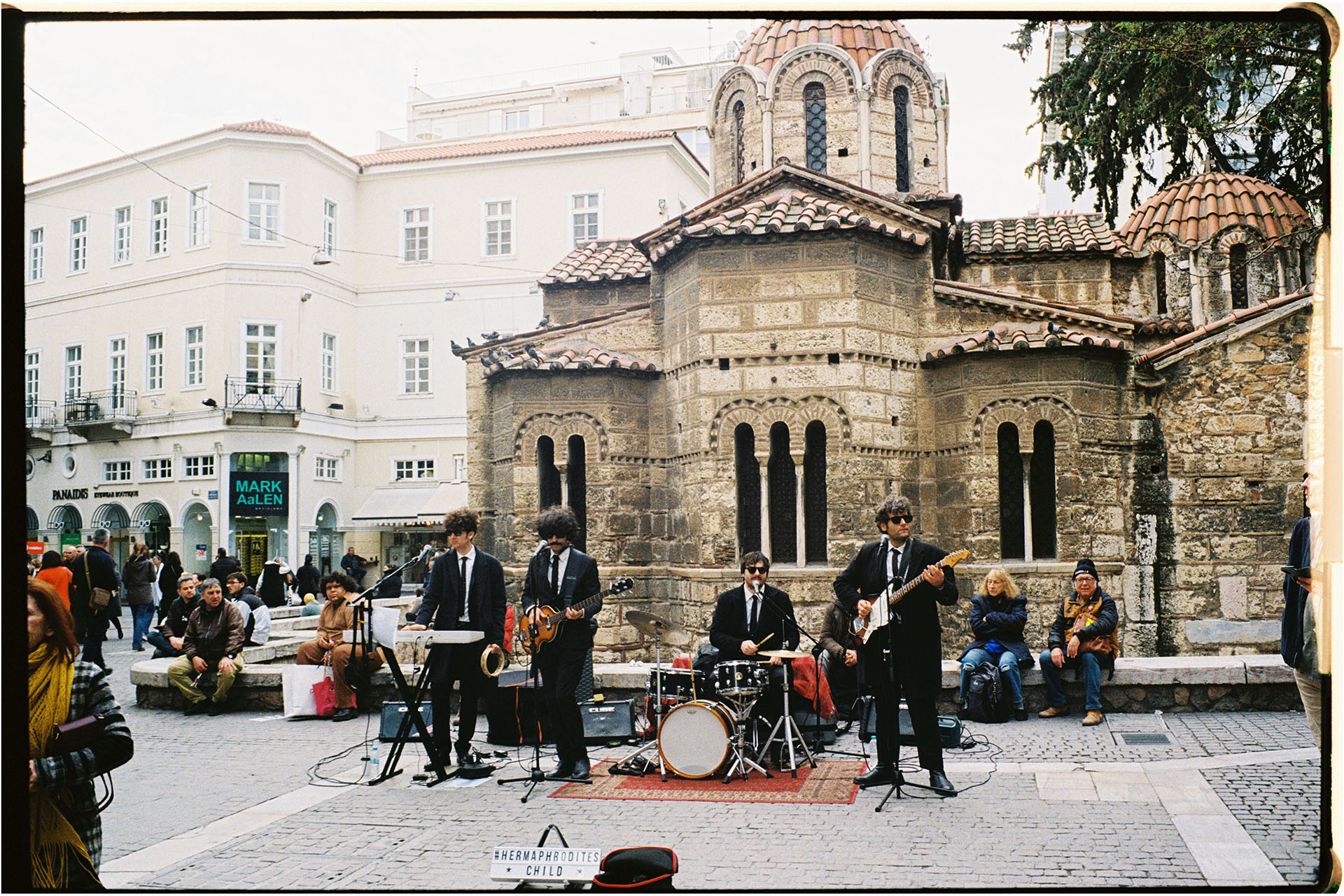
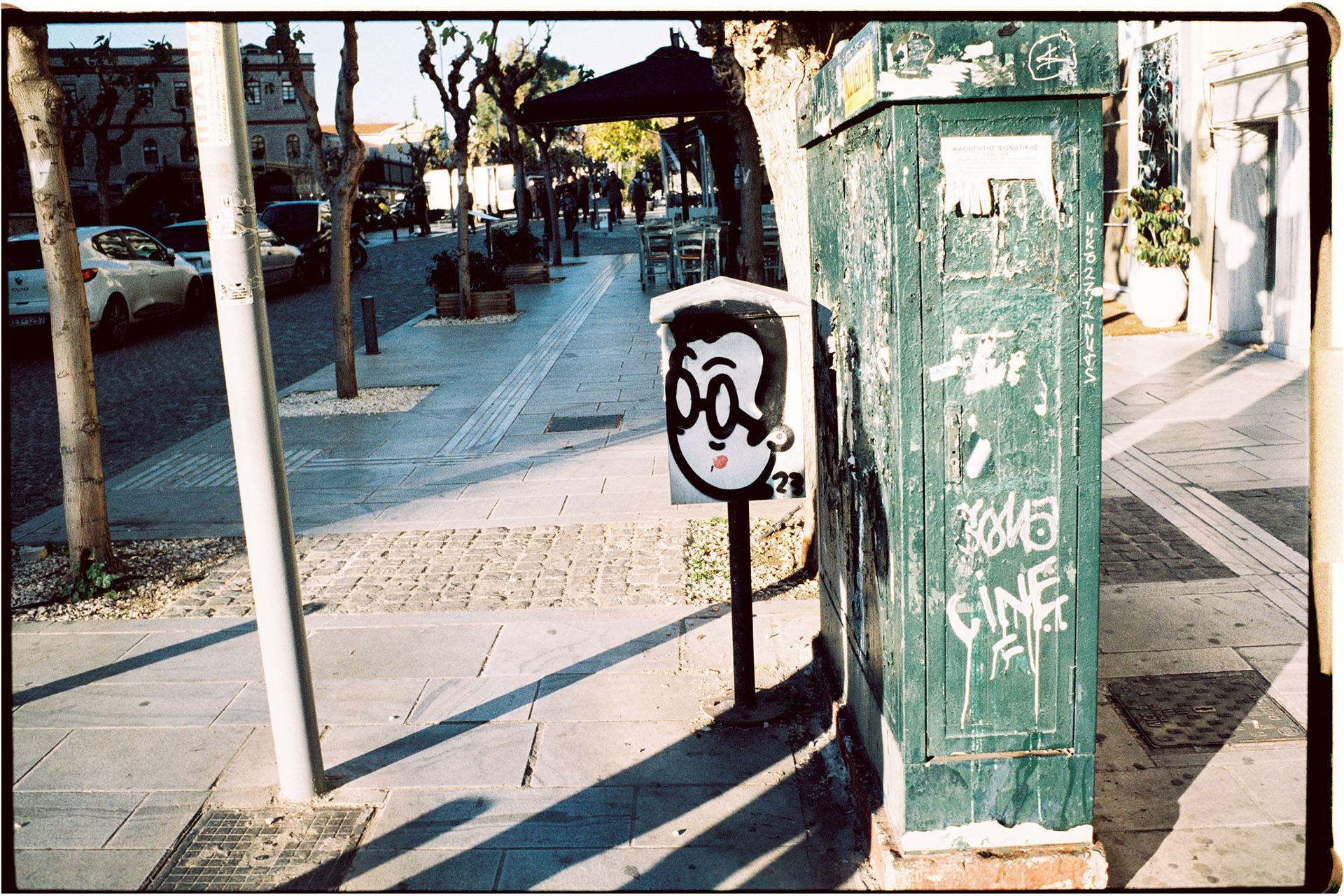
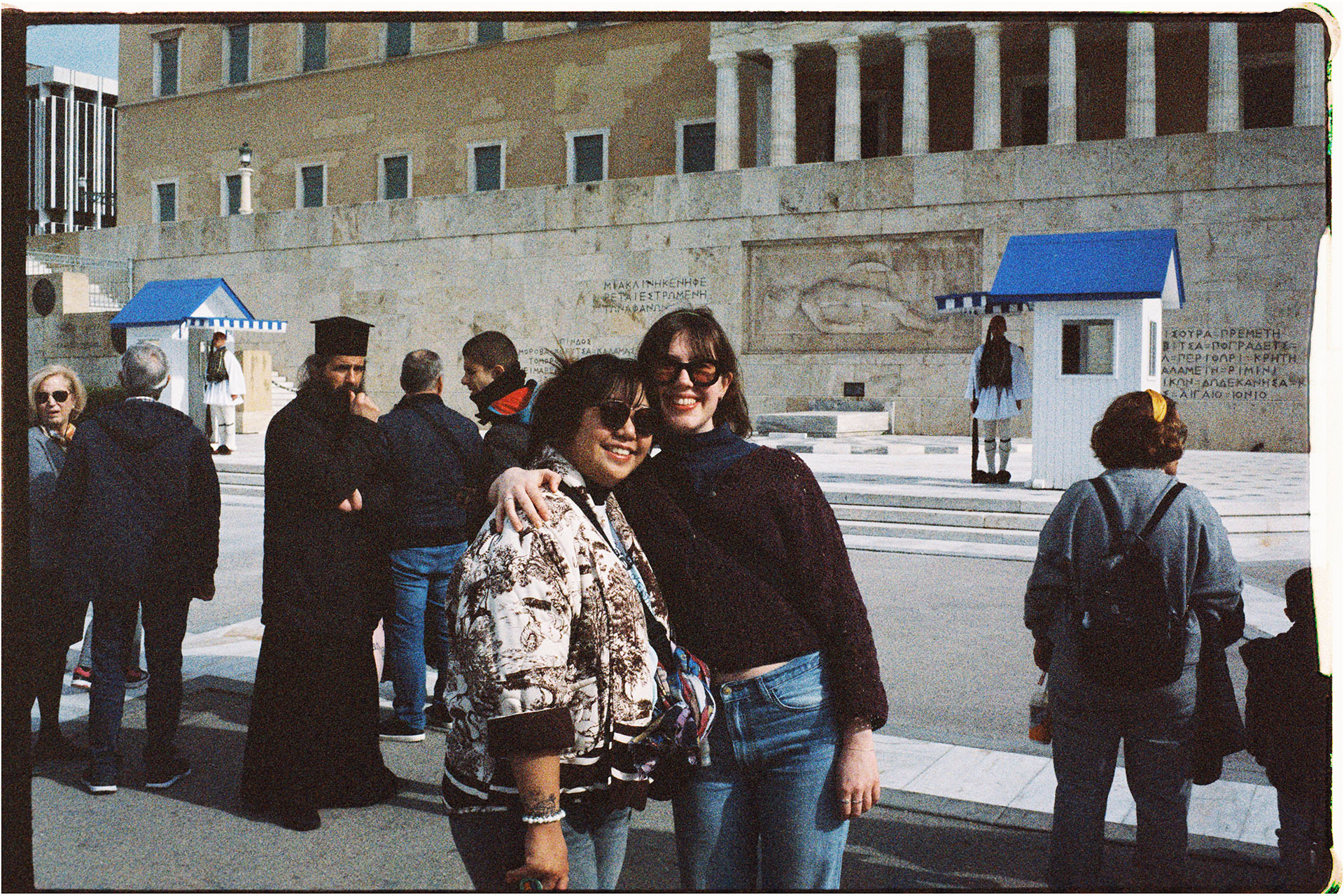
As you can tell, I asked Gulabi to scan the film with ‘dirty borders’, inspired by my friend Lee, who has the same thing. I love how they came out, with the frame edges clearly visible. I deliberately haven’t cropped or edited them, outside of tweaking the colours and contrast to fit my own taste and style.

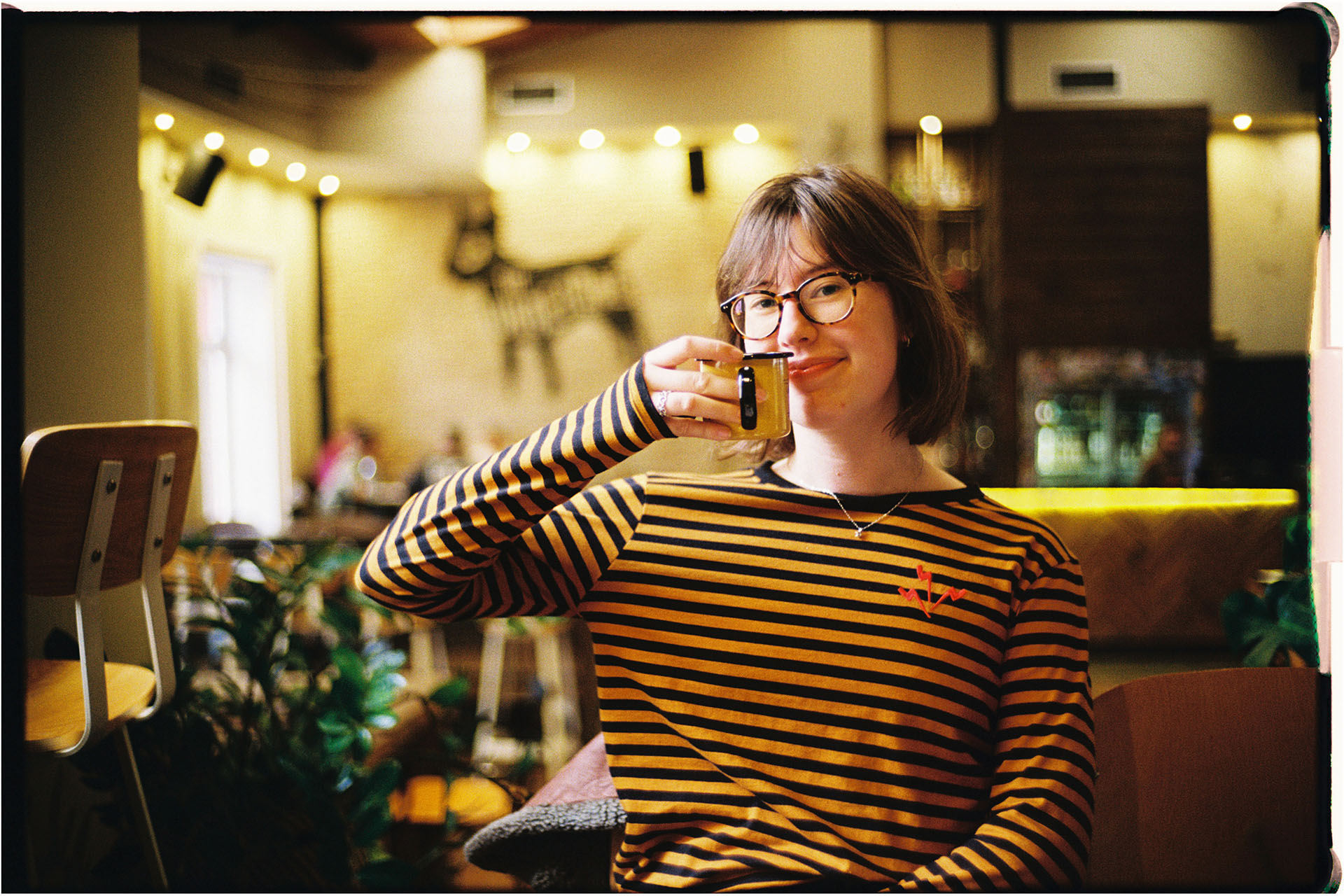

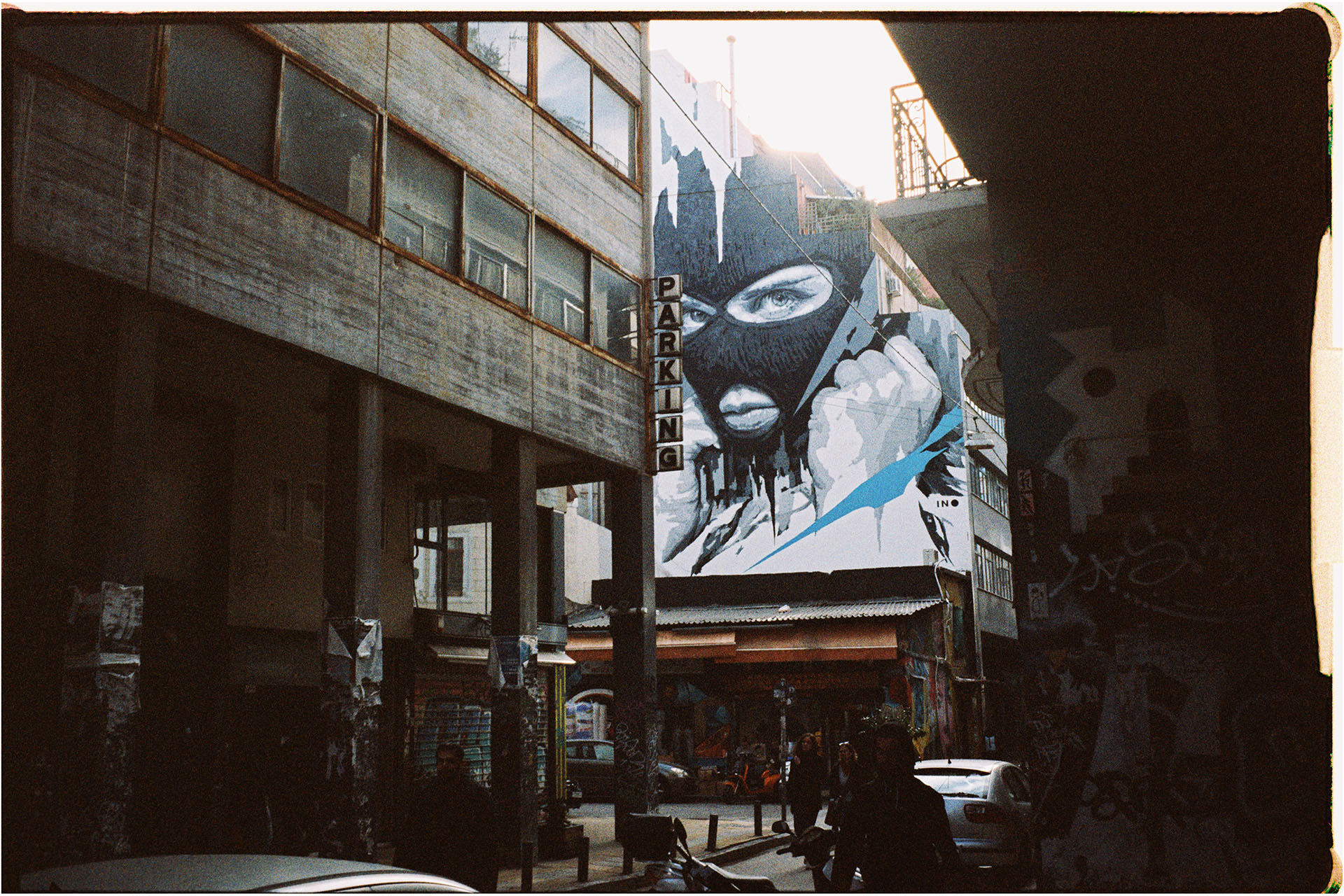
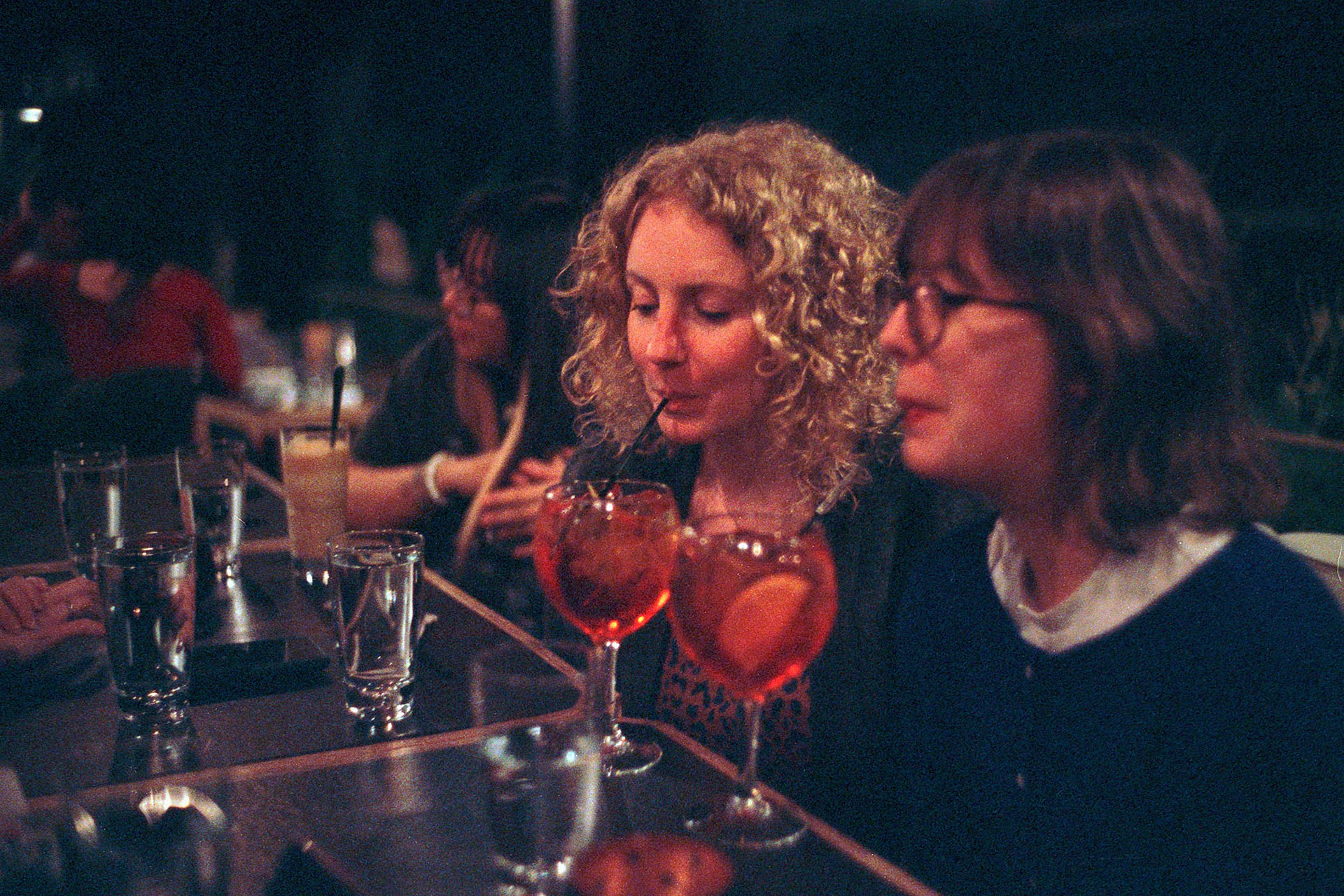
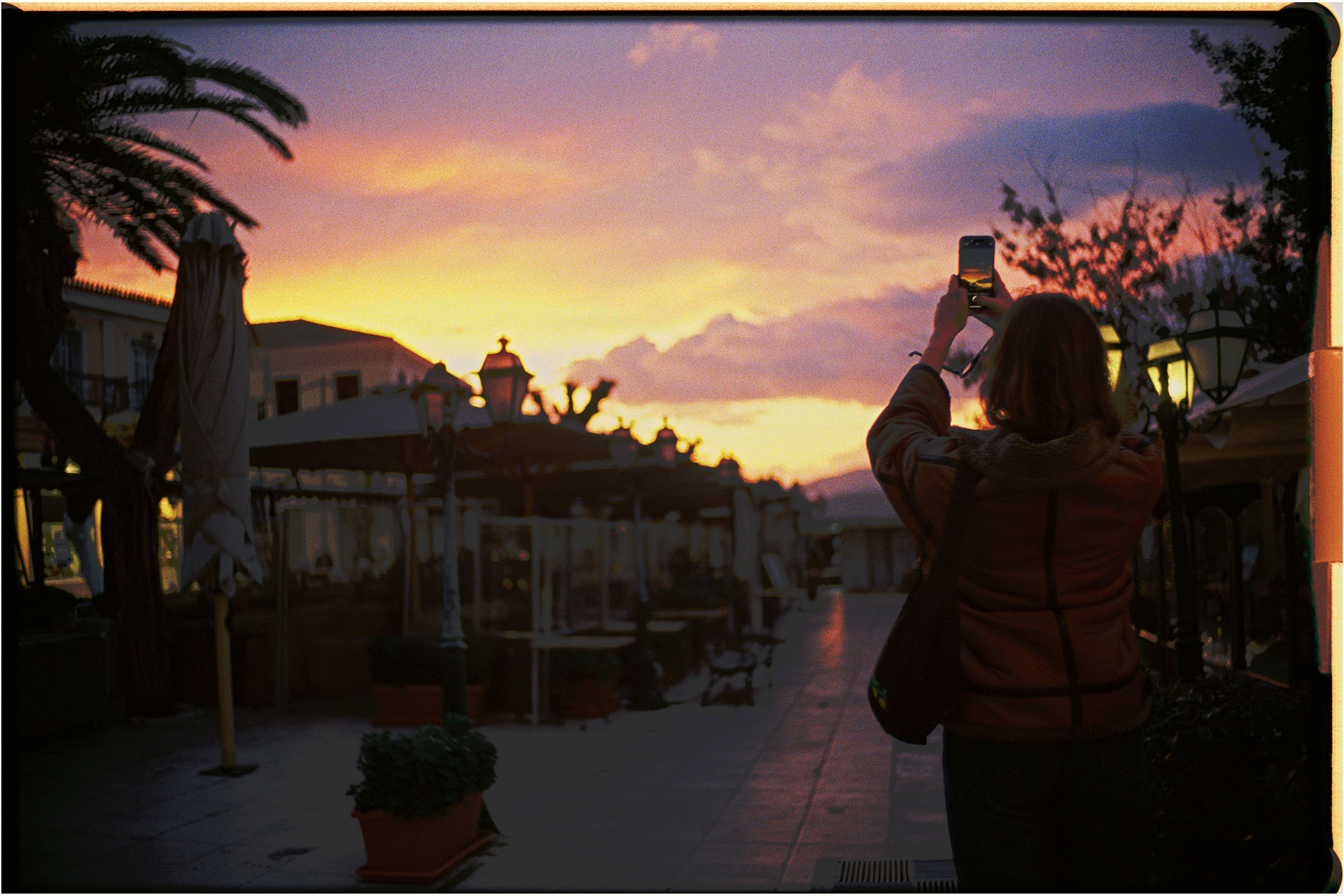
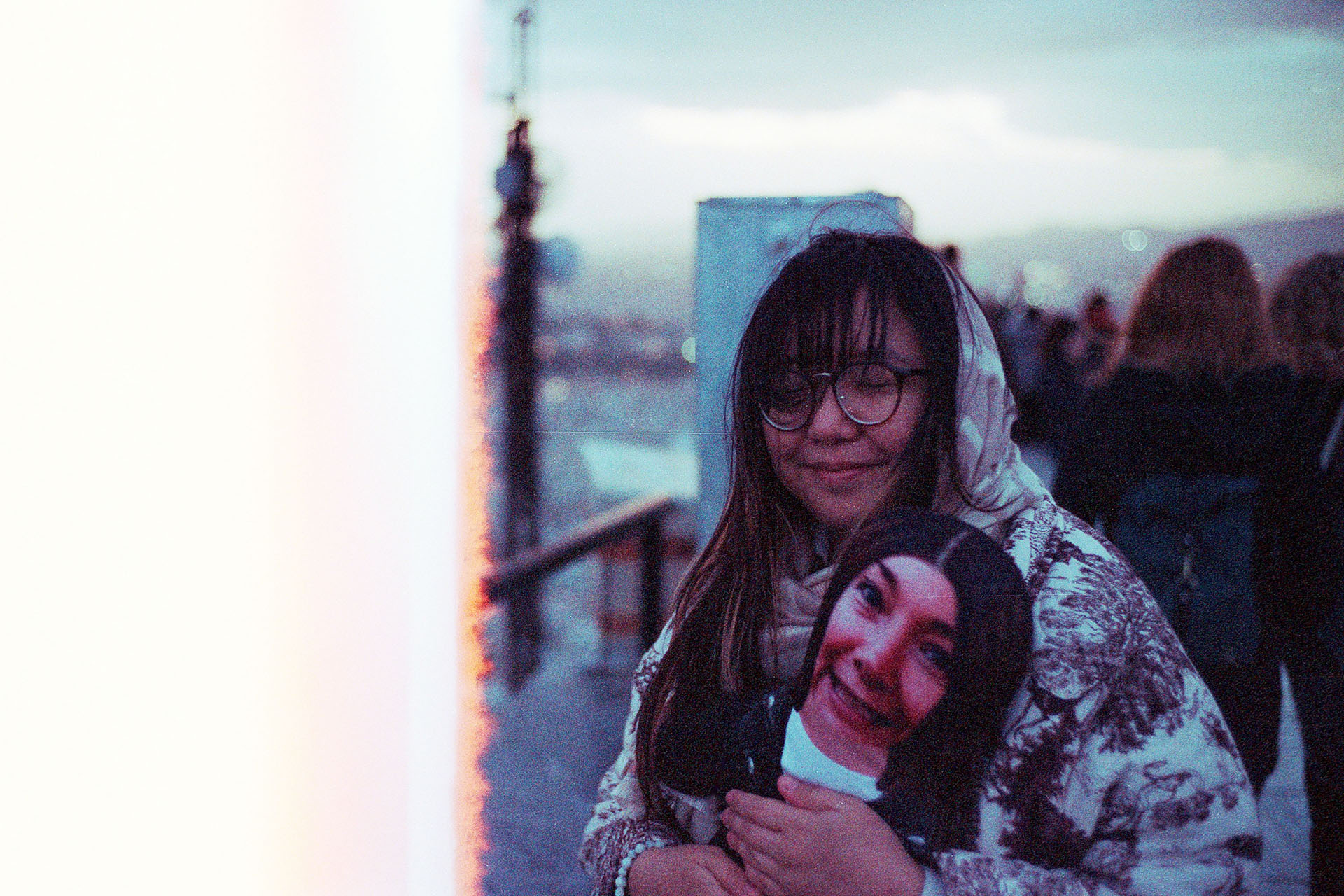
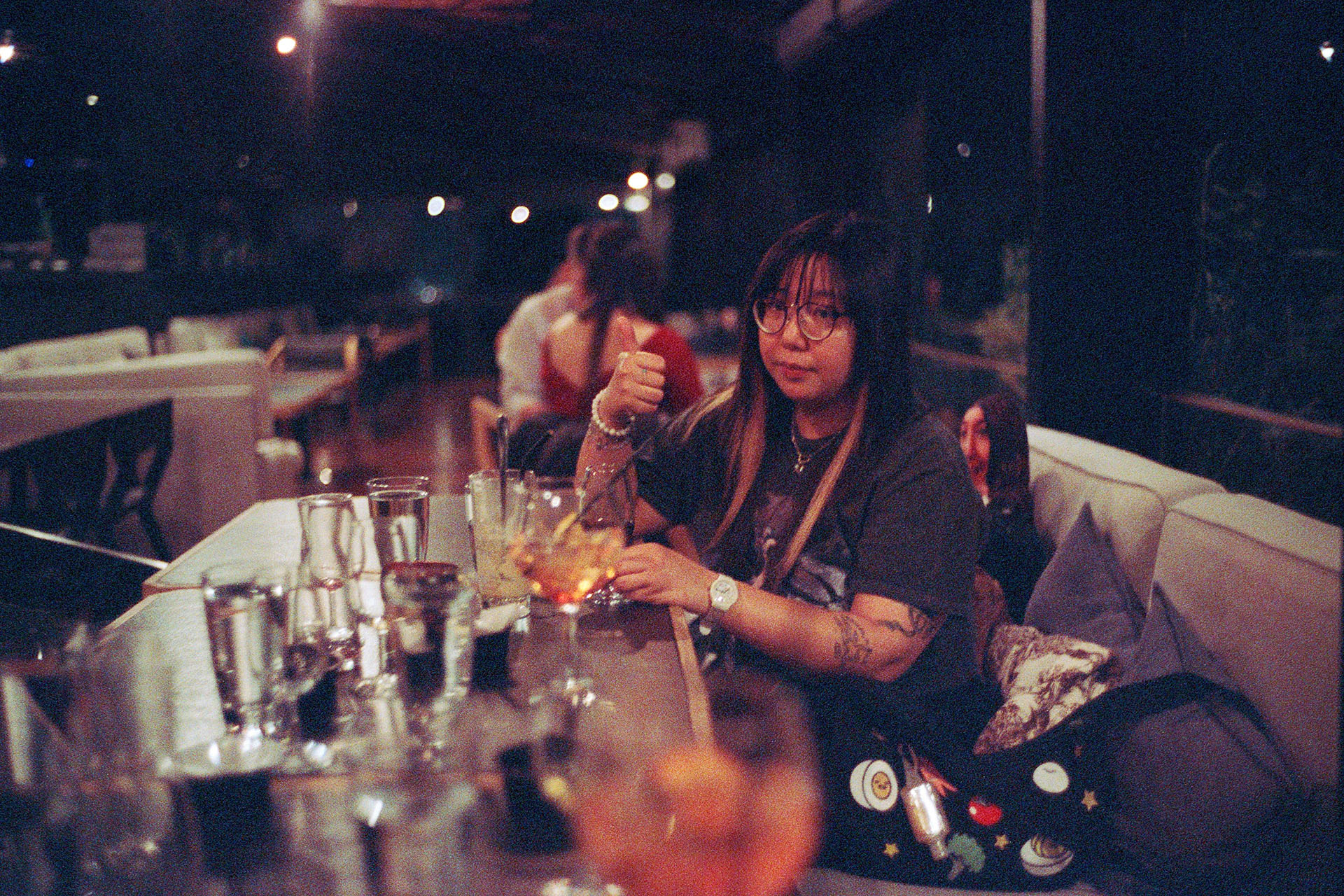
Along with the daylight speed film, I also shot a roll of Natura 1600 – a rare, discontinued film that was only available in Japan. I’ve got a bunch of the stuff that I’ve been saving for ‘special occasions’, and it is pretty heavily expired at this point. I used it when we headed up to the top of Mount Lykabettos, which is one of my favourite spots in all of Athens. This was the one roll that I ended up re-scanning myself, as a combination of the film’s expiry, high speed, and the resulting grain meant that the images needed a bit more individualised attention to get the most out of them – at least for the look I wanted. No dirty borders with my scans sadly.




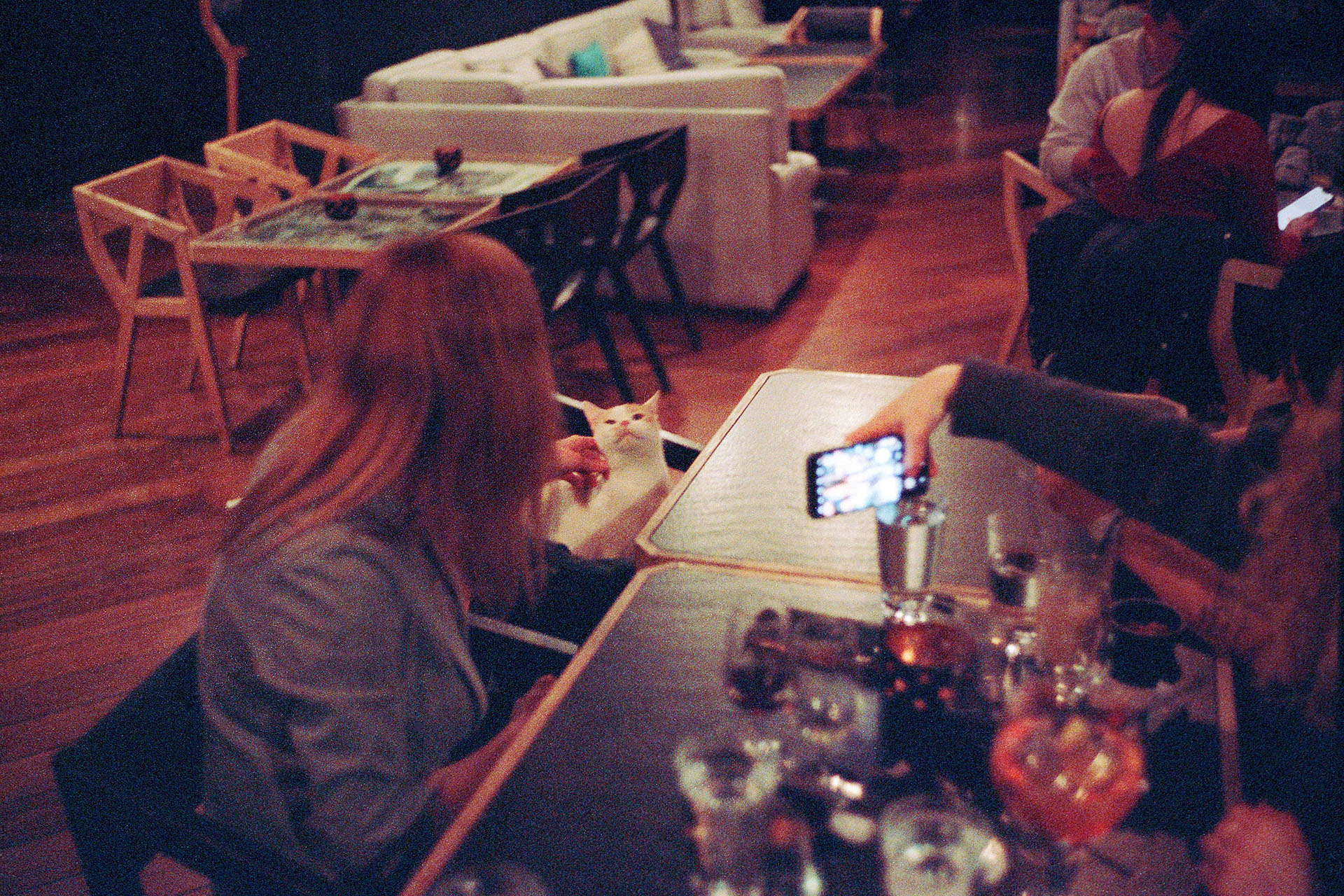


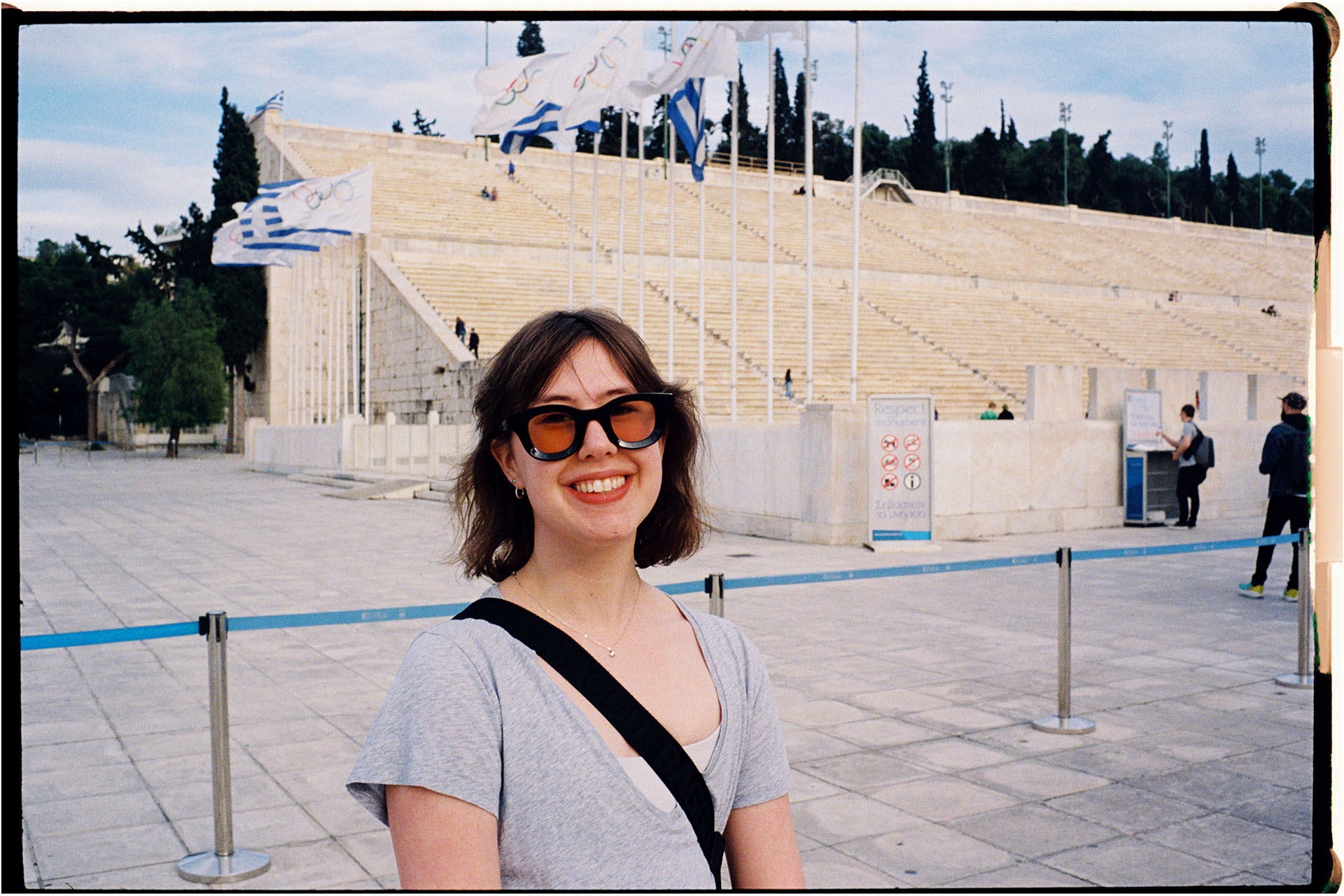
I am really happy with the pictures I got back from the M6, and kind of surprised just how many of them are not only usable – but shots I genuinely like. Shooting film had begun to feel incredibly risky, expensive, and often thankless – largely because I was approaching it the same way I always had, as someone who shot it all the time, and was trying to economise to allow for that. At this stage, I see the value in paying a bit extra for fresh film, shooting more deliberately, and getting a lab to do some of the grunt work.














I’ll be back.
